
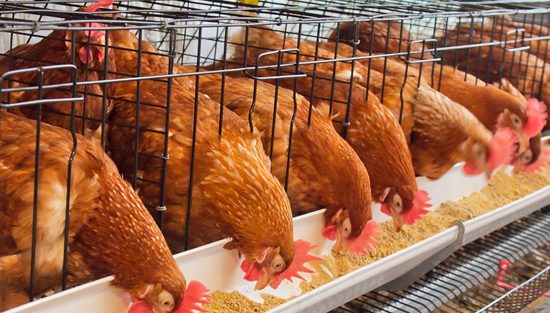
How to Reduce Feed Wastage When Using Poultry Cages
Learn how to reduce feed wastage when using poultry cages. Discover practical poultry feeding, feeder management, storage, and cage management tips from Aaron Vet Farms Ltd.
Poultry cages are an excellent way to improve bird management, maximize available space, and make feeding more organized. However, even with a well-designed cage system, feed wastage in poultry farming can significantly reduce profits. Feed is one of the largest expenses in commercial poultry production, so preventing unnecessary losses is essential for every farmer.
When chickens spill feed, scratch it onto the floor, or consume contaminated feed, farmers lose money while birds may also receive an unbalanced diet. Fortunately, proper cage management, suitable feeding equipment, and good poultry management practices can greatly reduce feed wastage.
Why Is Reducing Poultry Feed Wastage Important?
Feed represents a major portion of the cost of raising layers and broilers. Even small daily losses can become substantial over several months, especially on large poultry farms.
Excessive feed wastage can:
Increase poultry production costs.
Reduce farm profitability.
Attract rodents and other pests.
Cause hygiene problems around the cages.
Increase the amount of manure and waste around the poultry house.
Make accurate feed consumption calculations difficult.
Lead to unnecessary expenditure on poultry feed.
Effective poultry feed management therefore plays an important role in profitable poultry farming.
1. Use Properly Designed Poultry Feeders
One of the most effective ways to prevent feed wastage is using feeders that are appropriate for your cage system and the age and size of your birds.
Feeders should allow chickens to access feed comfortably without encouraging them to scratch, toss, or spill it. The feeder should also be securely attached to the cage so that birds cannot easily move or overturn it.
For commercial layer cages, farmers should choose feeding systems designed specifically for cage production. Properly installed feeding troughs can significantly reduce unnecessary feed loss.
2. Avoid Overfilling the Feed Trough
A common mistake among poultry farmers is filling feeders too much. While it may seem convenient to provide plenty of feed at once, excessive feed in the trough gives chickens more opportunity to scatter it.
Instead, provide the recommended quantity according to the birds’ age, production stage, and feeding program.
Maintaining an appropriate feed level helps birds eat efficiently while reducing the amount they can throw out of the feeder.
3. Maintain the Correct Feeder Height
The height of the feeder is another important factor in reducing feed wastage in poultry cages.
If the feeder is positioned too low, birds may scratch or throw feed out of the trough. If it is too high, birds may struggle to reach the feed and may knock it out while trying to eat.
Adjust the feeder so that chickens can comfortably access the feed without standing awkwardly or stretching excessively.
Regularly check feeder height as birds grow.
4. Use Good-Quality Poultry Feed
Feed quality can also influence wastage. Poorly formulated or excessively dusty feed may encourage chickens to sort through the feed, leaving some ingredients behind.
Good-quality poultry feed should have the appropriate nutrient balance and physical form for the birds being raised.
Farmers should purchase feed from reliable suppliers and store it correctly to protect it from moisture, contamination, and pests.
At Aaron Vet Farms Ltd, farmers can seek professional guidance on poultry nutrition, feeding programs, and appropriate farm management practices.
5. Choose the Right Feed Form
The physical form of poultry feed can affect how much is wasted. Depending on the type and age of birds, mash, crumbs, or pellets may be used.
Pelleted feed, for example, can reduce selective feeding and may reduce the amount of fine particles lost from the feeder. However, the appropriate feed form depends on the production system and nutritional requirements of the birds.
Farmers should consult a poultry nutrition professional before changing feed types.
6. Inspect Feeders Regularly
Poultry feeders should be inspected frequently for damage, loose fittings, cracks, or holes.
A damaged feeder can cause feed to fall onto the ground or through the cage system. Even a small leak can result in considerable losses when it continues every day.
Make feeder inspection part of the daily poultry-house routine. Repair or replace damaged equipment as soon as possible.
7. Prevent Birds From Scratching Feed Out of the Trough
Chickens naturally scratch and peck, but excessive scratching around feeders can cause considerable feed loss.
Proper feeder design and positioning can reduce this behavior. Avoid placing too much feed in the trough and ensure the feeder is positioned at a suitable height.
Farmers should also avoid sudden changes in feeding routines that can cause birds to become excessively aggressive around the feeder.
8. Store Poultry Feed Properly
Feed wastage does not only happen inside the poultry cage. Poor storage can also cause significant losses.
Store poultry feed in a clean, dry, well-ventilated area. Keep feed bags away from damp floors and walls, and protect them from rodents, insects, and other pests.
Use the first-in, first-out (FIFO) principle so older feed is used before newer supplies.
Proper storage helps maintain feed quality and prevents farmers from losing money through spoilage.
9. Monitor Daily Feed Consumption
Keeping accurate records is essential for effective poultry farm management.
Farmers should record how much feed is provided and monitor how much the birds consume. Unexpected increases in feed consumption or wastage should be investigated.
If birds are suddenly wasting more feed, check:
Feeder condition.
Feeder height.
Feed quality.
Bird health.
Stocking density.
Feeding schedule.
Rodent activity.
Changes in environmental conditions.
Good records help farmers identify problems early.
10. Maintain Proper Bird Health
Healthy chickens generally utilize feed more efficiently than sick or stressed birds.
Disease, parasites, heat stress, poor ventilation, and overcrowding can negatively affect feeding behavior and production performance.
Farmers should follow appropriate vaccination programs, maintain good biosecurity, provide clean drinking water, and monitor birds regularly.
A healthy flock is an important foundation for efficient poultry feed utilization.
11. Reduce Stress and Overcrowding
Overcrowding can cause competition around feeders. Dominant birds may prevent weaker birds from feeding properly, while aggressive competition can increase feed scattering.
Ensure that the cage system provides adequate space and sufficient access to feeding points for the number of birds housed.
Proper stocking density contributes to better flock welfare, feed utilization, and egg production.
12. Work With Poultry Experts
Reducing feed wastage is not simply about giving birds less feed. The goal is to ensure that the available feed is efficiently consumed and converted into healthy growth or egg production.
Professional advice can help farmers select suitable cages, feeders, feed formulations, and management practices for their specific poultry enterprise.
Aaron Vet Farms Ltd supports poultry farmers with practical knowledge and solutions aimed at improving poultry health, nutrition, management, and farm profitability.
Conclusion
Reducing feed wastage when using poultry cages is an important step toward improving poultry farm profitability. Farmers can minimize losses by using properly designed feeders, maintaining the correct feeder height, avoiding overfilling, providing quality feed, monitoring consumption, storing feed correctly, and maintaining healthy birds.
Remember that small daily feed losses can become large financial losses over time. By paying attention to feeding equipment and management practices, poultry farmers can make better use of every kilogram of feed purchased.
For farmers looking to improve poultry production in Uganda, efficient feed management should be an essential part of the overall farm strategy. With proper cage management, good nutrition, and regular veterinary guidance, farmers can reduce waste and achieve better poultry production results.