
Common Feeder and Drinker Problems in Poultry Farming and How to Solve Them
Aaron Vet Farms Ltd | Poultry Management
Introduction
Feeders and drinkers are essential equipment in every successful poultry farm. Whether you are raising broilers, layers, Kuroilers, Sasso chickens, or indigenous birds, providing adequate feed and clean drinking water is necessary for healthy growth, good egg production, and improved profitability.
However, many poultry farmers experience problems such as feed wastage, blocked drinkers, leaking water systems, overcrowding around feeders, and contaminated drinking water. These challenges can increase production costs, slow bird growth, encourage disease outbreaks, and reduce farm profits.
Understanding the common feeder and drinker problems in poultry farming and how to solve them helps farmers improve feed efficiency, maintain good hygiene, and achieve better results.
At Aaron Vet Farms Ltd, we encourage poultry farmers to invest in appropriate feeding and watering equipment, practise good management, and maintain regular equipment inspections.
1. Excessive Feed Wastage
Feed wastage is one of the most common problems in poultry farming. Chickens naturally scratch, peck, and scatter feed, but poorly designed feeders and incorrect feeding practices can make the problem worse.
Causes of feed wastage
– Feeders are filled beyond the recommended level.
– Feeders are too low or too high for the birds.
– Feed troughs are too shallow or poorly designed.
– Too many birds compete for limited feeding space.
– Feeders are damaged, unstable, or easily tipped over.
How to solve feed wastage
Use feeders designed for the age and size of your birds. Adjust their height so that chickens can eat comfortably without scratching feed onto the floor. Avoid filling feeders to the brim; generally, filling them to around one-third to one-half of their capacity helps reduce spillage, depending on the feeder design.
Choose stable feeders that are difficult to overturn and distribute them evenly throughout the poultry house.
SEO keyword: How to reduce feed wastage in poultry farming.
2. Blocked Poultry Drinkers
Blocked drinkers prevent chickens from accessing enough water, especially during hot weather when water requirements increase. Inadequate water intake can reduce feed consumption, slow growth, and affect egg production.
Common causes
– Dirt, feathers, and litter entering the drinking system.
– Mineral deposits accumulating inside pipes and nipples.
– Poor-quality water containing suspended particles.
– Inadequate cleaning and maintenance.
– Damaged or poorly installed drinker lines.
How to solve blocked drinkers
Inspect drinkers daily and remove visible dirt or obstructions. Flush drinking lines according to the manufacturer’s instructions and use suitable filters where necessary. For nipple drinkers, check that each nipple releases water correctly.
Clean and disinfect water systems using poultry-safe products at the correct concentration. Always flush systems as directed on the product label before returning them to normal use.
Farmers using borehole or well water should consider periodic water-quality testing to identify excessive minerals or contamination.
3. Leaking Poultry Drinkers
Leaking drinkers create wet litter, increase water wastage, and raise humidity inside the poultry house. Wet litter can contribute to footpad dermatitis, ammonia accumulation, and conditions that encourage harmful microorganisms.
Causes of leaking
– Worn-out seals and damaged nipples.
– Loose pipe connections.
– Excessive water pressure.
– Incorrect installation of automatic drinkers.
– Cracked plastic drinkers or faulty valves.
Solutions
Check pipes, joints, valves, and drinkers regularly for leaks. Replace damaged parts immediately rather than relying on temporary repairs.
For nipple drinking systems, maintain the water pressure recommended by the manufacturer and adjust the drinker height as birds grow. With bell drinkers, ensure they are level and that the water supply mechanism is functioning properly.
Remove wet litter promptly, repair the source of the leak, and improve ventilation to help the affected area dry.
4. Overcrowding Around Feeders and Drinkers
When too many birds gather around a small number of feeders or drinkers, weaker chickens may struggle to access feed and water. This can lead to uneven growth, stress, competition, and poor flock performance.
Causes
– Too few feeders or drinkers for the flock.
– Uneven distribution of equipment.
– Poor poultry-house layout.
– Equipment that is unsuitable for the birds’ age or size.
How to solve overcrowding
Provide sufficient feeder and drinker space according to the birds’ age, breed, body size, and the equipment manufacturer’s recommendations.
Spread equipment evenly across the poultry house so that birds do not need to travel long distances to find food or water. Observe flock behaviour during feeding and watering periods to identify areas where competition is excessive.
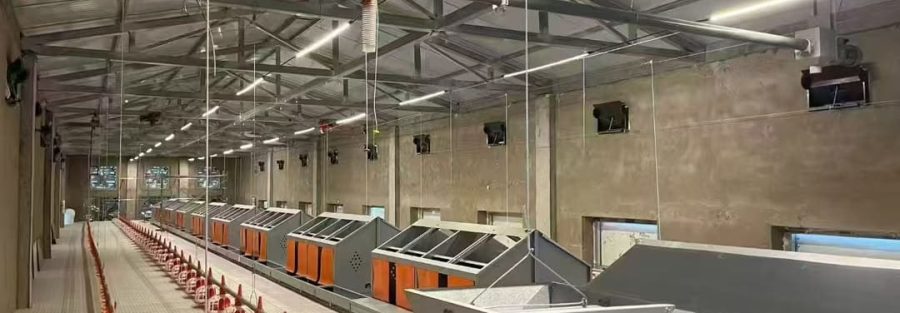
For large poultry farms, properly installed automatic feeding and drinking systems can help distribute resources more consistently.
5. Dirty and Contaminated Drinking Water
Clean drinking water is essential for poultry health. Contaminated water may carry harmful microorganisms, organic matter, or chemicals that affect bird performance and increase disease risks.
Common causes
– Water containers are not cleaned regularly.
– Drinking water comes from contaminated sources.
– Algae and biofilm accumulate in pipes and tanks.
– Rodents, wild birds, and insects access water storage areas.
– Water tanks are left uncovered.
Prevention and management
Clean drinkers frequently and establish a routine for inspecting water tanks and pipelines. Keep storage tanks covered and protect water sources from animal waste, chemicals, and other contaminants.
Where possible, test water periodically for microbiological quality, pH, and relevant minerals. Use only approved water-treatment products at the recommended dosage.
Remember that water can look clear and still contain harmful microorganisms. If birds suddenly reduce water consumption or show signs of illness, consult a qualified veterinary professional.
6. Incorrect Feeder and Drinker Height
Incorrect equipment height can make it difficult for chickens to eat and drink comfortably. It may also cause feed spillage, water leakage, and uneven access across the flock.
How to solve the problem
Adjust equipment as the birds grow.
– Young chicks: Use shallow chick feeders and accessible drinkers that allow easy access without drowning risks.
– Growing birds: Raise feeders and drinkers gradually to match their increasing height.
– Adult birds: Position equipment according to the manufacturer’s specifications and the birds’ natural feeding and drinking posture.
For many conventional systems, the feeder lip is adjusted around the birds’ back height, while drinkers are positioned to allow comfortable drinking without excessive splashing. Exact settings vary by equipment type.
Inspect the flock after adjustments to confirm that all birds can reach the equipment easily.
7. Feeders and Drinkers Are Too Few or Poorly Distributed
A poultry house may have enough total equipment capacity but still experience feeding and watering problems if the units are poorly positioned.
Birds at one end of the house may have easy access, while others struggle to reach food and water.
Solutions
Calculate equipment requirements before introducing a new flock. Follow recommended bird-to-feeder and bird-to-drinker ratios for your specific system.
Arrange equipment to provide even access, avoid obstructing movement, and ensure that weaker birds are not consistently excluded. Check the manufacturer’s guidance when choosing equipment for broilers, layers, or other poultry breeds.
8. Poor Maintenance of Automatic Feeding and Drinking Systems
Automatic systems can save labour and improve consistency, but mechanical failures can quickly affect an entire flock.
Common problems include faulty sensors, broken motors, blocked pipes, empty feed hoppers, and power interruptions.
How to prevent breakdowns
1. Inspect equipment before introducing a new flock.
2. Clean and service machinery according to the manufacturer’s schedule.
3. Check water pressure and flow rates daily.
4. Keep essential spare parts available.
5. Provide a backup water supply and an emergency feeding plan.
6. Train farm workers to recognise and report equipment faults.
Automatic equipment should never be left unchecked simply because it operates without constant manual handling.
9. Poor Feeder and Drinker Hygiene
Dirty equipment can encourage the growth of bacteria, fungi, and other unwanted microorganisms. Feed contaminated by moisture or droppings may also lose quality and become unsafe for birds.
Effective hygiene practices
– Remove wet, mouldy, or contaminated feed immediately.
– Clean drinkers and feeders on a regular schedule.
– Keep feed storage areas dry, clean, and protected from rodents.
– Disinfect equipment between flocks using suitable products.
– Follow proper cleaning and drying procedures before restocking the poultry house.
Never mix cleaning chemicals unless the product instructions explicitly permit it. Some combinations can produce dangerous gases or harmful residues.
10. Birds Refusing to Eat or Drink
A sudden reduction in feed or water consumption may indicate equipment problems, poor feed quality, environmental stress, or disease.
What farmers should do
First, confirm that feeders contain fresh feed and that all drinkers are working. Check water temperature, feed freshness, poultry-house ventilation, and environmental conditions.
Observe the birds for additional warning signs, including lethargy, diarrhoea, coughing, abnormal droppings, or unusual mortality.
If the problem persists or several birds become ill, seek veterinary advice promptly. Do not assume that every reduction in consumption is caused by faulty equipment.
Best Practices for Managing Poultry Feeders and Drinkers
Successful poultry equipment management requires consistent daily attention.
– Inspect all feeders and drinkers every morning and evening.
– Record unusual changes in feed and water consumption.
– Clean and maintain equipment according to a written schedule.
– Select equipment suitable for the flock size and production system.
– Ensure constant access to safe drinking water.
– Repair damaged equipment immediately.
– Train workers in hygiene, equipment adjustment, and early problem detection.
Farmers should also compare feed intake, water intake, body-weight gain, and egg production against appropriate breed targets. These records can help identify problems before they cause major losses.
Conclusion
Common feeder and drinker problems in poultry farming can significantly affect bird health, productivity, and profitability. Feed wastage, blocked drinkers, water leakage, overcrowding, contamination, and poor equipment maintenance are manageable when farmers identify their causes early and take appropriate action.
Investing in suitable poultry equipment, maintaining clean water systems, adjusting equipment correctly, and inspecting the poultry house daily can improve feed efficiency and help birds reach their production potential.
Aaron Vet Farms Ltd encourages poultry farmers to prioritise proper equipment selection, good hygiene, and professional veterinary support to build healthier and more productive poultry businesses.
Whether you are starting a small poultry project or managing a commercial farm, effective feeder and drinker management is an important step towards sustainable poultry farming.