
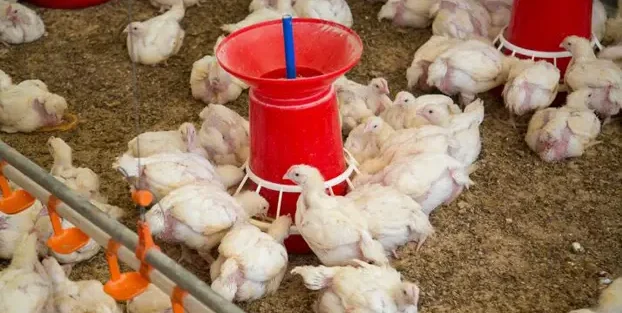
Common Poultry Watering Mistakes Every Farmer Should Avoid
Introduction
Clean water is one of the most important requirements for healthy and productive poultry. Whether you are raising broilers, layers, Kuroilers, Sasso chickens, or indigenous birds, providing safe drinking water is essential for proper growth, egg production, digestion, and disease prevention. However, many poultry farmers concentrate on feeding and vaccination while overlooking common poultry watering mistakes that can reduce farm profitability.
At Aaron Vet Farms Ltd, we encourage poultry farmers to adopt proper watering practices to improve flock health, reduce unnecessary losses, and achieve better production results. Understanding how to manage poultry drinking water, maintain drinkers, and prevent water contamination can make a significant difference on your farm.
1. Providing Dirty or Contaminated Drinking Water
One of the biggest mistakes in poultry farming is allowing birds to drink dirty water. Water can become contaminated by droppings, dust, feed particles, insects, algae, and microorganisms when drinkers are poorly maintained.
Contaminated water may contribute to the spread of diseases and digestive problems, especially when birds share dirty drinking points.
How to avoid this mistake:
Clean poultry drinkers regularly using appropriate cleaning methods.
Provide fresh, safe drinking water every day.
Prevent droppings and litter from entering drinking containers.
Store water in clean, covered containers.
Inspect water sources and storage tanks for contamination.
Farmers should also monitor water quality when using wells, boreholes, or other untreated sources. Where necessary, have the water tested and seek professional advice on suitable treatment.
2. Using Too Few Poultry Drinkers
Another common mistake is providing insufficient drinkers for the number of birds in the poultry house. When drinkers are limited, weaker or smaller birds may struggle to access water, particularly during hot weather.
Competition around drinking points can cause uneven growth, dehydration, and poor flock performance.
How to avoid this mistake:
Provide enough drinkers according to the birds’ age, size, stocking density, and the equipment manufacturer’s recommendations. Distribute them evenly throughout the poultry house so that birds can access water without excessive crowding.
For larger poultry farms, consider automatic poultry watering systems that provide consistent access to drinking water when correctly installed and maintained.
3. Setting Drinkers at the Wrong Height
Drinkers positioned too high or too low can make drinking difficult. Young chicks may struggle to reach elevated drinkers, while drinkers placed too low can become contaminated with litter and droppings.
Incorrect drinker height can also increase water spillage, resulting in wet litter and poor hygiene.
How to avoid this mistake:
Adjust drinker height as birds grow. For many poultry systems, the drinking point should be approximately level with the birds’ backs or at the appropriate head position recommended for the equipment. For nipple drinkers, follow the manufacturer’s guidance on height and access.
Check drinker height daily, especially during the brooding period when chicks grow rapidly.
4. Failing to Provide Enough Water During Hot Weather
High temperatures increase water consumption in poultry. Farmers who fail to increase water availability during hot weather risk dehydration, heat stress, reduced feed intake, and lower egg production.
Layers may produce fewer eggs or experience poorer eggshell quality when heat stress affects feed intake and calcium consumption. Broilers may also grow more slowly when they cannot drink enough water.
How to avoid this mistake:
Check water availability more frequently during hot periods.
Provide sufficient drinkers and maintain adequate water flow.
Keep water storage tanks protected from direct sunlight where practical.
Improve ventilation and reduce heat buildup in the poultry house.
Monitor birds for panting, lethargy, and unusual crowding around drinkers.
Water demand varies with age, body weight, feed intake, temperature, and production stage. Farmers should therefore monitor actual consumption rather than rely on a fixed daily quantity.
5. Ignoring Water Temperature
Water that becomes excessively warm in hot weather may discourage birds from drinking enough. Water temperature can rise when storage tanks and pipes are exposed to direct sunlight.
Although birds can tolerate normal variations in drinking water temperature, maintaining a clean and reasonably cool supply during hot conditions supports better water intake.
How to avoid this mistake:
Keep water tanks shaded where possible, insulate exposed pipes when appropriate, and inspect water systems during the hottest hours. Refill or flush systems as needed using safe, clean water and in accordance with the equipment manufacturer’s instructions.
Avoid sudden, unnecessary temperature changes and never allow water to become stagnant in containers.
6. Neglecting Poultry Drinker Cleaning
Some farmers refill drinkers without removing accumulated slime, sediment, and other deposits. Over time, these materials can encourage microbial growth and interfere with the operation of watering equipment.
Automatic drinkers and nipple systems also require regular inspection because mineral deposits and biofilms may obstruct water flow.
How to avoid this mistake:
Establish a consistent cleaning schedule based on the watering system, water quality, and farm conditions. Remove visible dirt, use suitable cleaning products according to their labels, and rinse when required.
For automatic systems, follow the manufacturer’s instructions for flushing pipelines and cleaning tanks. Never mix disinfectants or cleaning chemicals unless the product instructions explicitly permit it.
7. Using Faulty or Poor-Quality Watering Equipment
Leaking drinkers, blocked nipples, damaged pipes, and malfunctioning automatic watering systems can cause serious problems. A blocked nipple may prevent birds from drinking, while a leaking drinker can create wet litter and increase the risk of footpad problems and other hygiene-related issues.
How to avoid this mistake:
Inspect all watering equipment daily. Check for leaks, blockages, loose connections, damaged valves, and uneven water pressure. Replace worn-out components promptly.
When purchasing poultry drinkers, consider durability, ease of cleaning, bird age, water efficiency, and suitability for your production system.
Aaron Vet Farms Ltd encourages farmers to select appropriate poultry watering equipment and maintain it correctly to reduce water wastage and improve flock management.
8. Failing to Monitor Water Consumption
Water consumption is an important indicator of poultry health. A sudden increase or decrease in water intake may indicate problems with temperature, feed, water supply, equipment, or bird health.
Farmers who never measure water consumption may fail to notice these warning signs until egg production declines or birds begin showing symptoms.
How to avoid this mistake:
Record daily water consumption and compare it with previous days, taking account of bird age, flock size, weather, and production stage.
Investigate sudden changes promptly. Check the water supply and drinkers first, then assess feed intake, environmental conditions, and the birds themselves. Consult a qualified veterinary professional if illness is suspected.
9. Incorrectly Mixing Vitamins, Medicines, or Supplements in Water
Water is commonly used to administer certain veterinary medicines, vitamins, electrolytes, and other poultry products. However, adding unsuitable products, using incorrect doses, or mixing incompatible substances can reduce effectiveness and potentially harm birds.
Some products may also affect water palatability, making birds drink less.
How to avoid this mistake:
Always follow the product label and your veterinarian’s instructions. Use the correct dosage, prepare solutions as directed, and check compatibility before mixing products. Observe withdrawal periods for veterinary medicines where applicable.
Do not routinely medicate healthy birds without a clear veterinary reason. Clean watering systems appropriately after treatment, following product guidance.
10. Allowing Water Spillage to Wet the Litter
Wet litter is a common consequence of leaking drinkers, excessive water pressure, incorrect drinker height, or poor equipment management. Damp conditions can increase ammonia production, encourage harmful microorganisms, and contribute to footpad dermatitis and other welfare problems.
How to avoid this mistake:
Adjust drinker height and pressure according to the equipment specifications. Repair leaks immediately, remove wet litter, and maintain proper ventilation. Check the area around drinkers frequently, especially during brooding and periods of heavy water use.
Dry litter supports a cleaner poultry house and helps improve bird comfort.
11. Failing to Prepare Water Systems Before Introducing Chicks
Day-old chicks need immediate access to suitable drinking water after placement. A poorly prepared watering system can delay drinking and increase the risk of dehydration during the critical brooding period.
How to avoid this mistake:
Before chicks arrive, clean and inspect the drinkers, test water flow, and ensure the supply is safe and accessible. Set up equipment suitable for small chicks and show them where the drinking points are located.
During the first days, observe the chicks closely to confirm that they are drinking and behaving normally. Any chick showing weakness, unusual lethargy, or signs of dehydration should be assessed promptly.
12. Ignoring Water Supply Interruptions
Water shortages can happen because of power failures, pump breakdowns, empty storage tanks, blocked pipes, or interruptions to the main supply. Even a short interruption can affect poultry, particularly during hot weather.
How to avoid this mistake:
Maintain adequate water storage, inspect pumps and pipelines regularly, and establish a backup plan for emergencies. Keep alternative clean drinking containers available where appropriate.
Check the system before leaving the farm unattended and ensure someone can respond quickly if the water supply fails.
Conclusion
Avoiding common poultry watering mistakes is essential for successful poultry farming in Uganda and beyond. Clean water, sufficient drinkers, correct equipment height, reliable water flow, and regular monitoring all contribute to healthier birds and better production.
Whether you raise broilers, layers, Kuroilers, Sasso chickens, or indigenous poultry, never underestimate the importance of proper water management. A well-maintained watering system helps reduce water wastage, supports feed intake, improves bird welfare, and protects your investment.
Aaron Vet Farms Ltd is committed to supporting poultry farmers with practical knowledge on poultry health, farm management, feeding, watering equipment, and veterinary care. By improving your daily watering practices, you can take an important step toward a healthier and more profitable poultry enterprise.
For persistent water consumption changes, suspected disease, or questions about suitable poultry watering equipment, consult a qualified veterinary professional.
Frequently Asked Questions (FAQs)
1. How often should poultry drinkers be cleaned?
Poultry drinkers should be inspected daily and cleaned regularly according to how quickly they become dirty. Automatic systems also need scheduled flushing and maintenance.
2. How much water do chickens need per day?
Water requirements vary according to age, body weight, temperature, feed intake, and production stage. Birds generally consume more water in hot weather, so farmers should monitor daily usage and ensure continuous access.
3. Which poultry watering system is best for farmers?
Bell drinkers, manual drinkers, and nipple watering systems can all work well. The best option depends on flock size, bird age, budget, water quality, and the farmer’s ability to maintain the equipment.
4. What are the signs that poultry are not getting enough water?
Possible signs include reduced feed intake, lethargy, panting during heat stress, reduced egg production, and poor growth. Check the water system immediately and seek veterinary advice when necessary.
5. Can dirty drinking water cause disease in poultry?
Yes. Contaminated water can transmit harmful microorganisms and contribute to disease problems. Providing safe water and maintaining clean drinkers are essential parts of poultry biosecurity.
About Aaron Vet Farms Ltd
Aaron Vet Farms Ltd supports poultry farmers through practical farming information, poultry health guidance, and advice on improving farm productivity. Good water management, proper nutrition, biosecurity, and veterinary support are important foundations for a successful poultry enterprise.