: Monday - Sunday(8am - 6pm)
Chat with Us: +256 760 258 658
Aaron Vet Farms LimitedAaron Vet Farms LimitedAaron Vet Farms Limited
Wakiso, Uganda

Tag: Day-old chicks

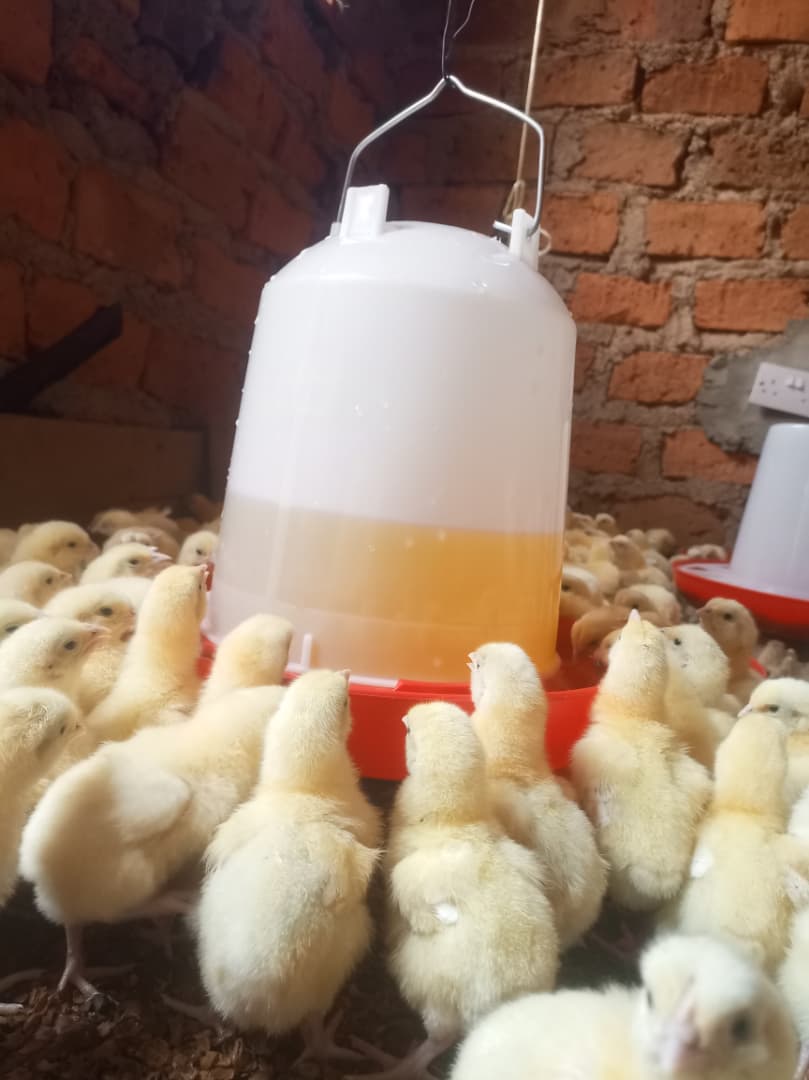
How Long Should You Brood Day-Old Chicks?

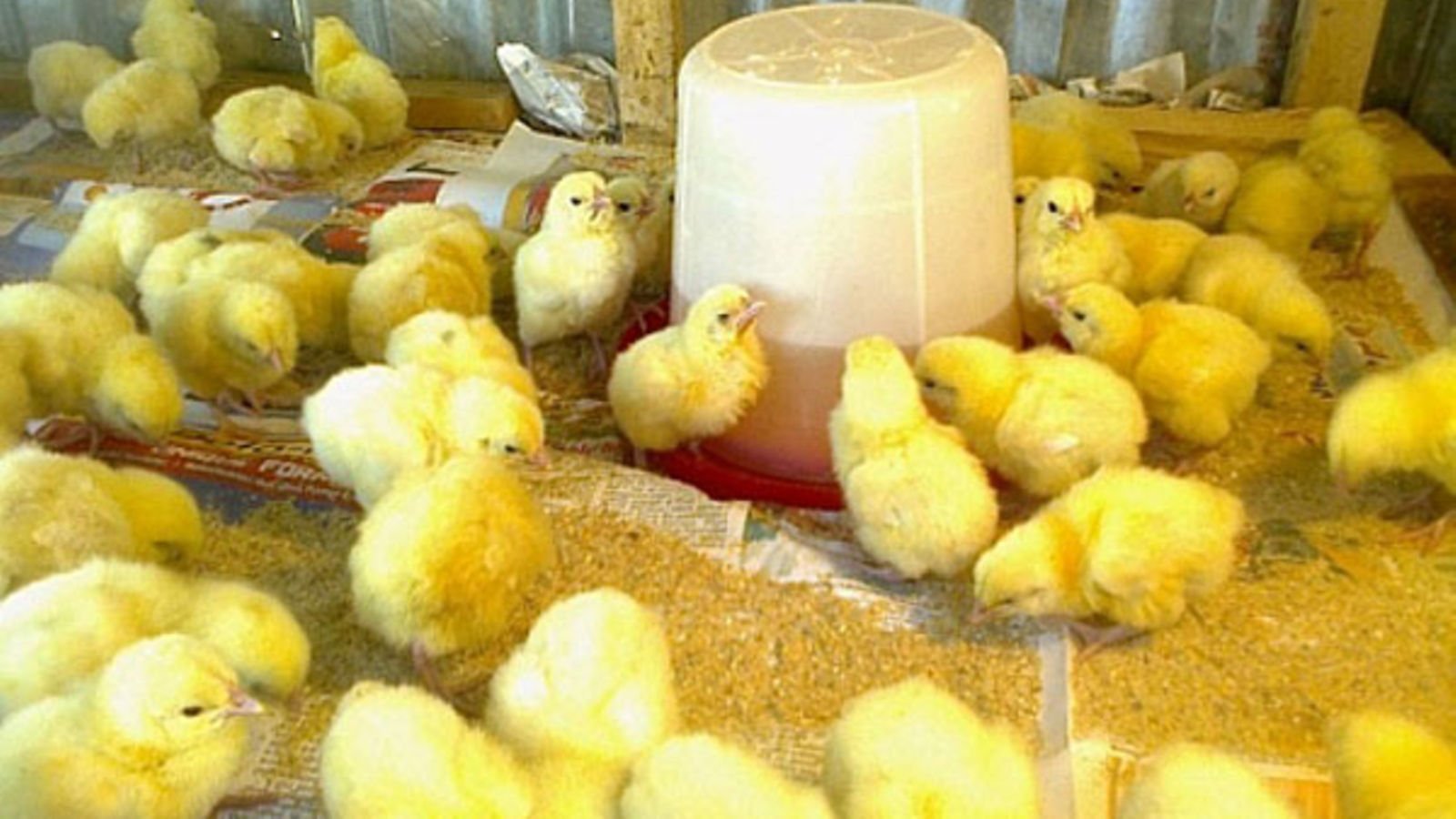
How Long Should You Brood Day-Old Chicks? A Complete Guide for Poultry Farmers in Uganda Raising healthy chickens begins with proper brooding. For poultry farmers in Uganda, understanding how long to brood day-old chicks is essential for improving chick survival, promoting fast growth, reducing feed wastage, and increasing farm profitability. Whether you are raising broilers, […]
Read More

Different Feed Types and Their Importance in Poultry Farming

Different Feed Types and Their Importance in Poultry Farming Poultry feeding is one of the most important factors determining the success of a poultry farming business. Whether you keep broilers for meat, layers for egg production, or dual-purpose chickens, providing the right feed at the right stage of growth helps improve productivity, maintain good health, […]
Read More

How to Maintain Profits and Minimize Losses in Poultry Farming

How to Maintain Profits and Minimize Losses in Poultry Farming Poultry farming is one of the most promising agribusiness opportunities in Uganda. With increasing demand for eggs, chicken meat, and quality poultry products, farmers can build profitable businesses by adopting proper management practices. However, high feed costs, poultry diseases, poor-quality chicks, low egg production, and […]
Read More

Day-Old Chick Brooding Equipment Every Poultry Farmer Needs

Day-Old Chick Brooding Equipment Every Poultry Farmer Needs Successful poultry farming starts with proper care during the first few weeks of a chick’s life. Day-old chicks are highly sensitive to temperature, hygiene, feeding, drinking, and their general environment. Without the right brooding equipment, farmers can experience poor growth, stress, disease outbreaks, high mortality, and financial […]
Read More

How to Maintain Uniform Growth in Poultry Farming

How to Maintain Uniform Growth in Poultry Farming Uniform growth is one of the most important goals in successful poultry farming. Whether you are keeping broilers, layers, Kuroiler, Sasso, or other improved chicken breeds, having birds that grow at a similar rate makes feeding, vaccination, health management, and marketing much easier. Uneven growth, on the […]
Read More

Chicken Losing Balance, Trembling or Twisting Its Neck? Causes, Treatment and Prevention

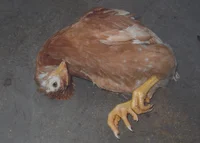
Chicken Losing Balance, Trembling or Twisting Its Neck? Causes, Treatment and Prevention If your chicken is losing balance, trembling, walking in circles, falling over, or twisting its neck, do not ignore these signs. They may indicate a neurological problem, nutritional deficiency, poisoning, infection, injury, or another serious health condition. Early identification and proper veterinary intervention […]
Read More

How to Maintain the Right Temperature for Day-Old Chicks

How to Maintain the Right Temperature for Day-Old Chicks Raising healthy poultry starts from the moment day-old chicks arrive at the farm. One of the most important factors during the first few weeks is maintaining the right brooding temperature for chicks. Young chicks cannot regulate their body temperature effectively, so they depend on the farmer […]
Read More

Why the First 7 Days Are Critical for Day-Old Chicks

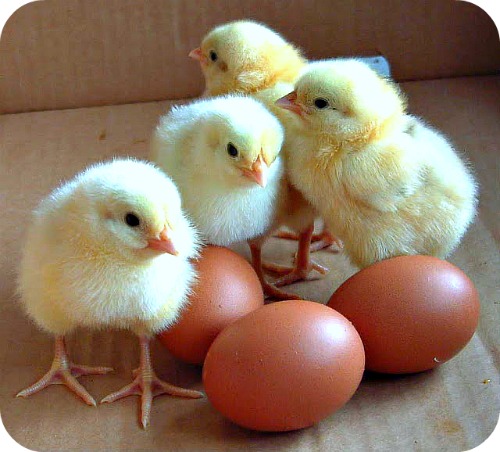
Why the First 7 Days Are Critical for Day-Old Chicks The first 7 days of a chick’s life are one of the most important periods in poultry farming. Whether you are raising broilers, layers, Kuroilers, Sasso, or other improved poultry breeds, how you manage your day-old chicks during the first week can strongly influence their […]
Read More

Common Brooding Problems in Day-Old Chicks and How to Solve Them

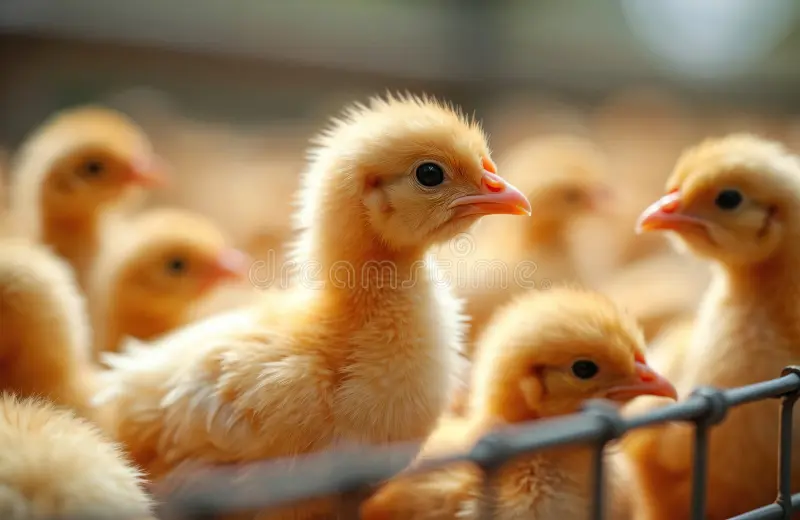
Common Brooding Problems in Day-Old Chicks and How to Solve Them Brooding is one of the most important stages in poultry farming because the first few weeks of a chick’s life can strongly influence its growth, health, feed efficiency and future productivity. Day-old chicks are highly sensitive to changes in temperature, feeding, water quality, ventilation, […]
Read More