
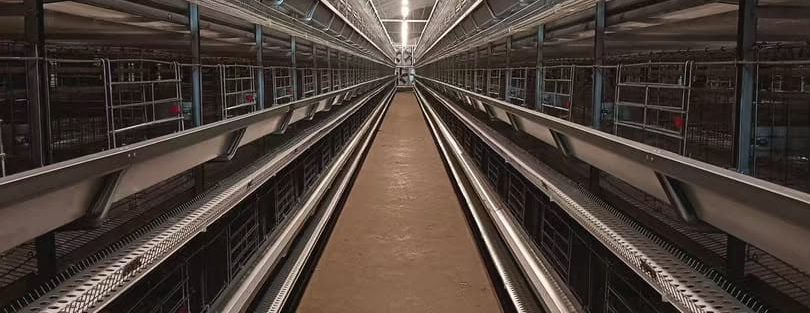
How to Clean and Disinfect Poultry Cages Properly: A Complete Guide for Farmers
Keeping poultry cages clean and properly disinfected is one of the most important practices for maintaining healthy and productive chickens. Dirty poultry cages can quickly become a breeding ground for bacteria, viruses, parasites, fungi, and other disease-causing organisms that can affect bird health and farm profitability.
For farmers using layer cages, broiler cages, or other poultry housing systems, regular poultry cage cleaning and disinfection should be part of the farm’s routine biosecurity program.
At Aaron Vet Farms Ltd, we help poultry farmers improve productivity through quality poultry equipment, farm management solutions, and practical knowledge.
Why Is Poultry Cage Cleaning Important?
Poultry cages accumulate manure, feathers, spilled feed, dust, and water. If these materials are not removed regularly, harmful microorganisms can multiply and spread throughout the poultry house.
Poor cage hygiene may contribute to problems such as:
Bacterial infections
Respiratory diseases
Coccidiosis
Salmonella infections
E. coli infections
Parasitic infestations
Increased fly and insect populations
Poor egg quality
Reduced chicken productivity
Higher mortality rates
Regular poultry cage sanitation helps create a cleaner environment and reduces the risk of disease transmission between birds.
Poultry Cage Cleaning vs. Disinfection
Cleaning and disinfection are related but different processes.
Cleaning involves physically removing manure, dust, feathers, spilled feed, and other organic materials from cages and equipment.
Disinfection involves applying an approved disinfectant to cleaned surfaces to destroy or reduce harmful microorganisms.
One important rule farmers should remember is:
Clean first, disinfect second.
Disinfectants may work poorly when surfaces are covered with manure, dirt, or organic matter. Therefore, proper cleaning must come before disinfection.
Step-by-Step Guide to Cleaning Poultry Cages
1. Remove the Birds When Possible
For deep cleaning, remove chickens from the cages and place them in a clean, safe area.
Routine cleaning can sometimes be performed while birds remain housed, but thorough cleaning and disinfection are easier when the poultry house is empty.
Avoid unnecessary stress or rough handling of birds during movement.
2. Remove Manure and Organic Waste
Start by removing accumulated manure from beneath and around the cages.
Clean:
Cage floors
Manure trays or belts
Dropping boards
Walkways
Feed troughs
Watering areas
Corners and hard-to-reach areas
Scrape off dried manure and remove feathers, litter, feed residues, and other debris.
3. Dry Cleaning
Before using water, sweep or brush away loose dust, feathers, and feed particles.
Pay particular attention to corners, cage joints, wires, ventilation areas, and equipment connections where dust can accumulate.
Dry cleaning reduces the amount of dirt that must later be washed away.
4. Wash the Poultry Cages
Use clean water and an appropriate poultry-house detergent or cleaning agent.
Wash cage surfaces thoroughly, including:
Cage wires
Feeders
Drinkers
Support structures
Manure collection equipment
Walls and floors
Doors and ventilation areas
Pressure washing can be useful for suitable poultry-house surfaces, but farmers should avoid damaging electrical equipment, motors, control systems, and other sensitive components.
Allow the equipment and surfaces to drain properly.
5. Apply an Appropriate Disinfectant
After washing, select a disinfectant suitable for poultry housing and use it according to the manufacturer’s instructions.
Do not simply assume that using a stronger concentration will provide better protection. Incorrect concentrations can be ineffective, damage equipment, or create unnecessary risks.
Follow the product label carefully regarding:
Dilution rate
Contact time
Application method
Safety precautions
Required protective equipment
Re-entry instructions
Apply the disinfectant evenly to cleaned surfaces.
6. Allow the Poultry House to Dry
Drying is an important part of poultry-house hygiene.
Allow cages and other surfaces to dry completely before birds are returned, where practical. Excess moisture can encourage microbial growth and create an uncomfortable environment for chickens.
Good ventilation can help speed up drying.
7. Clean and Disinfect Feeding and Drinking Equipment
Feeders and drinkers require special attention because contaminated equipment can directly expose chickens to pathogens.
Clean feeders regularly and remove old or mouldy feed.
Drinkers should be washed frequently to prevent biofilm and microbial buildup. Water lines should also be managed according to the manufacturer’s recommendations and farm veterinarian’s advice.
Clean water is essential for healthy and productive poultry.
How Often Should Poultry Cages Be Cleaned?
The cleaning schedule depends on the type of poultry housing, stocking density, manure management system, and farm conditions.
Farmers should perform daily poultry house maintenance, including removing obvious waste and spilled feed and checking drinking systems.
More thorough cleaning should be carried out regularly, while complete cleaning and disinfection are particularly important between flocks.
A good poultry hygiene program should include:
Daily:
Check manure accumulation, remove spilled feed, inspect drinkers, and maintain general cleanliness.
Weekly:
Deep-clean areas where dirt and manure accumulate and inspect cage equipment.
Between flocks:
Remove remaining organic material, thoroughly wash the poultry house and cages, disinfect, and allow adequate drying time before introducing a new flock.
Common Mistakes When Disinfecting Poultry Cages
Farmers sometimes disinfect poultry cages without properly cleaning them first. This can significantly reduce the effectiveness of the disinfectant.
Other common mistakes include:
Using the Wrong Disinfectant
Not every disinfectant is suitable for every poultry-house situation. Choose products appropriate for the intended application and follow label instructions.
Incorrect Dilution
Using too little disinfectant may not provide adequate microbial control, while excessive concentrations can be wasteful or unsafe.
Ignoring Contact Time
Many disinfectants need to remain wet on a surface for a specified period to work effectively. Follow the manufacturer’s recommended contact time.
Cleaning Only the Cages
Disease-causing organisms can remain on floors, walls, equipment, footwear, tools, and other surfaces.
Poultry-house sanitation should therefore cover the entire production environment.
Poor Worker Hygiene
Workers can unintentionally introduce pathogens into poultry houses through contaminated footwear, clothing, hands, tools, or equipment.
Footbaths, dedicated farm clothing, hand hygiene, and controlled farm access can strengthen your poultry farm biosecurity program.
Benefits of Proper Poultry Cage Hygiene
A well-maintained cage system can provide several benefits, including:
Reduced disease pressure
Better flock health
Improved egg hygiene
Reduced pest problems
Better working conditions
Improved poultry productivity
Lower treatment costs
Longer equipment life
Better overall farm biosecurity
Clean poultry cages do not replace vaccination, good nutrition, veterinary care, or other biosecurity measures. Instead, they form an important part of an integrated poultry health program.
Improve Poultry Farm Hygiene with Aaron Vet Farms Ltd
Successful poultry farming requires more than good-quality birds and feed. Proper housing, sanitation, biosecurity, vaccination, nutrition, and daily management all contribute to profitable production.
At Aaron Vet Farms Ltd, we are committed to supporting poultry farmers with practical solutions for modern poultry production. Whether you are establishing a new poultry project or improving an existing farm, proper cage management and hygiene should be a priority.
If you are planning to invest in poultry cages in Uganda, seek guidance on selecting suitable cage systems and designing a poultry house that allows easy cleaning, manure management, ventilation, and routine maintenance.
Contact Aaron Vet Farms Ltd today for poultry farming solutions and expert guidance on poultry cages, farm equipment, and better poultry management.
Conclusion
Proper poultry cage cleaning and disinfection is a simple but powerful way to improve poultry farm hygiene. Farmers should remove manure and organic matter, wash cages and equipment thoroughly, apply an appropriate disinfectant according to its instructions, and allow surfaces to dry properly.
Combined with good biosecurity, vaccination, quality feed, clean water, proper ventilation, and regular veterinary supervision, effective cage sanitation can help farmers maintain healthier flocks and improve farm profitability.
Remember: a clean poultry house is one of the foundations of successful poultry farming.