
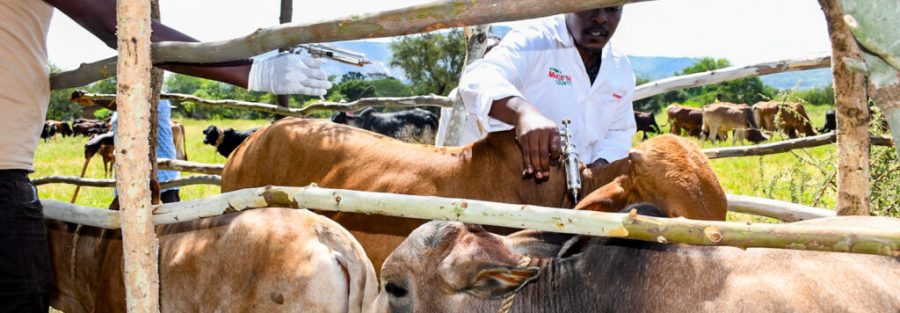
In today’s fast-evolving livestock sector, veterinarians are no longer just animal doctors — they are strategic partners in ensuring the health, productivity, and profitability of farms. With increasing demands for safe and sustainable food production, the role of veterinary professionals has become more vital than ever.
At Aaron Vet Farms Limited, Dr. Aaron and his expert team are redefining veterinary support for livestock farmers in Uganda and beyond. From preventing disease outbreaks to promoting best farming practices, their work is central to the success of modern livestock farming.
In this blog, we explore the critical roles veterinarians play in livestock farming today, with expert input from Dr. Aaron himself.
1. Animal Health ManagementThe primary responsibility of a veterinarian is to ensure that animals remain healthy and productive. Dr. Aaron emphasizes that routine health checks, vaccinations, and timely treatments are essential to prevent losses in livestock farming.
“Healthy animals mean better production. Whether you’re raising poultry, goats, pigs, or cattle, preventive care is cheaper and more effective than emergency treatment,” says Dr. Aaron.
Aaron Vet Farms offers on-site and mobile veterinary services to ensure early detection and intervention — significantly reducing mortality rates.
2. Disease Prevention and Biosecurity
With the growing risks of zoonotic diseases and outbreaks like Foot-and-Mouth Disease, African Swine Fever, and Newcastle Disease, veterinarians play a frontline role in disease control.Dr. Aaron advocates for strict biosecurity measures, educating farmers on:
Quarantine procedures
Disinfection protocols
Proper waste disposal
Controlled animal movement
“Many diseases can be prevented if farmers follow good hygiene and introduce new animals responsibly. As vets, we provide guidance tailored to each farm’s specific risks,” explains Dr. Aaron.
Aaron Vet Farms also helps develop custom vaccination programs based on location, animal type, and seasonal disease patterns.
3. Nutrition and Feed Planning
Nutrition is at the heart of animal productivity. Vets at Aaron Vet Farms help farmers design balanced diets for optimal growth, reproduction, and milk or meat production.Dr. Aaron and his team assess:
Feed quality
Nutritional deficiencies
Supplement needs
Cost-effective feeding strategies
By integrating veterinary knowledge with animal nutrition, they help reduce feed wastage and boost return on investment (ROI) for farmers.
4. Breeding and Reproductive Management
Veterinarians are crucial in managing livestock reproduction — from heat detection to artificial insemination (AI) and pregnancy diagnosis.Aaron Vet Farms offers:
Estrus synchronization
AI services for pigs, cows, and goats
Reproductive health monitoring
“We support farmers in selecting the right breeding stock and improving herd genetics. This ensures better productivity and disease resistance in the long run,” says Dr. Aaron.
This scientific approach to breeding helps eliminate guesswork and enhances farm profitability.
5. Training and Farmer Education
Veterinarians are educators. They play a key role in capacity building, especially for smallholder and beginner farmers.At Aaron Vet Farms Limited, regular farmer training programs are conducted on:
Animal handling
Vaccination schedules
Housing and hygiene
Disease recognition
Dr. Aaron believes that empowering farmers with knowledge is just as important as treating sick animals.
“We don’t just treat — we teach. An informed farmer is a successful farmer,” he adds.
6. Animal Welfare Advocacy
Animal welfare is a growing concern in modern livestock farming. Veterinarians are advocates for ethical treatment, ensuring animals are handled, housed, and transported humanely.Aaron Vet Farms encourages:
Comfortable housing with proper ventilation
Timely medical care
Pain management during procedures
Safe slaughter practices
These efforts not only improve animal lives but also align farms with global food safety and welfare standards.
7. Record Keeping and Farm Data Analysis
Vets are increasingly leveraging technology to improve decision-making. Dr. Aaron advises farmers to maintain accurate records on:Animal health history
Vaccinations and treatments
Breeding cycles
Production levels
“Data helps us track trends, diagnose problems faster, and plan for the future. It’s the backbone of modern farming,” says Dr. Aaron.
Aaron Vet Farms offers digital record-keeping support to enhance farm efficiency and traceability.
8. Emergency Response and Field Support
Emergencies like disease outbreaks, injuries, or sudden deaths can cripple a farm. Veterinarians are trained to act fast and minimize losses.Aaron Vet Farms provides 24/7 veterinary support for urgent cases across Uganda. With mobile vet units, Dr. Aaron ensures that even remote farmers receive timely help.
“We believe every farmer deserves access to professional vet services, no matter where they are,” Dr. Aaron affirms.
9. Supporting Sustainable and Profitable Farming
Modern farming isn’t just about production — it’s about sustainability. Veterinarians help farmers adopt practices that are environmentally friendly, economically viable, and socially responsible.At Aaron Vet Farms, Dr. Aaron champions:
Waste recycling through biogas systems
Water conservation in livestock housing
Proper medication disposal
These practices reduce environmental impact while maintaining high animal output.
Conclusion: Partnering for a Better Future
The role of veterinarians in livestock farming has evolved from traditional animal care to strategic farm consultancy. With experts like Dr. Aaron at the helm, Aaron Vet Farms Limited continues to lead the way in transforming Uganda’s livestock sector through science, education, and service.Whether you’re a large-scale commercial farmer or a smallholder starting out, partnering with a knowledgeable vet can make the difference between profit and loss.
Need expert livestock support? Contact Aaron Vet Farms Limited today and let Dr. Aaron help your farm thrive.