
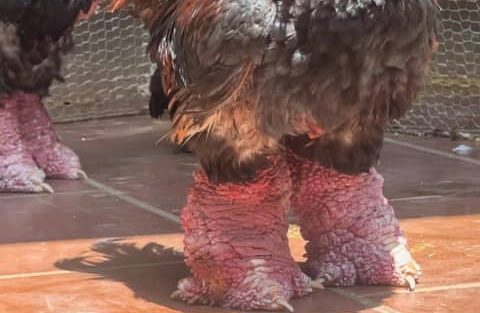
Dong Tao Chickens: Characteristics, Prices, Feeding, and Farming Guide
By Aaron Vet Farms Ltd
Introduction
Dong Tao chickens are among the most unusual and recognizable chicken breeds in the world. Originally from Vietnam, these birds are famous for their exceptionally thick legs, large bodies, and distinctive appearance. They are also associated with premium meat markets, making them interesting to poultry enthusiasts, specialty meat producers, and farmers exploring exotic chicken breeds.
For farmers in Uganda and other African countries, Dong Tao chickens may present an opportunity to explore niche poultry production. However, their suitability depends on breeding stock availability, feeding costs, climate management, veterinary care, and access to customers willing to pay premium prices.
At Aaron Vet Farms Ltd, we encourage farmers to understand a breed’s characteristics and management requirements before investing in poultry production. This guide explains everything you need to know about Dong Tao chickens, including their origin, appearance, feeding, housing, health, breeding, and potential commercial value.
1. What Are Dong Tao Chickens?
Dong Tao chickens, sometimes called Vietnamese dragon chickens, originated in Dong Tao village in Khoai Chau District, Vietnam. They are a traditional Vietnamese chicken breed valued for their unusual appearance and meat.
Their most distinctive feature is their exceptionally thick, scaly legs. Unlike ordinary chickens, whose legs are relatively slender, Dong Tao chickens have large, sturdy legs that make them immediately recognizable.
These birds are also known for their broad bodies, muscular appearance, and relatively slow development compared with many commercial broiler strains.
Dong Tao chickens are not conventional commercial broilers developed for rapid growth. They are a specialty breed whose value often depends on rarity, appearance, breeding quality, and demand in particular markets.
2. Physical Characteristics of Dong Tao Chickens
Understanding the physical characteristics of Dong Tao chickens helps farmers identify genuine birds and plan appropriate housing.
Giant, thick legs
Their unusually thick legs are their defining characteristic. The legs are covered in prominent scales and may appear reddish or pinkish, depending on the bird.
Although the legs are naturally large, farmers should not assume that every unusually thick-legged chicken is a pure Dong Tao. Reliable breeder records and documented parent stock are important when purchasing breeding birds.
Large body structure
Dong Tao chickens have a broad, muscular body and a strong frame. Their appearance differs from the streamlined body structure of many commercial egg-laying breeds.
Feather colours
Their plumage can vary. Red, brown, black, and other colour combinations may occur depending on the breeding line.
Growth and maturity
Dong Tao chickens generally develop more slowly than specialized commercial broilers. Their growth rate depends on genetics, nutrition, housing, and health management.
Farmers should obtain breed-specific growth records from their supplier instead of relying on a fixed maturity age or expected market weight.
3. Why Are Dong Tao Chickens So Expensive?
Dong Tao chickens are associated with premium prices in some Vietnamese markets, particularly for birds with desirable physical characteristics and established breeding value.
Several factors contribute to their value.
Rarity: Genuine breeding stock may be difficult to obtain outside Vietnam.
Distinctive appearance: Their oversized legs make them attractive to collectors and specialty poultry buyers.
Specialty meat demand: In some markets, Dong Tao chicken meat is considered a delicacy.
Breeding quality: Birds with documented lineage and desirable characteristics may command higher prices.
Production costs: Their slower growth and specialized breeding requirements can increase the cost of raising them.
However, high prices reported in one country do not guarantee similar prices in Uganda. Farmers should verify local demand, import regulations, transport costs, and the availability of genuine breeding stock before investing.
4. Can You Raise Dong Tao Chickens in Uganda?
Dong Tao chickens may be raised in Uganda if farmers can obtain suitable, healthy breeding stock and provide appropriate management. However, successful production requires careful planning.
Uganda’s tropical climate makes ventilation, shade, clean water, and protection from excessive heat especially important.
Farmers should begin with a small flock to assess survival rates, feed consumption, growth performance, and market demand before expanding.
Important considerations include:
Climate: Provide shade, adequate airflow, and protection from heavy rain.
Housing: Maintain dry, clean floors and sufficient space for movement.
Feed: Supply a balanced ration appropriate for the birds’ age and production stage.
Veterinary care: Follow locally appropriate vaccination, parasite control, and disease-prevention programmes.
Market access: Identify customers before spending heavily on breeding stock.
Farmers should also confirm the applicable veterinary and import requirements before bringing live poultry or hatching eggs into Uganda.
5. Feeding and Nutrition Requirements
Proper nutrition is essential for healthy growth, strong legs, feather development, and successful reproduction.
Dong Tao chickens require balanced diets containing energy, protein, vitamins, minerals, and clean water.
Chick starter feed
Young chicks need a suitable starter ration formulated for their age. The feed should provide adequate protein and essential nutrients for early development.
Keep feeders accessible and ensure chicks can reach clean drinking water easily.
Grower feed
As the birds grow, transition them to an appropriate grower ration according to the feed manufacturer’s recommendations. Avoid sudden dietary changes that may reduce feed intake or upset digestion.
Adult and breeding bird feed
Adult birds need a balanced maintenance diet. Breeding hens require adequate calcium and other nutrients for egg production and shell quality.
Feed quality matters more than simply providing large quantities. Excessive feeding can increase costs and contribute to obesity, while inadequate nutrition can slow growth and compromise reproduction.
Farmers should monitor body condition, feed consumption, and growth regularly. Aaron Vet Farms Ltd recommends working with qualified poultry nutritionists or veterinary professionals when developing rations for specialized breeds.
6. Housing and Management of Dong Tao Chickens
Good housing protects birds from predators, extreme weather, injury, and disease.
For Dong Tao chickens, provide a secure poultry house with adequate ventilation, dry bedding, and enough floor space to prevent overcrowding.
Because of their heavy bodies and large legs, avoid unnecessarily high perches and slippery flooring. Low, stable perches and safe access to feeders and drinkers can help reduce injuries.
Additional management practices include:
Clean and disinfect poultry housing between flocks.
Keep bedding dry and replace wet or contaminated material.
Provide secure outdoor areas where appropriate.
Separate newly introduced birds from the existing flock.
Store feed in a dry, rodent-proof area.
Provide suitable nesting boxes for breeding hens.
Inspect the birds regularly for limping, swelling, wounds, reduced appetite, and other signs of illness.
7. Common Health Problems and Prevention
Like other chicken breeds, Dong Tao chickens can suffer from respiratory infections, intestinal parasites, coccidiosis, Newcastle disease, fowl pox, and other poultry health problems.
Their large legs also require attention. Injuries, footpad damage, swollen joints, or difficulty walking should not be ignored.
Preventive measures include:
Vaccination: Develop a vaccination schedule with a local veterinary professional based on disease risks and vaccine availability.
Biosecurity: Limit unnecessary visitors, control rodents, and disinfect equipment.
Parasite control: Monitor birds and use appropriate treatments under veterinary guidance.
Clean water: Wash drinkers regularly and prevent contamination.
Early treatment: Isolate sick birds when appropriate and seek veterinary advice promptly.
Do not administer antibiotics routinely without a clear veterinary indication. Responsible medicine use helps protect animal health and reduces the risk of antimicrobial resistance.
8. Breeding Dong Tao Chickens
Breeding Dong Tao chickens requires careful selection and accurate record keeping.
Choose healthy breeding birds with desirable breed characteristics, good body condition, sound legs, and no obvious deformities. Obtain birds from reputable breeders who can provide information about their origin and parent stock.
Maintain records covering egg production, fertility, hatchability, chick survival, growth, and health problems.
Egg incubation should follow the recommended temperature and humidity settings for chicken eggs, with appropriate adjustments based on incubator performance and professional guidance.
Not every chick will develop the same leg size or body structure. Farmers should avoid guaranteeing specific physical characteristics before the birds mature.
9. Is Dong Tao Chicken Farming Profitable?
Dong Tao chicken farming could be commercially attractive for farmers who can access a reliable specialty market. Nevertheless, profitability is not guaranteed.
Before investing, calculate the total cost of acquiring breeding stock, housing, feed, labour, veterinary care, incubation, mortality, and marketing.
For farmers in Uganda, an additional challenge is finding buyers who understand the breed and are willing to pay enough to cover its higher production costs.
A practical approach is to:
Research potential customers, including specialty restaurants and poultry collectors.
Verify the authenticity and health status of available breeding stock.
Estimate production costs using local feed and veterinary prices.
Start with a manageable flock.
Keep detailed financial and production records.
Expand only when actual sales demonstrate sustainable demand.
Compare the expected returns with more established poultry enterprises, such as broiler production and commercial layers. These alternatives may offer more predictable markets for farmers who prioritize consistent cash flow.
10. Where Can Farmers Get Advice on Poultry Farming?
Farmers interested in Dong Tao chickens should seek reliable information before purchasing expensive breeding birds.
Aaron Vet Farms Ltd supports informed poultry management through an emphasis on proper feeding, flock health, biosecurity, and practical farm planning.
Whether you raise exotic chickens, broilers, or layers, sound management begins with quality inputs, suitable housing, balanced nutrition, and early disease prevention.
Before purchasing Dong Tao chickens, ask suppliers for photographs of mature parent birds, breeding records, health documentation, and clear information about the origin of their stock.
Conclusion
Dong Tao chickens are a remarkable Vietnamese breed known for their giant legs, large bodies, and specialty-market appeal. Their distinctive appearance makes them attractive to poultry enthusiasts and farmers exploring niche livestock enterprises.
However, successful Dong Tao chicken farming requires more than purchasing an unusual breed. Farmers must provide balanced nutrition, suitable housing, preventive veterinary care, and a realistic marketing strategy.
For Ugandan farmers, starting small and verifying demand before expanding is a sensible way to assess the opportunity.
Aaron Vet Farms Ltd encourages farmers to make informed poultry investments and prioritize animal health, quality feeding, and sustainable farm management. With careful planning and reliable technical guidance, farmers can evaluate whether exotic poultry production fits their business goals.
Frequently Asked Questions (FAQs)
1. Where do Dong Tao chickens originate?
Dong Tao chickens originate from Dong Tao village in Vietnam and are known for their exceptionally thick legs.
2. Are Dong Tao chickens available in Uganda?
Availability may be limited. Contact reputable poultry breeders and verify the birds’ authenticity, health documentation, and legal import requirements before purchasing.
3. Why do Dong Tao chickens have thick legs?
Their thick legs are a distinctive inherited breed characteristic developed through generations of breeding selection.
4. Are Dong Tao chickens good for meat production?
They are valued for specialty meat in some markets. However, they generally do not offer the rapid growth performance of specialized commercial broilers.
5. What do Dong Tao chickens eat?
They need balanced chicken feed appropriate to their age and production stage, together with continuous access to clean drinking water.
6. Are Dong Tao chickens profitable in Uganda?
They may be profitable where reliable buyers are willing to pay premium prices. Farmers should assess feed costs, breeding stock availability, veterinary expenses, and local demand before investing.
About Aaron Vet Farms Ltd: Your resource for practical poultry and livestock farming information, animal nutrition, flock health, and responsible farm management.