
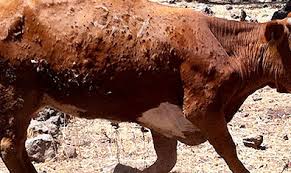
Signs Your Cattle Need Immediate Veterinary Attention
Know the Warning Signs Before It’s Too Late – Expert Tips from Dr. Aaron of Vet Aaron FarmsCattle farming is a major investment, and your livestock’s health is the backbone of your operation. While many conditions can be prevented with good management, some health issues require quick veterinary intervention to avoid serious losses. Knowing the early warning signs of illness or injury can save your animals—and your bottom line.
Dr. Aaron of Vet Aaron Farms shares key signs that indicate your cattle need immediate veterinary care.
1. Sudden Loss of Appetite
A healthy cow or bull should have a strong appetite and chew cud regularly. If your cattle suddenly stop eating or drinking, it’s a red flag. Causes may include fever, pain, infections, or digestive blockages. Lack of appetite for more than 12–24 hours is serious and should be checked by a vet immediately.2. Severe Diarrhea or Bloody Stool
Occasional loose stool may not be alarming, especially with diet changes. But persistent diarrhea—especially if watery, bloody, or foul-smelling—can lead to dehydration, weakness, and death, particularly in calves. This could signal bacterial infections, parasites, or poisoning.3. Swollen Abdomen or Signs of Bloat
Bloat occurs when gas builds up in the rumen and can’t escape. A cow with bloat will have a visibly swollen left flank, show signs of distress, and may grind its teeth or kick at its belly. Bloat is life-threatening and requires urgent vet attention to relieve pressure and avoid death.4. Unusual Discharge from Nose, Eyes, or Vagina
Excess mucus, pus, or blood coming from the nose or eyes could indicate pneumonia, infections, or foreign bodies. Vaginal discharge—especially after calving—might point to retained placenta, uterine infection, or reproductive issues. These conditions demand quick treatment.5. Difficulty Breathing or Persistent Coughing
Labored breathing, open-mouth breathing, wheezing, or constant coughing can indicate respiratory disease. In young calves, this could be pneumonia, while in adult cows, it could point to heart failure or an allergic reaction. Respiratory problems escalate fast and should not be ignored.6. Lameness or Reluctance to Move
If a cow is limping, lying down more than usual, or refuses to stand, it could be suffering from foot rot, injury, joint infection, or even a fractured limb. The longer lameness goes untreated, the more likely it will become chronic—and costly.7. High Fever or Extreme Weakness
Use a rectal thermometer to check for fever (normal range is 38.6–39.5°C or 101.5–103.1°F). A high temperature often points to infection, while abnormally low temperature can indicate shock or severe disease. Weakness, staggering, or collapse also call for urgent attention.8. Unusual Behavior or Aggression
Cattle that suddenly become aggressive, isolate themselves from the herd, or act confused may be experiencing neurological issues, poisoning, or rabies. Behavioral changes should always be treated as a potential emergency.9. Trouble Calving (Dystocia)
Prolonged labor, especially when no progress is seen after 30–60 minutes, can put both the calf and mother at risk. Dystocia requires skilled veterinary assistance to prevent injury or loss.Final Thoughts from Dr. Aaron
Early detection is key in livestock health. Don’t wait until the animal is down and beyond saving. If you notice any of the above signs, call a professional vet immediately.
At Vet Aaron Farms, Dr. Aaron offers on-farm emergency care, diagnosis, treatment, and herd health planning. Regular check-ups, vaccination, and prompt response to health concerns can protect your herd from major losses.
For quick, reliable veterinary support, contact Dr. Aaron at Vet Aaron Farms—your partner in livestock health.