
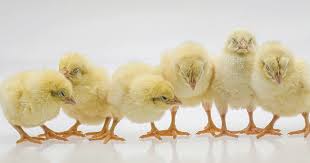
Maximizing Chick Survival Rate: Essential Tips from Aaron Vet Farms
Raising healthy chicks is the backbone of successful poultry farming. At Aaron Vet Farms, we understand that ensuring a high chick survival rate is crucial for both small-scale and commercial poultry farmers. This blog explores practical strategies, best practices, and professional insights to help you boost your chicks’ survival and achieve optimal growth.Understanding Chick Survival Rate
The chick survival rate refers to the percentage of chicks that survive from hatching to a certain age, typically the first 8 weeks of life. This metric is vital because early mortality directly affects profitability, productivity, and the overall efficiency of your poultry operation.Several factors influence chick survival, including:
Quality of day-old chicksBrooding conditions
Feeding practices
Disease prevention and management
Environmental stressors
At Aaron Vet Farms, we emphasize a holistic approach to improve chick survival and ensure maximum return on investment for our clients.
1. Source High-Quality Day-Old Chicks
The foundation of a high chick survival rate starts with sourcing quality day-old chicks. Aaron Vet Farms offers healthy, vaccinated, and carefully monitored chicks that meet industry standards. High-quality chicks are less susceptible to diseases and adapt better to new environments, giving them a head start for survival.Key considerations when sourcing chicks:
Check breeder credibility: Ensure the hatchery follows strict biosecurity measures.Vaccination records: Verify that chicks are vaccinated against common diseases such as Marek’s, Newcastle, and Infectious Bursal Disease (IBD).
Uniform size and activity: Healthy chicks are active, alert, and have uniform size, indicating good genetic quality and proper incubation.
2. Optimal Brooding Conditions
Brooding is the first stage of a chick’s life outside the egg, and providing a controlled, warm environment is essential. Improper brooding is a leading cause of early chick mortality.Key brooding tips from Aaron Vet Farms experts:
Temperature control: Maintain 32–35°C (90–95°F) during the first week, gradually reducing by 2–3°C weekly until fully feathered.Humidity levels: Keep humidity at 50–60% to prevent dehydration and respiratory problems.
Clean litter: Use dry, absorbent bedding such as wood shavings and replace it regularly to avoid disease build-up.
Space management: Avoid overcrowding; give at least 0.1 m² per chick in the first week, increasing as they grow.
Proper brooding ensures chicks are comfortable, stress-free, and more likely to thrive, directly improving their survival rate.
3. Balanced Nutrition for Healthy Growth
Nutrition is a cornerstone of chick survival rate. Chicks require high-quality starter feeds with the right balance of proteins, vitamins, and minerals. At Aaron Vet Farms, we provide guidance on feeding regimes tailored to different breeds and production goals.Essential feeding practices:
Starter feed: Use feeds with 20–24% protein for the first 2–3 weeks.Clean water: Always provide fresh, clean water; chicks can survive only a few hours without it.
Gradual feed transition: Introduce grower feed after the starter phase to support healthy development.
Supplements: Vitamins and electrolytes can boost immunity and reduce mortality during stressful periods.
Proper nutrition ensures chicks develop strong immune systems, resilient bones, and optimal weight gain—key indicators of high survival rates.
4. Disease Prevention and Biosecurity
Disease outbreaks are a major threat to chick survival. Implementing strict biosecurity measures and vaccination programs is non-negotiable for any poultry farmer.Aaron Vet Farms’ recommendations:
Vaccination schedule: Follow recommended vaccines for common poultry diseases.Sanitation: Regularly clean feeders, drinkers, and brooding areas.
Quarantine new arrivals: Isolate new chicks for at least 2 weeks before introducing them to the flock.
Pest control: Keep rodents and insects away from the brooding area.
A proactive approach to disease prevention reduces early mortality, protects flock health, and maintains a consistent survival rate.
5. Monitoring and Record-Keeping
Regular monitoring is key to maintaining a high chick survival rate. Observing behavior, growth patterns, and health indicators allows you to address problems early.Aaron Vet Farms suggests:
Daily health checks: Look for signs of lethargy, huddling, or abnormal droppings.Weight tracking: Weigh chicks weekly to ensure they are growing at a healthy rate.
Mortality records: Record any deaths and analyze causes to prevent recurrence.
Maintaining accurate records helps farmers make informed decisions, improve management practices, and achieve consistent results.
6. Stress Management for Better Survival
Stress is an often-overlooked factor in chick mortality. Environmental changes, handling, temperature fluctuations, and transportation can stress chicks, making them vulnerable to disease.Minimizing stress includes:
Gentle handling during feeding and cleaning.Gradual introduction to new environments.
Consistent light and temperature schedules.
Providing enrichment, such as perches or low-level feed, to encourage activity.
By managing stress effectively, you can significantly enhance chick survival rates and overall flock performance.
Why Choose Aaron Vet Farms for Chick Survival Success?
At Aaron Vet Farms, we combine expertise, high-quality chicks, and professional advisory services to help poultry farmers maximize survival rates. Our clients benefit from:Premium day-old chicks with high genetic potential.
Tailored feeding and management guidance.
Disease prevention support through vaccination programs and biosecurity advice
Ongoing technical support to troubleshoot challenges in real time.
Farmers working with us consistently report improved chick survival rates, faster growth, and higher profits, making Aaron Vet Farms a trusted partner in poultry farming.
Conclusion
A high chick survival rate is achievable with proper planning, quality chicks, optimal brooding, balanced nutrition, effective disease management, and attentive monitoring. Implementing these practices ensures healthy chicks, reduced mortality, and better productivity.Aaron Vet Farms is committed to supporting poultry farmers with premium chicks, expert guidance, and practical solutions to maximize chick survival and overall farm success. By prioritizing chick health and welfare, you set the stage for a thriving, profitable poultry operation.