
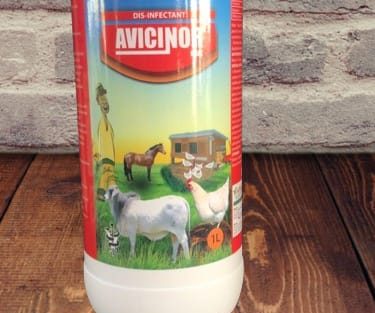
How to Disinfect a Poultry House Properly | Aaron Vet Farms Guide
Keeping your poultry house clean and disinfected isn’t just good practice — it’s essential for bird health, farm profitability, and long-term success. At Aaron Vet Farms, we understand the challenges poultry farmers face, whether you’re raising broilers, layers, or free-range flocks. In this comprehensive guide, we’ll walk you step-by-step through effective poultry house disinfection, why it matters, and how to prevent disease outbreaks with proven techniques.
Why Proper Poultry House Disinfection Is Crucial
A poultry house can harbor disease-causing organisms like Salmonella, E. coli, Newcastle Disease virus, and Avian Influenza. These pathogens:Reduce bird performance
Increase mortality
Cause production losses
Risk public health
Effective disinfection eliminates lingering pathogens and breaks the cycle of reinfection before introducing a new flock.
 At Aaron Vet Farms, our mission is to help farmers protect their birds with practical, science-based biosecurity and sanitation practices.
Step-by-Step Guide to Disinfecting Your Poultry House
1. Remove All Birds and Equipment
Before cleaning, ensure: Birds are safely relocated Feed, waterers, and movable equipment are taken out Manure and bedding are completely removed
This first step reduces organic material that can shield pathogens from disinfectants.
2. Dry Clean — Remove Organic Debris
Organic matter (droppings, feathers, litter) neutralizes disinfectant action. Use: Shovels
 Rakes
 Scrapers
Remove all visible wastes from floors, walls, and fixed equipment. Pay special attention to cracks where debris accumulates.
3. Wet Wash With Detergent
Once dry debris is gone:Prepare a detergent solution (follow label instructions)
Spray all surfaces — walls, floor, posts, feeders, drinkers
Scrub with brushes to dissolve residues
Detergent loosens stubborn grime and helps disinfectants work better.
 Tip: Warm water improves detergent efficiency.
4. Rinse Thoroughly
After washing: Rinse all surfaces with clean water Ensure detergent foam and loosened dirt are flushed away
This prevents chemical residues from reacting poorly with your disinfectant later on.
5. Apply a Quality Disinfectant
Choose a disinfectant with broad-spectrum antimicrobial action. Common types farmers use include: Chlorine-based solutions Phenolic compounds Quaternary ammonium compounds Formaldehyde (use with extreme care and PPE)Best Practices:
Follow manufacturer dosage Apply to all surfaces — walls, floors, ceilings, equipment Use a sprayer or fogger for even coverage Aaron Vet Farms recommends rotating disinfectants between flocks to prevent resistant organisms from emerging.
6. Let It Sit
Disinfectants need contact time to work effectively. Allow the product to: Sit for 30 minutes to several hours
(Refer to label instructions)
During this time, keep the house closed and free of traffic.
7. Dry and Reassemble
Once contact time is over: Allow surfaces to air dry Reinstall feeders, drinkers, and equipment Add fresh beddingYour poultry house is now ready for restocking!
Top Mistakes Farmers Make When Disinfecting
Even experienced farmers can slip up. Avoid these common errors: Skipping dry cleaning Using disinfectant over heavy organic matter Applying at too low a concentration Rinsing before proper contact time Reusing old litter without treatment
At Aaron Vet Farms, we train farmers to avoid these pitfalls — because cleaning right the first time saves time, money, and birds.
Biosecurity Boosters: Beyond Disinfection
Cleaning is one piece of the puzzle. Good biosecurity includes: Controlling farm access (limit visitors) Using footbaths at entry points Changing boots and clothing between houses Monitoring flock health daily Isolating sick birds promptly Vaccinating strategically
A sick bird can undo even the best cleaning efforts — so prevention is key.
How Often Should You Disinfect a Poultry House?
The ideal schedule includes: After every flock removal — complete disinfection Between broiler cycles (turnaround) If disease is suspected — additional deep clean
Routine maintenance cleaning (sweeping, removing minor spills/droppings) should happen daily.
Eco-Friendly & Safe Disinfection Practices
We care about your environment and worker safety. Choose: Biodegradable detergents
 Disinfectants labeled for poultry houses
 PPE for workers (gloves, masks, goggles)
 Avoid high-toxicity chemicals without proper training
Always store chemicals safely and dispose of empty containers per regulations.
Aaron Vet Farms’ Expert Tips for Disinfection Success
Plan before you clean.Set up tools, water supply, and PPE before starting.
Use hot water where possible.Warm water boosts cleaning power.
Document each cleaning.Track what was used and when, for audits and improvement.
Train your team.Consistency matters — everyone must follow the protocol.
Check ventilation.Good airflow helps dry surfaces and reduce pathogen load.
Frequently Asked Questions (FAQs)
1. Why is disinfection necessary if I already clean the poultry house?
Cleaning removes dirt, but disinfection kills disease organisms. Without it, pathogens can survive and infect your next flock.2. Can I disinfect with leftover solutions from last season?
No. Disinfectants lose potency over time. Always use freshly prepared solutions for maximum effectiveness.3. What’s the best disinfectant for poultry houses?
There’s no one-size-fits-all. Effective disinfectants include chlorine, phenolics, and quaternary ammonium compounds. Choose based on farm conditions, pathogen history, and safety.Aaron Vet Farms can help you select the right one.
4. How long should disinfectant stay on surfaces?
Most products require 30–60 minutes contact time. Check the label — some need longer. Never rinse too early.5. Is heat treatment necessary?
Heat treatment (steam cleaning) can be helpful in severe outbreaks, but it’s not always practical. Regular washing + disinfecting + biosecurity usually suffices.6. Can I reuse litter after disinfecting?
Reusing litter is risky. Treated litter should be free of pathogens and odor. In most cases, fresh bedding is safer and more effective.7. How soon can I restock after disinfection?
Wait until the house is completely dry and all chemical odors have dissipated — typically within 24 hours. Proper drying improves bird health.Conclusion
Proper poultry house disinfection is a cornerstone of healthy flocks and profitable farming. From thorough cleaning and washing to choosing the right disinfectant and following safety measures, each step helps protect your birds from disease.At Aaron Vet Farms, we’re dedicated to helping you achieve optimal sanitation, strong bird health, and better farm outcomes. Follow this guide, adopt good biosecurity, and your poultry house will stay cleaner, safer, and more productive.
 Need personalized help with disinfectants or biosecurity planning? Contact the experts at Aaron Vet Farms for tailored advice and support!