
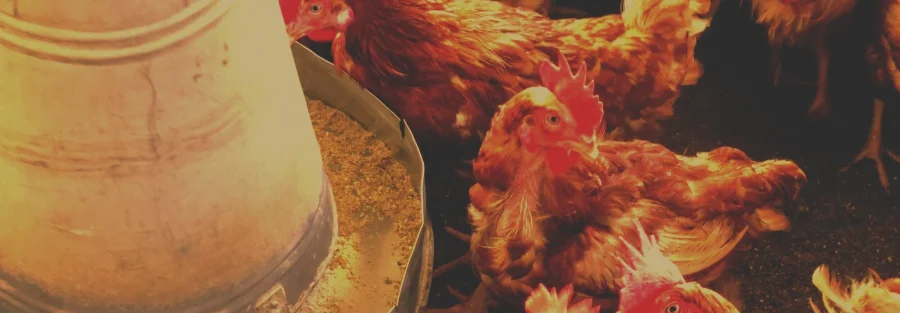
Complete Layer Feeding Program (0–80 Weeks): A Practical Guide by Aaron Vet Farms
Feeding laying hens correctly from day old to 80 weeks and beyond is one of the most important factors in achieving optimal egg production, flock health, and profitability. At Aaron Vet Farms, we believe in a smart, science-based, complete feeding program that supports growth, development, reproductive performance, and long-term wellness.
Why Proper Layer Feeding Matters
Feeding is more than just giving food — it’s about providing the right nutrients at every stage of growth. A correct feeding program:
Ensures proper bone and reproductive development
Minimizes metabolic diseases like fatty liver syndrome
Boosts egg size and shell quality
Supports consistent laying performance
Improves flock immunity and livability
Using unbalanced rations can lead to poor production, weak shells, and wasted feed — hurting your ROI.
Key Nutrients in Layer Diets
Before we break the program down by age, here are the core nutrients your layers need:
Protein – Vital for muscle growth, feathering, and egg formation
Calcium – Critical for strong eggshells
Phosphorus – Works with calcium for bone integrity
Energy (Carbohydrates & Fat) – Drives day-to-day activity
Vitamins & Minerals – Supports metabolism and immunity
A successful program makes sure these are present in the right proportions.
Complete Layer Feeding Program (0–80 Weeks)
 Day 1–6 Weeks: Starter Phase
Goal: Rapid early growth
Feed Type: Starter feed (crumble)
Protein: 20–22%
Key Focus:
High protein to support muscle and organ development
Balanced vitamins & minerals
Provide constant clean water
Tip: Young chicks have tiny crops — frequent access to feed improves uniformity and growth.
6–14 Weeks: Grower Phase
Goal: Frame development and readiness for pre-lay
Feed Type: Grower feed (pellet or crumble)
Protein: 16–18%
Why This Matters:
Bones and body structures are still forming — too much feed too early leads to excessive fat and poor future egg production.
Best Practice:
Reduce protein gradually from starter levels
Maintain clean feeders and water stations
14–18 Weeks: Pre-Layer Phase
Goal: Prep reproductive system for laying
Feed Type: Pre-layer feed (crumble)
Protein: 16–17%
Calcium: 2–3%
Notes:
This age prepares the pullets for egg production. The feed starts increasing calcium to support future eggshell formation.
18–24 Weeks: Early Lay
Goal: Start of egg production
Feed Type: Layer feed (pellet)
Protein: 16–18%
Calcium: 3.5–4% (important!)
What to Expect:
First eggs may be smaller — but nutrient-dense feed stabilizes production.
Top Tip: Use calcium feeders or oyster shell supplements free choice to enhance shell quality.
24–80 Weeks: Peak and Mid Lay
Goal: Maintain high egg production
Feed Type: Layer feed (pellet or mash)
Protein: 16–18%
Calcium: 3.5–4.5%
Energy: Balanced to meet daily consumption needs
Feeding Best Practices:
Consistent feeding times each day
Fresh water always available
Rotate oyster shell availability
Regularly monitor body condition and egg quality — adjust feed intake if necessary.
Layer Feed Ration Example
Age (Weeks) Feed Type Crude Protein Calcium Notes
0–6 Starter Crumble 20–22% 0.9% High protein for young growth
6–14 Grower Feed 16–18% 0.9% Balanced growth
14–18 Pre-Layer Feed 16–17% 2–3% Preps reproductive system
18–80 Layer Feed 16–18% 3.5–4.5% Supports egg production
Best Practices for Feeding Layers
 1. Feed Formulation Matters
Pelleted feeds generally improve feed efficiency and reduce waste compared to mash. 2. Keep Feed Fresh
Moisture, mold, and toxins reduce feed quality and harm bird health. 3. Water is Essential
A laying hen drinks about twice as much water as feed — clean, fresh water increases feed intake and egg output. 4. Monitor Flock Health
Feeding alone doesn’t guarantee success — regular health checks help identify deficiencies early. 5. Adjust Feed Based on Performance
If eggshell quality drops, consider increasing calcium sources. If body weight is too high, adjust energy levels.Common Feed Additives and Supplements
Oyster Shell or Crushed Limestone – Improves shell qualityProbiotics & Enzymes – Enhances gut health and digestion
Vitamin Premixes – Boost immunity and reduce stress
Electrolytes (Heat Stress) – Helps during hot weather
Always consult your vet or nutritionist before adding supplements.
FAQs – Layer Feeding Program (0–80 Weeks)
1. What should I feed my laying hens from day one?
Feed a high-protein starter crumble with 20–22% protein to support early growth. Layer or grower feeds are inappropriate at this stage. Gradually transition based on age.2. Why does calcium increase in layer feeds?
Calcium is essential for eggshell formation. Mature laying hens need higher calcium (3.5–4.5%) to produce strong eggs and avoid metabolic disorders like osteoporosis.3. When do pullets start laying eggs?
Most pullets begin laying between 18–22 weeks, but peak production often occurs around 24–30 weeks. Proper feeding prepares them for this transition.4. Should I feed pellets or mash?
Pellets usually improve feed conversion and reduce waste. Mash is acceptable but may increase feed loss.5. How much should a laying hen eat per day?
A mature laying hen typically eats about 100–120g of feed daily, depending on breed, environment, and stage of lay.6. Can I feed scratch grains to layers?
Scratch grains can be offered in small amounts as a treat but should not replace a complete balanced ration — too much can reduce nutrient intake and production.7. What causes poor eggshell quality?
Common causes include low dietary calcium, inadequate vitamin D, or inconsistent feeding. Free-choice calcium sources help correct this.8. How does water affect egg production?
Water directly influences feed intake — dehydration reduces appetite and lowers egg output. Always ensure fresh, clean water is available.Final Tips from Aaron Vet Farms
Success in egg production starts with nutrition. A complete feeding program from 0–80 weeks ensures your layers stay healthy, productive, and profitable. Monitor your flock, adjust feeding based on performance, and consult with experts if challenges arise.For customized feed formulations, nutrition audits, or professional hen-raising support, contact Aaron Vet Farms today — your partner in profitable and healthy poultry management!