
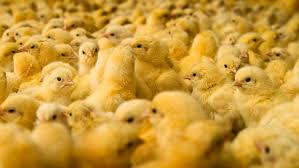
How to Set Prices for Your Day-Old Chicks: A Practical Guide for Ugandan Poultry Farm
Learn how to set the right prices for your day-old chicks in Uganda.
Setting the right price for your day-old chicks can make or break your poultry business. Price too high, and customers may turn to competitors. Price too low, and your profits may vanish. At Aaron Vet Farms Ltd, we understand how important it is for poultry farmers—especially those starting out—to develop a pricing strategy that balances cost recovery, competitive advantage, and profitability.
We’ll walk you through the key factors to consider when pricing your day-old chicks in Uganda, helping you make smart business decisions that grow your poultry venture sustainably.
1. Understand Your Total Costs
Before setting any price, you need to know exactly how much it costs to produce each chick. This includes:
a. Fixed Costs
These are long-term investments that don’t change with the number of chicks, such as:
Incubators and hatchery equipment
Brooding facilities
Generator and water tanks
b. Variable Costs
These costs depend on the number of chicks hatched and include:
Fertile eggs
Electricity or charcoal (for incubators)
Vaccines and medications
Chick boxes and transportation
Labor and feed for breeders
Use this simple formula to calculate your break-even cost per chick:
Total Costs ÷ Number of Chicks Hatched = Cost per Chick
Let’s say your monthly total cost is UGX 2,000,000 and you hatch 2,000 chicks:
UGX 2,000,000 ÷ 2,000 chicks = UGX 1,000 per chick
2. Study the Local Market
Prices vary across Uganda depending on region, demand, and competition. For instance:
In Kampala, day-old chicks may sell between UGX 1,400 and UGX 2,000.
In rural areas, prices may be slightly lower due to transport and purchasing power.
Tips:
Visit agri-input shops and hatcheries to compare their prices.
Talk to farmers and local agro-vets.
Monitor poultry WhatsApp groups and Facebook pages like “Uganda Poultry Farmers.”
This research helps you position your price competitively while staying profitable.
3. Consider Breed Type and Quality
Not all chicks are priced the same. Common breeds in Uganda include:
Kuroiler and Rainbow Rooster: Sell between UGX 1,500–2,000
Broilers (Cobb 500/Ross 308): Sell between UGX 1,400–1,800
Layers (ISA Brown/Hy-Line): Sell between UGX 1,600–2,000
Higher prices can be justified by:
Strong genetic stock
Consistent hatch rates
Disease-free certification
Early vaccinations (like Marek’s)
At Aaron Vet Farms Ltd, we supply high-quality vaccinated chicks, which makes our brand trustworthy and allows for premium pricing.
4. Factor in Profit Margin
Once you calculate your cost per chick, add a reasonable profit margin. Most poultry entrepreneurs in Uganda aim for a 15–30% profit margin.
Let’s assume your production cost is UGX 1,200 per chick:
With a 20% profit: UGX 1,200 x 1.20 = UGX 1,440 per chick
With a 30% profit: UGX 1,200 x 1.30 = UGX 1,560 per chick
If you have a trusted customer base and added value (e.g., free delivery or feeding guide), you may charge a little more.
5. Adjust for Seasonality and Demand
Uganda’s poultry industry is highly seasonal:
High demand around December–January (festive season), Easter, and school holidays
Low demand during planting seasons and heavy rain periods
During high demand, you can raise prices by UGX 100–300 per chick. But during low seasons, be prepared to lower prices slightly or offer promotions.
Tip: Keep records of demand trends so you can predict and plan prices ahead.
6. Build in Discounts and Promotions
To attract and retain customers, consider:
Bulk discounts (e.g., UGX 1,450 per chick for orders above 500)
Loyalty rewards (e.g., buy 100 chicks, get 5 free)
First-time buyer offers
These incentives not only boost sales but also enhance your reputation in the poultry community.
7. Add Value Through Branding
At Aaron Vet Farms Ltd, we believe your brand value matters as much as your chick quality.
Customers are often willing to pay more when they trust:
Your vaccination and health protocols
Timely deliveries
Clear communication
Professional packaging
Invest in customer service, reliable WhatsApp communication, and clear labeling. A good name in the poultry world increases your pricing flexibility.
8. Watch Out for Hidden Costs
Sometimes, pricing errors come from ignoring hidden costs, such as:
Mortality during transport
Fuel for delivery
Packaging materials
Losses due to unsold chicks
Track these over time and adjust your pricing if necessary to cover such indirect expenses.
9. Review Prices Regularly
Don’t set your price and forget it.
Economic conditions in Uganda change quickly due to:
Feed prices
Fuel costs
Exchange rate fluctuations
Government taxes on agro-inputs
Make it a habit to review your pricing monthly or quarterly. Adjust your profit margins to keep your business resilient.
10. Be Transparent with Customers
Customers will respect you more when you:
Explain the value of vaccinated chicks
Show them how your pricing is fair
Demonstrate why paying slightly more means healthier, productive birds
This builds long-term relationships and reduces complaints or price haggling.
Final Thoughts
Setting the right price for your day-old chicks isn’t just about beating your competitor’s rates—it’s about understanding your costs, knowing your market, and delivering consistent quality.
At Aaron Vet Farms Ltd, we encourage every poultry entrepreneur to price their chicks wisely for long-term business growth. When done right, your pricing strategy can fuel customer trust, expand your operations, and increase your profitability.