
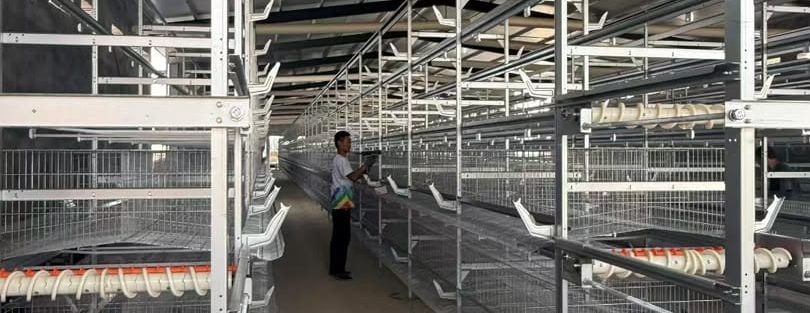
What to Consider Before Buying Poultry Cages in Uganda
Buying poultry cages is a major investment for any commercial poultry farmer. The right cage system can improve space utilization, egg collection, hygiene, labor efficiency, and overall farm management. However, choosing poultry cages simply because they are cheap can lead to problems such as overcrowding, rusting, poor ventilation, difficult cleaning, and high maintenance costs.
Before investing in poultry cages in Uganda, farmers should carefully consider the cage design, material quality, bird capacity, ventilation, feeding and watering systems, farm size, budget, and after-sales support.
At Aaron Vet Farms Ltd, we understand that successful poultry farming requires more than quality chicks and feeds. Proper housing and equipment are equally important for maintaining healthy, productive birds.
1. Determine Your Poultry Farming Goals
The first thing to consider before buying poultry cages is your production objective.
Are you planning to keep layers for egg production, or are you setting up another type of poultry enterprise?
Battery and layer cage systems are primarily designed for commercial egg production. They can make egg collection easier and help farmers use available housing space efficiently.
Before buying cages, determine:
The number of birds you intend to keep
Your expected egg production
Available land and poultry-house space
Your expansion plans
Available labor
Your investment budget
Starting with a clear production plan helps you select cages that match your farm instead of purchasing equipment that is either too small or unnecessarily expensive.
2. Consider the Number of Birds
Your flock size directly determines the type and number of cages you need.
For example, a farmer keeping 1,000 layers will have very different equipment requirements from a commercial farm keeping 10,000 or 20,000 birds.
Do not only look at the total number of birds a cage can hold. Check the available space per bird and ensure the cage is designed for the intended breed and production system.
Uganda’s poultry training guidance provides stocking recommendations for cage systems, emphasizing appropriate space and access to water and feeding equipment.
Never overcrowd cages simply to increase the number of birds on your farm. Overcrowding can increase stress, competition for feed and water, poor air quality, and disease-management challenges.
3. Check the Quality of the Cage Material
Material quality is one of the most important considerations when buying poultry cages.
Cheap cages may appear attractive because of their low initial price, but poor-quality metal can bend, break, or rust quickly, particularly in humid conditions.
When comparing poultry cages for sale in Uganda, ask about:
Type and thickness of steel
Galvanization or corrosion protection
Strength of cage frames
Quality of welding
Durability of doors
Quality of feed troughs
Quality of drinker systems
Availability of replacement parts
A durable cage may cost more initially but can provide better value over its working life.
4. Think About Ventilation
Good ventilation is essential in any poultry house, particularly when birds are kept in cages.
Cages increase the number of birds that can be housed within a building, meaning heat, moisture, dust, and manure can accumulate quickly if airflow is inadequate.
Before purchasing cages, examine how they will fit into your poultry house and whether there will be enough room for proper air movement.
A good poultry housing system should provide adequate ventilation, temperature control, drainage, and hygiene. Aaron Vet Farms Ltd also emphasizes proper ventilation and biosecurity as important elements of poultry housing in Uganda.
For larger commercial farms, ventilation should be considered together with cage layout rather than treated as an afterthought.
5. Evaluate the Feeding System
Feed represents one of the biggest costs in poultry production, so reducing unnecessary feed wastage is essential.
Before buying poultry cages, check whether the feeding troughs are strong, correctly positioned, and easy for birds to access.
Ask the supplier:
How much feeding space is available?
Can birds access feed comfortably?
Does the design minimize feed wastage?
Can the feeding system be upgraded later?
Is automatic feeding compatible with the cage?
For large farms, automation can reduce labor requirements and improve consistency.
6. Check the Drinking System
Clean water must be available to birds at all times.
Modern cage systems commonly use nipple drinkers, which can help provide water efficiently while reducing contamination compared with some traditional drinking systems.
Before buying cages, check:
Number of nipples per cage
Quality of drinker lines
Water pressure requirements
Ease of cleaning
Availability of replacement nipples
Compatibility with your existing water system
Uganda’s poultry guidance emphasizes reliable access to clean water and appropriate nipple availability for housed birds.
7. Consider Manure Management
One advantage of cage systems is that manure can be managed more systematically.
However, you should determine how manure will be collected before purchasing the cages.
Depending on the system, manure may be collected manually using trays or through more advanced manure-removal systems.
Ask whether the cage includes:
Manure trays
Manure belts
Scraper systems
Easy-access cleaning areas
Efficient manure management can improve hygiene and reduce the amount of labor required on a commercial poultry farm.
8. Look at Egg Collection
For layer farmers, egg collection is a major daily activity.
A good cage should allow eggs to roll gently toward the collection area while minimizing breakages and contamination.
When inspecting layer cages in Uganda, check the floor design and egg-collection arrangement.
For larger farms, farmers can also consider automated egg collection systems where appropriate.
The goal is simple: make egg collection faster, cleaner, and less labor-intensive without compromising bird welfare.
9. Compare the Total Cost, Not Just the Purchase Price
One of the biggest mistakes farmers make is choosing poultry cages based only on the cheapest quotation.
Instead, calculate the total cost of ownership.
Consider:
Purchase price
Transport
Installation
Poultry-house modifications
Feeders and drinkers
Lighting
Ventilation
Maintenance
Spare parts
Future upgrades
A cheaper cage that requires frequent repairs may eventually cost more than a stronger, better-designed system.
10. Choose a Reliable Supplier
Your relationship with the supplier should not end when you make payment.
Choose a supplier that can provide technical guidance, installation support, spare parts, and advice on poultry-house design.
Aaron Vet Farms Ltd provides poultry products and services in Uganda, including poultry feeds, day-old chicks, veterinary support, disease prevention, vaccination, and animal health products.
Farmers can therefore consider the wider support they need when planning a poultry project rather than treating cages as a standalone purchase.
11. Plan for Future Expansion
If you plan to increase your flock in the future, choose a cage system that can accommodate expansion.
For example, a farmer starting with 2,000 layers may eventually want to keep 5,000 or 10,000 birds.
Planning expansion from the beginning can prevent expensive reconstruction later.
Your cage layout should leave adequate space for movement, cleaning, ventilation, feeding, egg collection, and future equipment installation.
Conclusion
Buying poultry cages is an important decision that can significantly influence the profitability and management of your poultry farm. Before making a purchase, consider bird capacity, cage material, ventilation, feeding, drinking systems, manure management, egg collection, total cost, supplier reliability, and future expansion.
Most importantly, do not choose poultry cages based on price alone. Choose a system that supports healthy birds, efficient farm management, reduced labor, and long-term productivity.
If you are planning to establish or expand a layer farm in Uganda, Aaron Vet Farms Ltd can help you make informed poultry-production decisions, from quality poultry products and feeds to veterinary and farm-management support.
Contact Aaron Vet Farms Ltd for professional guidance on your poultry farming project and the products you need to build a productive and sustainable farm.