
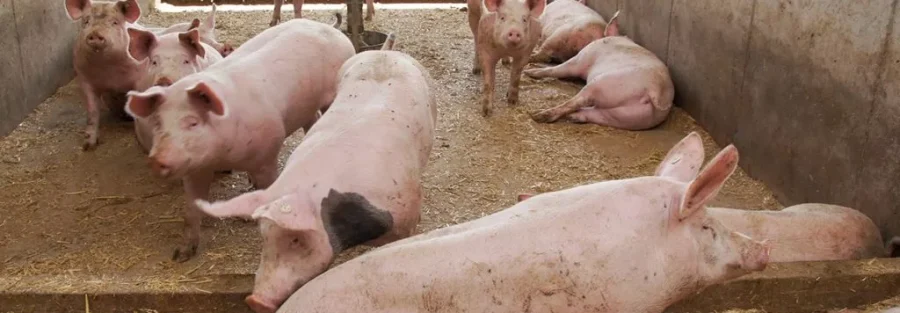
How to Build the Best Pigsty for Commercial Pig Farming
Pig farming is becoming one of the most promising livestock enterprises for farmers looking to earn income from meat production, breeding, and the growing demand for pork. However, successful commercial pig farming starts with more than buying good piglets and quality feeds. One of the most important investments on a pig farm is building a proper pigsty.
A well-designed pigsty provides pigs with a clean, comfortable, secure, and healthy environment. Good housing can improve growth rates, reduce disease outbreaks, make feeding easier, simplify manure management, and increase the overall profitability of the farm.
At Aaron Vet Farms Ltd, we encourage farmers to plan their pig housing carefully before starting or expanding a commercial pig farming project.
1. Choose the Right Location for Your Pigsty
The first step in building a successful pig house is selecting a suitable location. The pigsty should be built on dry, well-drained land to prevent water from collecting inside or around the pens.
Avoid constructing the pig house in swampy or flood-prone areas. Excess moisture creates unhygienic conditions and can increase the risk of disease. The location should also be reasonably accessible so that farmers can easily deliver feed, water, veterinary supplies, and transport pigs when necessary.
A good pigsty location should:
Have proper natural drainage
Be accessible throughout the year
Have a reliable source of clean water
Be away from areas prone to flooding
Allow for future expansion
Be located away from other livestock where practical
Have enough space for manure management
Proper planning at this stage can save a farmer significant costs in the future.
2. Design the Pigsty According to the Number of Pigs
One common mistake in commercial pig farming is building a pig house without considering the number and category of pigs to be kept. Different pigs require different amounts of space.
A commercial pigsty may need separate pens for:
Boars
Pregnant sows
Lactating sows and piglets
Weaners
Growers
Finishers
Sick or isolated pigs
Overcrowding should be avoided because it can lead to fighting, stress, injuries, poor growth, and faster disease transmission. When pigs have adequate space, they can feed, rest, and move more comfortably.
Before construction begins, prepare a pig house plan based on your production goals. For example, a farmer keeping pigs for breeding will need different facilities from a farmer focusing only on raising pigs for pork.
It is also wise to construct the pigsty in a way that allows easy expansion as your commercial pig farming business grows.
3. Build a Strong and Easy-to-Clean Floor
The floor is one of the most important parts of a modern pigsty. A good floor should be strong, durable, non-slippery, and easy to clean.
Concrete floors are commonly used in commercial pig farming because they are easier to wash and disinfect. However, the surface should not be excessively rough, as this may cause injuries to the pigs’ feet and legs.
The floor should also have a gentle slope towards the drainage channel. This allows urine and wash water to flow away easily instead of accumulating inside the pig pen.
A poorly designed floor can create serious problems such as:
Wet and dirty pens
Bad odours
Increased disease risk
Difficult cleaning
Foot injuries
Poor hygiene
Good drainage and regular cleaning are essential for maintaining a healthy pig farming environment.
4. Ensure Proper Ventilation in the Pig House
Pigs are sensitive to excessive heat, especially because they do not sweat efficiently. A poorly ventilated pigsty can become hot and humid, causing stress and reducing feed intake and growth performance.
The best pigsty for commercial pig farming should allow continuous movement of fresh air without exposing pigs to strong, cold winds.
Ventilation helps to:
Remove excess heat
Reduce humidity
Remove unpleasant gases
Improve air quality
Keep pigs comfortable
Reduce respiratory health problems
A practical pig house design should include adequate openings, windows, or open sides protected with suitable materials. The roof should also be high enough to allow heat to rise and improve air circulation.
In hot areas, farmers should pay special attention to roof design and shade. Keeping pigs cool can significantly improve their comfort and productivity.
5. Provide a Good Roof and Protection from Harsh Weather
The roof protects pigs from rain, direct sunlight, and excessive heat. Choose durable roofing materials that suit the local climate and budget.
The roof should extend beyond the walls to help prevent rainwater from entering the pig pens. Adequate roof overhang can also provide additional shade and protect the walls from excessive rain.
A properly designed roof should provide:
Protection from direct sunlight
Shelter from rain
Good airflow
A comfortable temperature
Long-term durability
The height of the pig house should also support good ventilation. A low roof can trap heat and make pigs uncomfortable, especially during hot weather.
6. Install Proper Feeders and Drinking Facilities
Commercial pigs need constant access to clean water and a well-organized feeding system. Water shortages can quickly affect pig health, feed intake, and growth.
Install strong drinking troughs or suitable automatic drinkers that are easy for pigs to access. Water facilities should be checked regularly to ensure they are working properly.
Feeders should also be designed to reduce feed wastage. Since feed represents a major cost in commercial pig farming, reducing unnecessary wastage can improve profitability.
Good feeders should:
Be strong and durable
Be easy to clean
Reduce feed contamination
Reduce feed wastage
Allow pigs adequate access to feed
The feeding and watering areas should be positioned carefully to make daily farm management easier.
7. Build an Effective Drainage and Manure Management System
Pig farming produces a significant amount of manure and wastewater. Without proper management, waste can create bad odours, attract flies, contaminate water sources, and increase disease risks.
The pigsty should have properly designed drainage channels that direct waste away from the housing area. However, waste should not simply be allowed to flow into rivers, wells, or neighbouring properties.
Pig manure can be managed through composting, biogas production, or use as organic fertilizer where appropriate. This can help transform farm waste into a valuable resource.
Good manure management improves farm hygiene and supports environmentally responsible commercial pig farming.
8. Prioritize Biosecurity When Building Your Pigsty
Biosecurity should be part of the pigsty design from the beginning. Disease outbreaks can cause major financial losses, especially on commercial farms.
The farm should control unnecessary movement of people, vehicles, and animals around the pig housing area. Consider providing a designated entrance and an area for cleaning and disinfecting footwear.
It is also important to have a separate isolation pen for sick or newly introduced pigs. New pigs should not immediately mix with the main herd without proper observation and management.
Important pig farm biosecurity practices include:
Limiting unnecessary visitors
Cleaning and disinfecting pig pens
Providing clean footwear for farm workers
Isolating sick pigs
Managing rodents and other pests
Safely disposing of dead animals
Cleaning equipment regularly
Seeking veterinary advice when disease signs appear
Strong biosecurity begins with good pig house design and continues through daily farm management.
9. Make Cleaning Easy
A commercial pigsty should be designed to make work easier, not harder. Pens should have enough space for cleaning, while drainage channels should allow wastewater to flow effectively.
Use durable construction materials that can withstand regular washing and disinfection. Poor-quality materials may quickly deteriorate and create hiding places for pests and disease-causing organisms.
Establish a regular cleaning routine. Removing manure, washing pens, cleaning feeders, and maintaining water facilities are important parts of successful pig farm management.
A clean pigsty contributes to healthier pigs and creates a better working environment for farm staff.
10. Plan for Profitability and Future Expansion
The best pigsty is not necessarily the most expensive building. A successful pig house should match the size of your business, available capital, production system, and future goals.
Avoid spending money on unnecessary features while ignoring essential requirements such as ventilation, drainage, adequate space, clean water, and biosecurity.
A smart pigsty design should allow the farmer to expand the number of pigs gradually. Planning for future expansion can reduce reconstruction costs as the pig farming business grows.
Conclusion
Building the best pigsty for commercial pig farming is one of the most important steps toward creating a productive and profitable pig enterprise. A good pig house should provide adequate space, strong flooring, proper drainage, effective ventilation, protection from harsh weather, reliable water, efficient feeding facilities, and strong biosecurity.
Farmers should remember that good pig housing directly affects animal welfare, health, growth, and farm profitability. Before beginning construction, carefully assess your available land, budget, target number of pigs, and production objectives.
At Aaron Vet Farms Ltd, we believe that successful livestock farming starts with proper planning, good management, quality animal care, and effective disease prevention. By investing in a well-designed and hygienic pigsty, farmers can create a stronger foundation for successful commercial pig farming and long-term business growth.
Need guidance on commercial pig farming, pig housing, animal health, farm biosecurity, and livestock management? Contact Aaron Vet Farms Ltd for professional farming support and practical solutions for building a successful livestock enterprise.
2 Comments
oleybetcasino
Oleybetcasino – I liked the layout of this site. It’s clean and easy to understand. Good selection of table games. Would recommend that you give it a try: oleybetcasino
vnflay88
The live dealer experience here is absolutely top tier and the customer service responds in seconds. I feel completely safe placing my bets on this trustworthy platform. Swing by vnflay88