
Best Poultry Cages for Layers in Uganda: Types, Prices and Benefits
By Aaron Vet Farms Ltd
Poultry farming is one of the fastest-growing agribusiness ventures in Uganda, with many farmers investing in layer chickens for reliable egg production and income. However, as the number of birds increases, farmers need an efficient housing system that promotes good health, hygiene, feeding, egg collection, and overall farm management.
One of the most effective solutions is the use of poultry cages for layers. Layer cages can help farmers utilize limited space, reduce feed wastage, improve cleanliness, and make daily poultry management easier.
At Aaron Vet Farms Ltd, we help poultry farmers make informed decisions about housing systems, equipment, chick management, feeding, vaccination, and general poultry production. This guide explains the main types of layer cages available in Uganda, their benefits, estimated prices, and factors to consider before purchasing.
What Are Poultry Cages for Layers?
Poultry cages are specially designed housing units used to keep laying hens in an organized and controlled environment. Unlike deep-litter systems, where birds move freely on the floor, cage systems keep birds in individual compartments or groups.
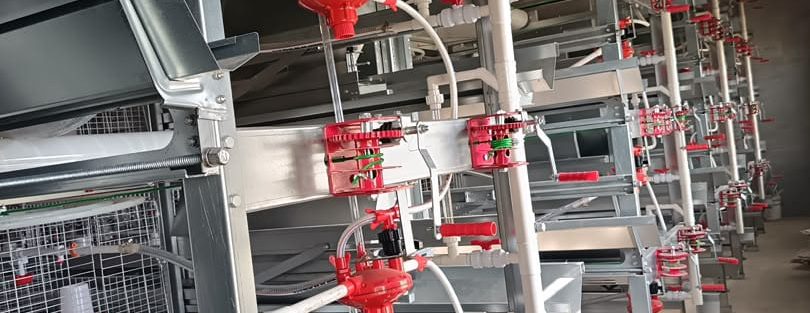
A well-designed layer cage system in Uganda normally includes feeding troughs, drinking systems, manure collection arrangements, and egg collection areas.
Cages can be particularly useful for commercial poultry farmers keeping hundreds or thousands of layers because they make it easier to monitor individual birds and manage the flock efficiently.
Types of Poultry Cages for Layers in Uganda
1. A-Type Layer Cages
A-type cages are among the common choices for small- and medium-scale poultry farms.
They are arranged in an A-shaped structure, with cage compartments positioned on both sides. They can be installed in poultry houses with relatively simple designs.
Benefits include:
Affordable initial investment
Easy access to birds
Simple installation and maintenance
Suitable for small and medium poultry farms
Good ventilation around cages
A-type cages are a practical option for farmers searching for affordable layer cages in Uganda.
2. H-Type Layer Cages
H-type cages are designed vertically and can accommodate more birds within a smaller floor area. They are commonly considered for larger commercial poultry operations.
These systems can be equipped with automated or semi-automated feeding, drinking, manure removal, and egg collection systems.
Advantages include:
High stocking capacity
Efficient use of poultry house space
Easier manure management
Potential for automation
Suitable for large-scale layer farming
Although H-type cages may require a higher initial investment, they can be economical for commercial farms because of their efficient use of space and labor.
3. Manual Layer Cages
Manual cages rely heavily on workers for feeding, egg collection, cleaning, and other routine activities.
They are often preferred by farmers who are starting with a modest number of layers or operating on a limited budget.
Manual systems generally have a lower purchase and installation cost compared with fully automated systems.
4. Automatic Layer Cage Systems
Automatic layer cage systems incorporate equipment that reduces manual labor. Depending on the system, automation can include feeding, drinking, manure removal, ventilation, and egg collection.
These systems are more suitable for large-scale commercial poultry farms where labor efficiency is important.
Poultry Cage Prices in Uganda
The price of poultry cages in Uganda varies considerably depending on the type, material, capacity, number of tiers, manufacturer, transportation, installation, and level of automation.
As a general guide, farmers may encounter different price ranges for:
Small-capacity manual layer cages
Medium-capacity A-type cages
Large-capacity H-type cages
Multi-tier commercial cage systems
Automated layer cage systems
Because prices change with exchange rates, steel prices, specifications, transportation, and supplier, farmers should request a current quotation based on the number of birds they intend to keep.
For example, a farmer planning to keep 500, 1,000, 2,000, or 5,000 layers should not simply compare the price of one cage. The total project cost should also consider poultry-house construction, feeders, drinkers, water systems, installation, transport, lighting, ventilation, and other equipment.
Benefits of Using Layer Cages
1. Efficient Use of Space
One of the biggest advantages of cage systems is their ability to accommodate many birds in a relatively small area.
This makes layer cages in Uganda particularly useful where farmers have limited land for poultry production.
2. Improved Hygiene
Birds remain separated from their manure, which can help maintain a cleaner environment compared with some floor-based systems when manure is properly managed.
Good hygiene is essential for reducing disease risks and maintaining productive layers.
3. Easier Egg Collection
Eggs are generally easier to collect from cage systems. This can save time and reduce the amount of egg breakage associated with birds laying eggs on the floor.
4. Reduced Feed Wastage
Properly designed feeders can help reduce unnecessary feed spillage. Since feed represents one of the largest expenses in commercial layer farming, minimizing wastage can improve farm profitability.
5. Better Monitoring of Birds
Cages make it easier for farmers and farm workers to observe individual birds, identify weak or sick birds, and monitor production.
6. Easier Manure Management
Many modern cage systems are designed with manure collection arrangements. Proper manure management can improve poultry-house hygiene and provide farmers with valuable organic fertilizer.
7. Labor Efficiency
Commercial cage systems can reduce the time required for feeding, egg collection, cleaning, and manure handling, especially when semi-automatic or automated equipment is used.
How to Choose the Best Layer Cage in Uganda
Before buying poultry cages, consider the following factors:
Number of birds: Choose a cage capacity that matches your current flock and realistic expansion plans.
Budget: Compare the purchase price with installation, transportation, maintenance, and expected labor savings.
Available space: Measure your poultry house before selecting the cage design.
Material quality: Choose cages made from durable, corrosion-resistant materials that can withstand Uganda’s poultry-house environment.
Ventilation: A good cage system should allow adequate airflow around birds.
Feeding and drinking systems: Reliable feeders and drinkers are essential for maintaining consistent production.
Manure management: Select a system that makes manure collection and cleaning manageable.
Future expansion: If you plan to increase your flock, choose a system that can accommodate future growth.
Why Invest in Quality Layer Cages?
Buying cheap poultry cages may appear attractive initially, but poor-quality cages can lead to frequent repairs, rusting, injuries, difficult cleaning, and premature replacement.
Quality cages should provide adequate space, safe construction, durable materials, and practical access to feed and water.
For commercial farmers, the right cage system should be viewed as a long-term poultry farming investment, rather than simply another farm expense.
Get Poultry Farming Support from Aaron Vet Farms Ltd
Choosing the right cage is only one part of successful layer farming. Farmers also need good-quality chicks, balanced nutrition, vaccination programs, biosecurity, proper record keeping, and effective farm management.
Aaron Vet Farms Ltd supports poultry farmers with practical solutions and professional guidance aimed at improving poultry productivity and profitability.
Whether you are starting a small layer project or planning a large commercial poultry farm, getting the right advice before investing can help you avoid costly mistakes.
Conclusion
Investing in the best poultry cages for layers in Uganda can improve space utilization, hygiene, egg collection, feeding efficiency, bird monitoring, and labor management. A-type, H-type, manual, and automated cage systems each have their own advantages, depending on the farmer’s budget and production scale.
There is no single cage system that is perfect for every farm. The best choice depends on your number of layers, available poultry-house space, budget, labor availability, and long-term farming goals.
Before purchasing, compare cage quality, capacity, durability, installation requirements, and current market prices. Most importantly, choose a reliable poultry equipment supplier who can provide appropriate guidance for your farm.
2 Comments
Ainembabazi Beneth
Technology in farming is making everything interesting…. It’s very possible for one even to rear 10,000 birds in a small piece of land…. This is interesting….
Lessons by Aaron Vet , thank you Doctor
Aaron Musime
thankyou for appreciating