
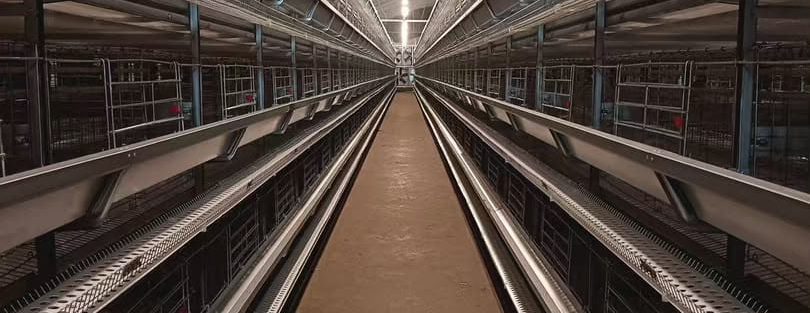
Poultry Cages for Sale in Uganda: A Complete Farmer’s Guide
Poultry farming is one of Uganda’s most promising agribusiness opportunities, providing farmers with income from eggs, meat, and other poultry products. However, as poultry enterprises grow, farmers need efficient housing systems that make it easier to manage birds, control disease, reduce feed wastage, and improve productivity.
One of the most effective housing solutions for commercial poultry farming is the poultry cage system. If you are searching for poultry cages for sale in Uganda, this guide explains the different types of cages, their benefits, factors to consider before buying, and how to choose the right cage system for your farm.
What Are Poultry Cages?
Poultry cages are specially designed housing units used to keep chickens in an organized and controlled environment. They are commonly used for layer chickens, particularly on commercial farms where farmers want to maximize egg production while making efficient use of available space.
Modern poultry cages are usually manufactured from galvanized steel wire to provide durability, ventilation, and resistance to rust. Depending on the farm’s size and production goals, cages can be installed as single units or arranged in multiple tiers.
For farmers looking for commercial poultry cages in Uganda, choosing a properly designed cage system can significantly improve daily poultry management.
Why Invest in Poultry Cages in Uganda?
The increasing demand for eggs and poultry meat has encouraged many Ugandan farmers to adopt more efficient production systems. Poultry cages offer several advantages over traditional deep-litter housing.
1. Efficient Use of Space
Poultry cages allow farmers to keep more birds within a relatively small area. Multi-tier cage systems make use of vertical space, making them suitable for commercial farms where land and housing space are limited.
2. Better Feed Management
Most cage systems have specially designed feeding troughs that help reduce feed spillage. This can help farmers control feeding costs, which are among the major expenses in poultry production.
3. Easier Egg Collection
For layer farmers, cage systems can make egg collection faster and more convenient. Eggs are usually laid onto a sloping platform where they can be collected from outside the cage.
4. Improved Hygiene
Because birds are separated from their droppings, cage systems can make it easier to maintain a cleaner production environment. Manure collection systems also simplify waste management.
5. Better Monitoring of Birds
Individual birds can be monitored more easily for feeding, egg production, injuries, or signs of illness. This can help farmers identify problems early.
6. Reduced Egg Breakage
Properly designed layer cages allow eggs to roll gently toward a collection area. This can reduce the chances of eggs being stepped on or damaged compared with some traditional housing systems.
Types of Poultry Cages Available
Farmers can choose from several cage designs depending on flock size and budget.
Layer Chicken Cages
Layer cages are specifically designed for egg-producing chickens. They normally include feeding troughs, drinking systems, egg collection areas, and manure management features.
They are ideal for farmers searching for layer cages for sale in Uganda and planning commercial egg production.
A-Type Poultry Cages
A-type cages are arranged in a structure resembling the letter “A.” They are popular among small- and medium-scale farmers because they are relatively simple to install and manage.
H-Type Poultry Cages
H-type cages are designed for larger commercial poultry operations. They can accommodate a high number of birds and may include automated feeding, drinking, manure removal, and egg collection systems.
Battery Cage Systems
Battery cages consist of rows of individual cage compartments arranged together. They are designed to maximize housing capacity and make commercial layer management more organized.
What to Consider Before Buying Poultry Cages in Uganda
Choosing the cheapest poultry cage is not always the best decision. Farmers should consider several factors before making a purchase.
Number of Birds
First determine how many chickens you intend to keep. A cage system for 200 layers will have different requirements from one designed for 2,000 or 10,000 birds.
Cage Quality
Look for cages made from strong, corrosion-resistant galvanized material. Good-quality cages should withstand Uganda’s climate and regular farm use.
Ventilation
Proper airflow is essential for poultry health. The cage system should allow adequate ventilation while protecting birds from harsh weather conditions.
Feeding and Drinking Systems
Consider whether the cages come with feeding troughs and nipple drinkers. Efficient feeding and drinking systems can save labor and reduce wastage.
Manure Management
A good cage system should make manure removal easy. Farmers should consider whether manure trays, belts, or other collection systems are appropriate for their operation.
Installation and After-Sales Support
Buying a cage is only part of the investment. Farmers should also consider whether the supplier provides installation guidance, spare parts, maintenance support, and technical advice.
How Much Do Poultry Cages Cost in Uganda?
The price of poultry cages in Uganda varies depending on several factors, including cage capacity, material quality, number of tiers, accessories, automation level, transportation, and installation.
Small-scale systems generally require a lower initial investment, while large commercial cage systems can cost considerably more because of their capacity and additional equipment.
Instead of comparing suppliers based only on price, farmers should evaluate the cost per bird housed, durability, included accessories, and expected lifespan of the cage system.
Poultry Cages vs. Deep-Litter System
Both cage and deep-litter systems have advantages. Deep-litter housing may have lower initial equipment costs and is widely used by small-scale farmers. However, cage systems can provide better space utilization and make egg collection and bird monitoring more efficient.
The right choice depends on the farmer’s budget, available land, flock size, management skills, and production objectives.
Why Choose Aaron Vet Farms Ltd?
For farmers planning to invest in poultry equipment, getting advice from an experienced poultry supplier is important. Aaron Vet Farms Ltd supports poultry farmers with practical solutions designed to improve poultry production and farm management.
Before purchasing cages, farmers should understand their flock requirements, available housing space, feeding system, water supply, ventilation, manure management, and future expansion plans.
A well-planned poultry housing system can help transform a small poultry enterprise into a more organized and commercially sustainable farm.
Tips for Maintaining Poultry Cages
Proper maintenance can extend the lifespan of your poultry cages.
Clean feeding and drinking equipment regularly.
Check cage wires for damage or rust.
Repair broken cage sections immediately.
Keep the poultry house well ventilated.
Remove accumulated manure regularly.
Ensure drinkers are functioning properly.
Avoid overcrowding birds.
Maintain proper biosecurity around the poultry house.
Inspect cage doors and egg collection areas regularly.
Final Thoughts
Investing in quality poultry cages for sale in Uganda can be an important step toward improving commercial poultry production. From better space utilization and easier egg collection to improved feeding management and hygiene, cage systems can provide numerous benefits when properly installed and managed.
However, the best poultry cage depends on your flock size, budget, farm design, and long-term production goals. Before purchasing, compare cage quality, capacity, accessories, installation services, durability, and after-sales support.
For professional guidance on poultry housing, equipment, and poultry farming solutions, farmers can contact Aaron Vet Farms Ltd and discuss the most suitable cage system for their poultry enterprise.