
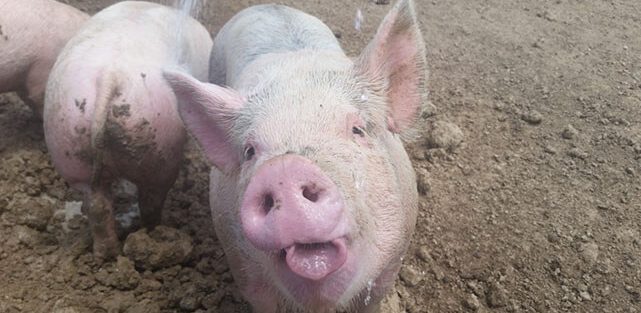
How to Turn Pig Manure Into Valuable Farm Fertilizer
Pig farming produces more than meat and income. It also produces a valuable resource that many farmers overlook: pig manure. Instead of treating manure as waste, pig farmers can properly collect, compost, and use it as organic fertilizer to improve soil fertility, reduce fertilizer costs, and support sustainable farming.
For farmers in Uganda, learning how to turn pig manure into fertilizer can create an important connection between piggery farming and crop production. Properly managed pig manure can provide organic matter and plant nutrients while helping farmers make better use of resources available on the farm.
At Aaron Vet Farms Ltd, we encourage farmers to look at pig manure as part of an integrated farming system rather than simply something that needs to be disposed of.
What Is Pig Manure?
Pig manure consists mainly of pig feces and urine, together with bedding materials, leftover feed, water, and other organic matter from the piggery.
Fresh pig manure contains nutrients such as nitrogen, phosphorus, and potassium, which are important for plant growth. However, fresh manure should not normally be applied directly to crops that will soon be harvested because it can contain harmful microorganisms and may be too strong for plants.
Proper processing, especially composting pig manure, makes it safer and easier to handle while improving its usefulness as an organic soil amendment.
Why Turn Pig Manure Into Fertilizer?
There are several reasons why farmers should consider recycling pig manure.
1. Improves Soil Fertility
Composted pig manure adds organic matter to the soil. Organic matter can improve soil structure, moisture retention, aeration, and the soil’s ability to support healthy plant growth.
This can be particularly useful on farms where continuous cultivation has reduced soil organic matter.
2. Reduces Fertilizer Costs
Commercial fertilizers can represent a significant cost for farmers. Using properly processed manure can help reduce dependence on purchased soil amendments, although manure nutrient content varies and should not automatically be treated as a complete replacement for mineral fertilizer.
3. Provides an Additional Farm Resource
A piggery produces manure every day. Instead of paying for waste disposal or allowing manure to accumulate around the pig house, farmers can convert it into a useful agricultural input.
4. Supports Sustainable Agriculture
Recycling pig manure helps create a more circular farming system. Nutrients from livestock production can be returned to crop fields instead of being lost as waste.
How to Make Fertilizer From Pig Manure
The easiest method for many farmers is composting.
Step 1: Collect the Manure Properly
Collect pig manure regularly from the piggery and move it to a designated composting area.
Avoid allowing manure to flow directly into streams, drainage channels, wells, or other water sources. Runoff from manure can cause environmental pollution.
A good manure collection system should make cleaning the piggery easier while keeping the waste contained.
Step 2: Choose a Suitable Composting Area
Select a shaded, well-drained location away from wells and surface water.
The composting area should be accessible but should not be located where heavy rain can wash manure away.
You can make a simple compost pile on the ground or use a designated composting structure.
Step 3: Mix Pig Manure With Dry Organic Materials
Pig manure can be mixed with materials such as:
Dry grass
Crop residues
Leaves
Straw
Sawdust or wood shavings
Chopped plant materials
These carbon-rich materials help balance the moisture and nitrogen content of the manure and improve the composting process.
Avoid adding plastics, chemical containers, treated materials, or other contaminants to the compost.
Step 4: Maintain the Right Moisture
The compost pile should be moist but not waterlogged.
If it is extremely dry, decomposition will be slow. If it is excessively wet, air movement can be restricted and unpleasant odors may develop.
If necessary, add water gradually while building the pile. During heavy rains, protect the pile from excessive rainfall.
Step 5: Turn the Compost Regularly
Turning introduces oxygen into the pile and helps mix materials.
Use a fork or suitable farm tool to turn the compost periodically. Moving material from the outside toward the center can help produce more uniform decomposition.
The compost pile should gradually heat up as microorganisms break down the organic materials.
Step 6: Allow the Manure to Decompose Fully
Do not rush the process.
Well-composted manure is generally dark, crumbly, and has an earthy smell. Original manure and plant materials should be substantially broken down.
The exact composting time varies depending on moisture, temperature, materials, pile size, aeration, and management.
How to Use Composted Pig Manure on the Farm
Once the manure has been properly composted, it can be incorporated into soil before planting crops.
It can be useful for crops such as:
Maize
Vegetables
Bananas
Fruits
Beans
Root crops
Pasture and forage
Apply manure based on soil conditions, crop requirements, and the quality of the compost. More is not always better.
For commercial farming, soil testing can help determine nutrient requirements and guide the use of manure alongside other fertilizers.
Important Safety Precautions
Proper manure management is essential for protecting farmers, livestock, consumers, and the environment.
Farmers should:
Avoid using fresh pig manure directly on food crops that are close to harvest.
Keep manure away from drinking-water sources.
Wear gloves and appropriate protective clothing when handling manure.
Wash hands and equipment after handling manure.
Prevent manure runoff during heavy rainfall.
Keep children and animals away from manure storage areas.
Follow recommended composting and manure-management practices.
If you are uncertain about the safest way to use pig manure on a particular crop, consult an agricultural extension officer or qualified animal and crop production professional.
Pig Manure and Integrated Farming in Uganda
One of the biggest advantages of pig manure fertilizer is its role in integrated farming.
A farmer can raise pigs, collect manure, compost it, and use the finished compost on crops. Crop residues can then potentially be incorporated into livestock or composting systems where appropriate.
This approach helps farmers maximize available resources and can reduce waste on the farm.
For smallholder farmers in Uganda, this can be an affordable way to improve soil management while adding value to piggery operations.
Final Thoughts
Pig manure should not simply be viewed as waste. With proper collection, composting, storage, and application, it can become a valuable source of organic matter and nutrients for crop production.
Turning pig manure into fertilizer can help farmers improve soil health, reduce some input costs, manage piggery waste responsibly, and build a more sustainable farming system.
At Aaron Vet Farms Ltd, we believe successful pig farming goes beyond keeping healthy pigs. Good manure management, proper housing, feeding, biosecurity, veterinary care, and responsible farm planning all contribute to a productive and sustainable piggery.
If you are planning to start or improve a pig farm in Uganda, proper manure management should be part of your farm plan from the beginning.