
Pig Farming Value Chain: From Piglet Production to Market
Pig farming is one of the most promising livestock enterprises in Uganda, offering farmers opportunities to earn income through piglet production, pork production, breeding stock, and the sale of mature pigs. However, profitable pig farming requires more than simply keeping pigs. Farmers need to understand the pig farming value chain—from breeding and piglet production to feeding, health management, growth, marketing, and final sale.
For farmers looking to establish or expand a profitable piggery business, understanding every stage of the value chain can help reduce production costs, improve pig performance, and increase profits.
What Is the Pig Farming Value Chain?
The pig farming value chain refers to all the activities involved in producing pigs and getting pork or live pigs to the final consumer. It includes breeding, farrowing, piglet production, feeding, veterinary care, housing, growing and finishing, transportation, marketing, slaughter, pork processing, and retailing.
Each stage is connected. Poor management at one stage can affect profitability at the next. For example, poor-quality breeding stock may produce weak piglets, while inadequate feeding can result in slow growth and higher production costs.
A successful pig farmer therefore needs to manage the entire production process carefully.
1. Breeding and Selection of Quality Pigs
The pig farming value chain begins with the selection of good breeding animals. Farmers should select healthy sows and boars with desirable characteristics such as good growth rate, strong body structure, high fertility, good mothering ability, and resistance to common diseases.
Choosing the right genetics is important because breeding stock influences the quality and performance of future piglets.
Farmers should avoid breeding animals with poor growth, reproductive problems, deformities, or a history of frequent illness.
Proper breeding management also requires keeping records of mating dates, expected farrowing dates, litter sizes, and reproductive performance.
2. Piglet Production
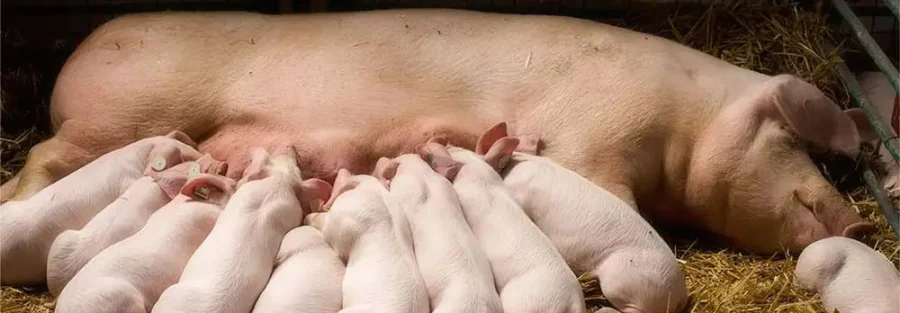
Piglet production is one of the most important stages in commercial pig farming. A healthy sow should be provided with proper nutrition, clean housing, adequate water, and appropriate veterinary care throughout pregnancy.
Before farrowing, the sow should be moved to a clean and comfortable farrowing area. Newborn piglets require immediate attention, including access to colostrum, warmth, clean surroundings, and proper management of the umbilical cord.
Piglets should also receive appropriate vaccinations and other preventive health measures according to advice from a qualified veterinarian.
Farmers should monitor piglet mortality closely because losses during the early stages can significantly reduce farm profitability.
3. Weaning and Early Piglet Management
After birth, piglets gradually transition from depending mainly on their mother’s milk to consuming solid feed. Proper weaning management helps pigs maintain healthy growth and reduces unnecessary stress.
Piglets should receive quality creep feed containing the nutrients required for growth. Clean drinking water should always be available.
The housing area should be dry, clean, well ventilated, and protected from extreme temperatures.
Good early management produces stronger pigs that can perform better during the grower and finishing stages.
4. Feeding and Nutrition
Feed is usually one of the largest costs in commercial pig farming. Proper nutrition is therefore essential for controlling production costs and achieving good growth rates.
Pig diets should provide appropriate levels of energy, protein, minerals, vitamins, and other essential nutrients according to the pig’s stage of growth.
Farmers should avoid feeding pigs poor-quality or contaminated feed. Sudden changes in diet should also be minimized because they can cause digestive problems.
A good feeding program should cover different stages, including:
Piglet feeding
Weaner feeding
Grower feeding
Finisher feeding
Sow and boar nutrition
Efficient feed management helps farmers achieve better feed conversion, faster growth, and improved profitability.
5. Pig Health and Disease Prevention
Healthy pigs grow faster and convert feed more efficiently. Disease outbreaks, on the other hand, can cause high mortality, slow growth, increased treatment costs, and major financial losses.
Farmers should establish strong pig farm biosecurity practices. These include restricting unnecessary farm visitors, disinfecting equipment, quarantining newly purchased animals, maintaining clean housing, controlling rodents, and properly disposing of dead animals.
Regular veterinary supervision is also important. Farmers should work with qualified veterinary professionals to develop appropriate vaccination, deworming, disease monitoring, and treatment programs.
Early detection of disease is especially important. Signs such as loss of appetite, coughing, diarrhea, fever, weakness, unusual behavior, or sudden deaths should receive immediate attention.
6. Growing and Finishing Pigs
Once piglets are weaned, they enter the grower and finishing stages. The objective is to achieve healthy and efficient weight gain while controlling feed and management costs.
Farmers should monitor body weight, feed consumption, growth rate, and general health.
Good housing is essential. Pigsties should provide adequate space, proper drainage, ventilation, shade, clean water, and easy access for cleaning.
Overcrowding should be avoided because it can increase stress, competition for feed, injuries, and disease transmission.
7. Transportation and Handling
Transportation is another important part of the pig farming value chain. Poor handling can cause injuries, stress, weight loss, and even death.
Farmers and traders should use suitable transportation methods and avoid overcrowding pigs during transit. Animals should be handled calmly and carefully.
Planning transportation properly can reduce unnecessary losses between the farm and market.
8. Pig Marketing and Market Access
Producing pigs is only one part of running a profitable pig farming business. Farmers also need a reliable market.
Potential buyers include:
Pork butcheries
Restaurants and hotels
Pork joints
Local traders
Meat processors
Individual consumers
Other farmers looking for breeding stock
Farmers should research market prices before selling and avoid relying on only one buyer.
Keeping production records can also help farmers calculate the actual cost of producing each pig. This makes it easier to negotiate prices and determine whether the enterprise is profitable.
9. Pork Processing and Value Addition
Farmers can potentially increase the value of pigs beyond selling live animals. The pork value chain may include slaughtering, meat processing, packaging, storage, transportation, and retailing.
Value-added pork products can include sausages, smoked pork, bacon, and other processed meat products, subject to applicable food safety and regulatory requirements.
Value addition can create additional income opportunities while connecting farmers with larger and more diverse markets.
10. How Aaron Vet Farms Ltd Supports Pig Farmers
At Aaron Vet Farms Ltd, we understand that successful pig farming depends on good management across the entire value chain.
Farmers need access to quality livestock inputs, reliable veterinary guidance, proper feeding practices, disease prevention strategies, and practical knowledge about commercial pig production.
Whether you are starting a small piggery or expanding into commercial pig farming, professional support can help you make better decisions at every stage—from breeding and piglet management to health, feeding, growth, and marketing.
Conclusion
The pig farming value chain in Uganda provides opportunities for farmers to generate income at several stages, from producing quality piglets to raising mature pigs for pork markets. However, profitability depends on managing every stage efficiently.
Farmers who invest in quality breeding stock, proper pig housing, balanced nutrition, biosecurity, veterinary care, accurate record keeping, and reliable markets are better positioned to build sustainable pig farming businesses.
The goal should not simply be to keep more pigs—it should be to produce healthy pigs efficiently, minimize losses, control costs, and connect production to profitable markets.
For farmers planning to start or improve a commercial piggery, understanding the complete value chain is the foundation for long-term success.