
How to Transition Chickens From Deep Litter to Cage Systems
By Aaron Vet Farms Ltd
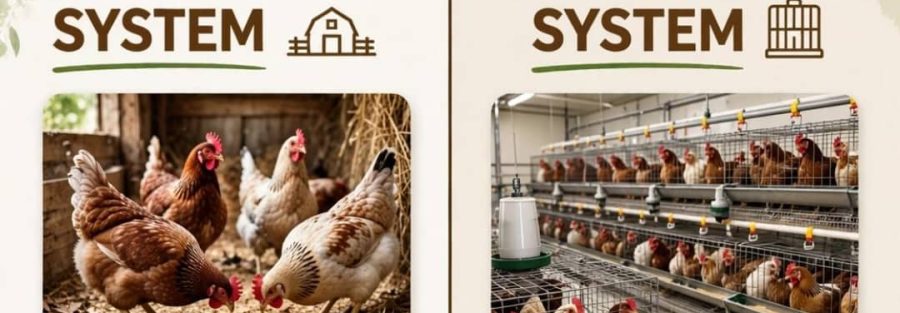
Moving chickens from a deep litter system to a cage system can improve farm organization, egg collection, hygiene, feed management, and overall productivity. However, the transition should be carefully planned to minimize stress and ensure that birds adapt comfortably to their new environment.
For poultry farmers considering cage poultry farming in Uganda, understanding how to move birds from deep litter to cages is essential. At Aaron Vet Farms Ltd, we encourage farmers to prioritize proper preparation, bird welfare, nutrition, biosecurity, and close monitoring throughout the transition.
Why Transition From Deep Litter to Cages?
Deep litter farming is widely practiced by poultry farmers, but cage systems can offer several advantages, particularly for commercial layer production.
A well-managed cage system can help farmers:
Maximize the use of available poultry house space
Make egg collection easier and more efficient
Reduce contact between birds and manure
Improve feed and water management
Monitor individual birds more easily
Reduce egg breakage and contamination
Improve farm hygiene and record keeping
Manage larger layer flocks more efficiently
However, cages are not automatically more productive. Good results depend on proper cage design, stocking density, ventilation, nutrition, lighting, water supply, and management.
1. Choose the Right Time for Transition
Timing is one of the most important factors when moving chickens from deep litter to cages.
Avoid moving birds during periods of extreme heat, disease outbreaks, or other stressful farm conditions. Birds should be healthy and strong enough to cope with handling and environmental changes.
For commercial layers, farmers should plan the transition according to the flock’s age, production stage, housing design, and management system. Consult a qualified poultry professional or veterinarian when determining the best timing for your flock.
2. Prepare the Cage House Before Moving the Birds
Never move chickens into an unprepared cage house.
Before the transition, thoroughly clean and disinfect the poultry house and cages. Check that all cages are structurally sound and that there are no sharp edges or damaged wires that could injure birds.
The following should be ready before birds arrive:
Clean and functional drinkers
Properly positioned feeders
Adequate ventilation
Appropriate lighting
Clean cages
Manure collection facilities
Reliable water supply
Proper drainage and waste management
Biosecurity measures
Farmers should also check the water lines to make sure every section of the cage house receives adequate water.
3. Avoid Overcrowding
Correct stocking density in poultry cages is critical.
Overcrowding can increase competition for feed and water, cause stress, encourage aggressive behavior, and contribute to poor production and health problems.
Follow the manufacturer’s recommended stocking capacity for the cage model being used. The number of birds per cage should also be appropriate for the birds’ size and production stage.
Remember: maximizing the number of birds per cage does not necessarily maximize profit.
4. Handle Chickens Carefully
Birds should be handled calmly during the transition.
Avoid chasing chickens aggressively around the poultry house. Excessive handling and rough treatment can cause injuries, stress, and unnecessary mortality.
Ideally, move birds during cooler parts of the day. Hold birds securely without squeezing the chest, and transfer them carefully into the cages.
Farm workers should be trained on proper bird handling before the exercise begins.
5. Give Birds Time to Adapt
Chickens accustomed to walking freely on deep litter may initially behave differently after being placed in cages.
Some birds may appear restless or confused. Others may take time to locate the feed and drinking points.
During the first few days, closely observe the flock and make sure birds are:
Eating normally
Drinking enough water
Standing and moving normally
Using the feeders
Finding the drinkers
Producing eggs normally
Showing no signs of injury or excessive stress
Promptly investigate unusual behavior, increased mortality, reduced feed intake, or a sudden decline in egg production.
6. Maintain Proper Feeding and Nutrition
Nutrition is particularly important during and after the transition.
Moving birds to cages changes their movement and energy expenditure, while the production stage of the flock determines its nutritional requirements. Provide a properly formulated layer ration suitable for the birds’ age and production level.
Essential nutrients include adequate protein, energy, calcium, phosphorus, vitamins, and minerals.
Clean, fresh water must be available at all times. A temporary reduction in water intake can quickly affect poultry health and egg production, particularly in hot weather.
Farmers should work with a poultry nutritionist or veterinarian when adjusting diets.
7. Maintain Good Ventilation and Temperature
Cage houses require excellent ventilation because birds are kept at higher densities and manure can accumulate beneath or around the cages.
Poor ventilation may result in heat stress, unpleasant odors, high ammonia levels, respiratory problems, and reduced performance.
Ensure that fresh air can circulate through the poultry house without creating harmful drafts. During hot conditions, provide additional measures to keep birds comfortable.
8. Monitor Egg Production After the Move
Egg production records are an excellent way to determine how well the flock is adapting.
Record daily:
Number of eggs collected
Broken or cracked eggs
Feed consumption
Water consumption
Mortality
Number of sick or injured birds
Egg quality
A temporary change in production can occur following stressful handling, but persistent declines should be investigated.
Good records help farmers identify problems early and make informed management decisions.
9. Strengthen Biosecurity
Transitioning chickens between housing systems is an excellent opportunity to review farm biosecurity.
Limit unnecessary visitors, disinfect equipment, control rodents and wild birds, and maintain clean footwear and protective clothing around the poultry house.
Manure should be removed and managed properly because accumulated poultry waste can increase disease and ammonia risks.
Regular cleaning and disinfection should form part of the farm’s routine poultry disease prevention program.
10. Monitor Birds Closely During the First Week
The first several days are particularly important.
Farm workers should inspect cages regularly rather than assuming that birds are adapting normally. Look for birds that cannot reach feed or water, birds trapped in cages, injuries, abnormal droppings, respiratory symptoms, or unusual mortality.
Any sick or injured bird should be assessed promptly.
Common Mistakes to Avoid
Farmers transitioning from deep litter to cages should avoid:
Moving unhealthy birds
Overcrowding cages
Using poorly designed cages
Failing to check drinkers before stocking
Changing feed unnecessarily at the same time
Moving birds during extreme heat
Rough handling
Ignoring ventilation problems
Failing to monitor production records
Neglecting biosecurity
A successful transition depends on preparation rather than simply placing birds into cages.
Final Thoughts
Transitioning chickens from deep litter to cage systems can be a valuable step for farmers seeking more organized and efficient layer production. However, success requires careful preparation, proper cage stocking, gentle bird handling, good nutrition, reliable water supply, ventilation, hygiene, and continuous monitoring.
If you are planning to introduce cage poultry farming in Uganda, professional guidance can help you select an appropriate system and develop a management plan suited to your flock and farm objectives.
Aaron Vet Farms Ltd supports poultry farmers with practical knowledge and veterinary-focused solutions for better poultry health, productivity, and farm management.