
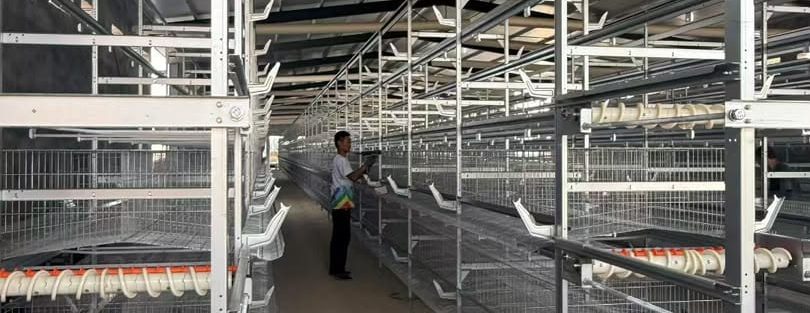
How Long Do Poultry Cages Last? Maintenance and Replacement Guide
Poultry cages are an important investment for farmers who want to improve bird management, maximize available space, maintain hygiene, and increase farm productivity. Whether you are keeping layers, breeders, or other commercial poultry, the lifespan of your cages depends on the quality of materials, installation, environmental conditions, bird density, and how well the cages are maintained.
At Aaron Vet Farms Ltd, we understand that poultry farmers need durable equipment that provides value for money. In this guide, we explain how long poultry cages last, what affects their lifespan, how to maintain them, and when it is time to replace them.
How Long Do Poultry Cages Last?
The average lifespan of a good-quality poultry cage can range from 5 to 15 years or more, depending on the type of cage and the conditions under which it is used.
High-quality galvanized poultry cages generally last longer because they are resistant to rust and corrosion. However, cages exposed to excessive moisture, corrosive manure, poor cleaning practices, or rough handling may deteriorate much faster.
A cage that is properly installed, regularly inspected, cleaned, and repaired can remain functional for many years.
Factors That Determine Poultry Cage Lifespan
Several factors influence how long your poultry cages will serve your farm.
1. Quality of construction materials
The quality of wire, metal frames, welds, feeders, drinkers, and other components directly affects durability. Galvanized steel is commonly preferred because it provides better protection against corrosion.
2. Farm environment
Humidity, rainfall, ventilation, and exposure to moisture can accelerate rust. Poultry houses with poor drainage or excessive humidity can reduce cage lifespan.
3. Manure management
Accumulated poultry manure contains moisture and compounds that can contribute to corrosion. Regular removal of manure helps protect cage frames and wire mesh.
4. Bird stocking density
Overcrowding can put additional pressure on cage floors and structures. Keeping the recommended number of birds per cage helps prevent unnecessary damage.
5. Maintenance practices
Regular inspection and timely repairs can significantly extend the useful life of poultry cages. Small problems should not be ignored because damaged wires or weakened frames can become bigger and more expensive problems.
Signs That Your Poultry Cages Need Maintenance
Regular inspection should be part of your poultry farm management routine. Look for signs such as:
Rust appearing on cage wires or frames
Broken or loose wires
Bent cage doors
Damaged floors
Loose welds or joints
Cracked or damaged feeders
Leaking drinkers
Sharp edges that could injure birds
Unstable cage frames
Drooping or weakened cage floors
Addressing these problems early can prevent injuries to birds and reduce replacement costs.
How to Maintain Poultry Cages
Proper maintenance is one of the best ways to extend the lifespan of your poultry cages.
1. Clean the Cages Regularly
Cleaning reduces manure accumulation, dust, bacteria, and corrosive substances. Depending on the cage system and farm management practices, clean and disinfect the housing areas regularly.
Avoid leaving wet manure around metal components for extended periods.
2. Control Moisture
Moisture is one of the biggest enemies of metal poultry equipment. Ensure that the poultry house has adequate ventilation and that water systems do not leak.
Repair leaking drinkers and pipes immediately.
3. Inspect Cages Routinely
Farm workers should inspect cages regularly for broken wires, loose joints, damaged floors, and sharp edges.
A simple inspection schedule can help identify problems before they become major repairs.
4. Repair Small Damages Quickly
A broken cage wire may seem insignificant, but it can injure birds or weaken the cage structure. Replace damaged wires and repair loose components as soon as possible.
5. Maintain Feeding and Drinking Systems
Feeders and drinkers are essential parts of many poultry cage systems. Check them regularly for blockages, leaks, cracks, and loose fittings.
Properly maintained equipment reduces feed and water wastage while keeping the poultry house cleaner.
6. Prevent Overloading
Do not exceed the recommended bird capacity of a cage. Overloading can damage cage floors and place unnecessary stress on the supporting structure.
Proper poultry stocking density also contributes to better bird welfare and productivity.
When Should Poultry Cages Be Replaced?
There is no single replacement date that applies to every poultry cage. Instead, farmers should assess the physical condition and safety of their equipment.
Replacement may be necessary when:
Rust has significantly weakened the cage structure.
Cage floors can no longer safely support birds.
Multiple wires are broken or damaged.
Frames have become unstable.
Sharp or broken components repeatedly injure birds.
Repairs are becoming frequent and expensive.
Feeders and drinkers are beyond economical repair.
The cage design no longer suits the farm’s production system.
If the cost of continuous repairs becomes higher than the value of maintaining old cages, investing in a new cage system may be more economical.
Why Quality Poultry Cages Are a Smart Investment
Good-quality poultry cages can help farmers use available housing space efficiently while making feeding, watering, egg collection, manure management, and bird monitoring easier.
For commercial layer farming in Uganda, choosing durable cages is particularly important because the equipment represents a significant part of the initial farm investment.
A well-designed cage system can contribute to:
Better space utilization
Easier egg collection
Improved farm hygiene
Efficient feeding and watering
Easier bird monitoring
Reduced egg contamination
Better manure management
Improved farm labor efficiency
However, cages should always be selected according to the farmer’s production goals, housing design, bird numbers, and available budget.
Tips for Making Poultry Cages Last Longer
Farmers can extend cage life by following a few simple practices:
Buy quality cages from a reliable supplier.
Ensure proper installation.
Avoid overcrowding birds.
Keep cages dry and clean.
Remove manure regularly.
Repair leaks immediately.
Inspect cage structures routinely.
Replace damaged wires and components promptly.
Avoid rough handling during cleaning or relocation.
Keep maintenance records.
Get Quality Poultry Solutions from Aaron Vet Farms Ltd
Choosing the right poultry equipment is an important step toward building an efficient and profitable poultry enterprise. At Aaron Vet Farms Ltd, we support poultry farmers with practical solutions designed to improve poultry management and farm productivity.
Whether you are starting a new layer farm, expanding an existing poultry enterprise, or replacing old equipment, investing in durable poultry cages and maintaining them properly can provide long-term value.
Conclusion
So, how long do poultry cages last? With proper construction materials, good installation, regular cleaning, moisture control, and timely repairs, quality poultry cages can serve a farm for 5–15 years or longer. The key is not simply buying durable cages but also maintaining them throughout their working life.
For poultry farmers, regular inspection and preventive maintenance are far cheaper than dealing with avoidable cage failures, bird injuries, and repeated equipment replacement. By taking care of your poultry cages, you protect your investment and create a safer, cleaner, and more efficient environment for your birds.