
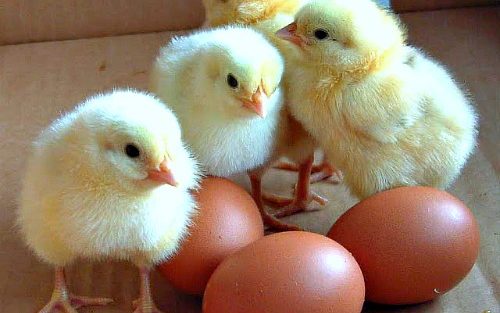
Production Summary for Layers: A Complete Guide to Profitable Egg Farming in Uganda
Layer poultry farming remains one of the most profitable agribusiness ventures in Uganda and across East Africa. With the increasing demand for eggs due to population growth, urbanization, and improved nutrition awareness, investing in commercial layer production offers farmers a reliable source of daily income. However, success depends on proper management from chick brooding to the end of the laying cycle.
At Aaron Vet Farms Ltd, we help poultry farmers maximize egg production through quality day-old chicks, veterinary support, vaccination programs, feed recommendations, and professional farm management advice. This production summary provides a practical overview of the entire layer production cycle and the key factors that determine profitability.
Understanding Layer Production
Layers are chickens specifically bred for egg production rather than meat. Commercial layers usually begin laying eggs between 18 and 20 weeks of age and continue producing for approximately 72–80 weeks, depending on management practices.
A healthy layer flock can achieve over 90% peak egg production, making proper nutrition, housing, disease prevention, and biosecurity essential.
Layer Production Stages
1. Brooding Stage (0–8 Weeks)
The brooding stage is the foundation of successful egg production.
Key management practices include:
Maintain brooder temperature between 32–35°C during the first week.
Reduce temperature gradually every week.
Provide clean drinking water at all times.
Feed quality chick mash.
Vaccinate according to the recommended vaccination schedule.
Maintain strict biosecurity.
Good brooding management reduces chick mortality and ensures uniform growth.
2. Grower Stage (9–18 Weeks)
During this stage, birds develop strong bones, muscles, and reproductive organs.
Management practices include:
Feed quality growers mash.
Avoid overfeeding to prevent obesity.
Provide adequate lighting.
Deworm regularly.
Monitor body weight.
Separate weak birds.
Proper management during this period prepares birds for high egg production.
3. Laying Stage (18–80 Weeks)
This is the most productive phase of the flock.
Birds require:
Balanced layer mash rich in calcium.
Constant access to clean water.
Proper ventilation.
Adequate nesting boxes.
16 hours of light daily.
Routine vaccination and disease monitoring.
Peak egg production usually occurs between 28 and 35 weeks of age.
Expected Production Performance
Under proper management, a commercial layer flock should achieve the following:
Age Expected Performance
18–20 weeks Start laying eggs
24 weeks 70–80% production
28–35 weeks Peak production (90–95%)
36–60 weeks Stable production (85–90%)
61–80 weeks Gradual decline
A well-managed hen can produce 300–330 eggs during her productive lifetime.
Feeding Requirements
Feed accounts for approximately 70% of poultry production costs, making nutrition the most important investment.
Chick Mash (0–8 weeks)
Supports rapid growth and immunity.
Protein:
20–22%
Growers Mash (9–18 weeks)
Supports body development.
Protein:
16–18%
Layers Mash (18 weeks onwards)
Supports egg production and shell quality.
Protein:
16–18%
Calcium:
3.5–4.5%
Avoid changing feeds abruptly as this may reduce egg production.
Water Management
Water is often overlooked, yet it directly affects egg production.
Each laying hen drinks between 200–300 ml of water daily depending on weather conditions.
Ensure:
Fresh clean water
Clean drinkers daily
No water contamination
Constant supply
Water shortages can immediately reduce egg production.
Lighting Program
Light stimulates egg production.
Recommended lighting schedule:
Growing birds: 10–12 hours
Layers: 16 hours daily
Supplement natural daylight using electric lighting where necessary.
Housing Requirements
Proper housing improves bird comfort and productivity.
The poultry house should provide:
Good ventilation
Dry litter
Adequate space
Protection from predators
Easy cleaning
Proper drainage
Avoid overcrowding since it increases disease outbreaks and reduces production.
Biosecurity Measures
Disease prevention is cheaper than treatment.
Aaron Vet Farms Ltd recommends:
Restrict visitors.
Disinfect footwear.
Clean equipment regularly.
Isolate sick birds.
Dispose of dead birds properly.
Control rodents and wild birds.
Vaccinate on schedule.
Strong biosecurity significantly reduces production losses.
Common Diseases Affecting Layers
Major diseases include:
Newcastle Disease
Infectious Bursal Disease (Gumboro)
Fowl Typhoid
Coccidiosis
Fowl Pox
Infectious Bronchitis
Mycoplasmosis
Regular vaccination and veterinary support greatly reduce these risks.
Egg Collection and Handling
Collect eggs at least 3–4 times daily.
Proper handling involves:
Using clean trays
Removing cracked eggs
Storing eggs in cool conditions
Avoiding direct sunlight
Maintaining hygiene
Proper handling improves egg quality and market value.
Factors Affecting Egg Production
Several factors influence laying performance:
Nutrition
Poor nutrition leads to reduced egg numbers and weak shells.
Disease
Disease outbreaks can reduce production dramatically.
Stress
Stress caused by transport, predators, noise, or overcrowding affects laying.
Insufficient light delays or reduces production.
Genetics
Purchase quality layer chicks from trusted suppliers.
Water
Clean water is essential for daily egg production.
Culling and End of Production
Production gradually declines after 72–80 weeks.
Farmers may then:
Sell spent layers.
Replace with new pullets.
Clean and disinfect poultry houses before introducing another flock.
Proper planning ensures continuous production cycles.
Profitability Tips
To maximize profits:
Buy quality day-old chicks.
Follow vaccination schedules.
Feed quality balanced rations.
Maintain excellent biosecurity.
Keep accurate production records.
Reduce feed wastage.
Monitor egg production daily.
Seek veterinary advice whenever necessary.
Why Choose Aaron Vet Farms Ltd?
Aaron Vet Farms Ltd is committed to helping poultry farmers achieve sustainable success through professional poultry management services.
Our services include:
Quality day-old layer chicks
Poultry vaccines and veterinary drugs
Farm consultation services
Poultry equipment
Farmer training
Feed management guidance
Vaccination programs
Disease diagnosis and treatment
Whether you are starting with 100 birds or managing a commercial poultry farm of several thousand layers, our experienced team is ready to support your journey toward profitable egg production.
Conclusion
Layer farming remains one of the most rewarding agricultural enterprises when managed professionally. Success depends on proper brooding, balanced nutrition, effective disease control, quality housing, and sound biosecurity practices. By following recommended production guidelines and working with experienced poultry professionals, farmers can achieve high egg production, lower mortality, and increased profits.
At Aaron Vet Farms Ltd, we are dedicated to empowering poultry farmers with quality chicks, veterinary services, and expert advice that translates into healthier birds and better returns on investment. Whether you are a beginner or an experienced poultry producer, partnering with Aaron Vet Farms Ltd is a step toward a more productive and profitable layer farming enterprise.