
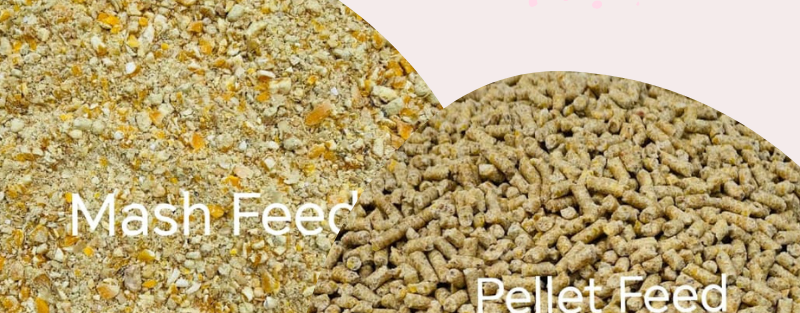
Feed Mash vs Feed Pellets: Which Animal Feed Is Best for Your Farm?
Feeding livestock with the right type of feed is one of the most important decisions any farmer can make. Whether you are raising broiler chickens, layer chickens, pigs, goats, cattle, or other livestock, nutrition directly influences growth, health, productivity, and profitability. Among the most common feed types available today are feed mash and feed pellets. While both are formulated to meet the nutritional requirements of animals, each offers unique advantages depending on the species, age, and production goals.
At Aaron Vet Farms Ltd, we are committed to supplying high-quality animal feeds that help farmers achieve maximum production while maintaining healthy livestock. Understanding the difference between feed mash and feed pellets will help you make informed feeding decisions for your farm.
What Is Feed Mash?
Feed mash is a finely ground mixture of cereals, protein sources, vitamins, minerals, amino acids, and other nutritional ingredients. Unlike pellets, mash remains loose and powdery, making it easy to mix and consume.
Mash feed is widely used for:
Layer chickens
Chicks
Pigs
Dairy cattle
Goats
Sheep
The ingredients are carefully blended to ensure every bite provides balanced nutrition without undergoing the pelleting process.
Benefits of Feed Mash
1. Lower Production Cost
Mash feed does not require pelletizing machinery, making it less expensive to manufacture. This often translates into more affordable feed prices for farmers.
2. Better Nutrient Preservation
Since mash is not exposed to the high temperatures involved in pellet production, many heat-sensitive vitamins and nutrients remain intact.
3. Ideal for Young Animals
Young chicks and piglets often consume mash more easily because of its fine texture. Starter mash encourages gradual feed intake while supporting healthy development.
4. Flexible Feeding Programs
Mash allows farmers to customize feed formulations according to specific livestock requirements or production stages.
5. Excellent for Layers
Many layer farmers prefer mash because it supports steady feed consumption and consistent egg production.
What Are Feed Pellets?
Feed pellets are produced by compressing finely ground feed ingredients into compact cylindrical shapes using specialized pellet mills. During the pelleting process, steam, moisture, pressure, and heat bind the ingredients together into uniform pellets.
Pellets are commonly used for:
Broiler chickens
Grower pigs
Beef cattle
Rabbits
Fish
Dairy animals
The pelleting process improves feed handling, reduces waste, and often enhances animal performance.
Benefits of Feed Pellets
Improved Feed Efficiency
Pellets reduce feed wastage because animals consume complete pellets rather than selecting individual ingredients.
Faster Weight Gain
Broilers and other meat-producing animals often gain weight faster on pellets because they expend less energy eating and receive balanced nutrition with every bite.
Better Feed Conversion Ratio (FCR)
Pellets improve feed conversion efficiency, meaning animals require less feed to gain the same amount of weight.
Reduced Feed Separation
Unlike mash, pellets prevent ingredients from settling or separating during transportation and storage.
Easier Storage and Transportation
Pellets produce less dust, are easier to handle, and remain cleaner during transport and storage.
Feed Mash vs Feed Pellets: Key Differences
Feature Feed Mash Feed Pellets
Texture Loose and powdery Compact cylindrical pellets
Cost Lower Slightly higher
Feed Waste Moderate Minimal
Growth Performance Good Excellent
Feed Conversion Moderate High
Dust Production Higher Lower
Storage Good Excellent
Suitable For Layers, chicks, pigs Broilers, rabbits, cattle
Which Feed Should You Choose?
The best choice depends on your farming objectives.
Choose feed mash if you:
Raise layer chickens
Need economical feeding options
Feed young chicks or piglets
Prefer flexible feed formulations
Choose feed pellets if you:
Raise broiler chickens
Want faster growth rates
Aim to minimize feed wastage
Focus on commercial meat production
Want improved feed conversion efficiency
Many successful farmers use both feed types at different production stages. For example, chicks may begin on starter mash before transitioning to grower or finisher pellets as they mature.
Why Feed Quality Matters
Regardless of whether you choose mash or pellets, feed quality determines animal performance. Poor-quality feed can result in:
Slow growth
Reduced egg production
Poor immunity
Disease outbreaks
High mortality
Increased production costs
Quality feed contains balanced protein, carbohydrates, fats, vitamins, minerals, and clean ingredients that support optimal animal health.
Aaron Vet Farms Ltd: Your Trusted Animal Feed Partner
At Aaron Vet Farms Ltd, we understand that every farmer deserves reliable, nutritious, and affordable animal feeds. Our feeds are carefully formulated using high-quality ingredients and modern manufacturing standards to ensure livestock receive complete nutrition.
Our feed solutions include:
Chick Starter Feed
Broiler Starter Feed
Broiler Grower Feed
Broiler Finisher Feed
Layer Starter Feed
Layer Grower Feed
Layer Mash
Pig Feeds
Dairy Feeds
Custom Livestock Feed Formulations
Every batch is produced with strict quality control to deliver consistent nutritional value and dependable farm performance.
Feeding Tips for Maximum Productivity
To achieve the best results from either mash or pellets:
Store feed in a cool, dry, and well-ventilated area.
Always provide clean, fresh drinking water.
Introduce new feeds gradually to avoid digestive stress.
Follow recommended feeding schedules for each production stage.
Monitor animal growth and adjust feed quantities as needed.
Purchase feed only from reputable manufacturers to ensure quality and consistency.
Conclusion
Both feed mash and feed pellets are excellent feeding options when matched to the right livestock and production goals. Feed mash offers affordability and flexibility, making it suitable for layers, chicks, and mixed farming systems. Feed pellets, on the other hand, provide superior feed efficiency, faster growth, and reduced wastage, making them ideal for commercial broiler and livestock production.
At Aaron Vet Farms Ltd, we are dedicated to helping farmers maximize productivity through premium-quality animal feeds tailored to different livestock species and growth stages. Whether you need nutritious feed mash, high-performance feed pellets, or expert guidance on animal nutrition, our team is ready to support your farming success.
Choose quality feeds today and invest in healthier animals, improved productivity, and greater profits with Aaron Vet Farms Ltd.