
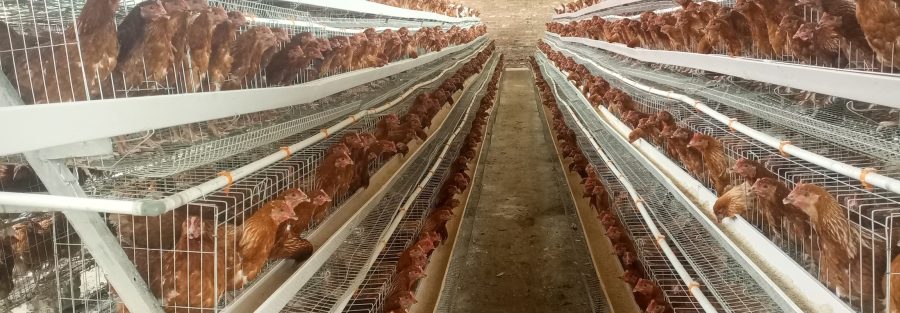
1,000 Layers in Cages: Complete Cost and Management Guide in Uganda
Keeping 1,000 layers in cages can be a profitable poultry farming venture when properly planned and managed. For farmers in Uganda, a commercial layer farm requires careful budgeting for cages, poultry housing, chicks or pullets, feeds, vaccines, labor, water, electricity, and other operating expenses.
This complete guide from Aaron Vet Farms Ltd explains the estimated cost of setting up 1,000 layers in cages, daily management requirements, feeding, egg production, profitability, and practical tips for running a successful commercial layer farm.
Why Keep 1,000 Layers in Cages?
Cage farming is increasingly used by commercial poultry farmers because it allows farmers to keep many birds in a relatively small space while making daily management easier.
With a properly designed cage system, farmers can benefit from:
Better use of poultry house space
Easier collection of eggs
Reduced contact between birds and manure
Better monitoring of individual birds
Easier feeding and watering
Improved farm hygiene
Reduced egg breakage and contamination
More efficient labor management
However, cage farming requires an initial investment in housing and cage equipment. Good management is essential to recover this investment and achieve consistent profits.
Estimated Cost of Starting 1,000 Layers in Cages
The actual cost of establishing a 1,000-layer farm in Uganda varies depending on the quality of materials, cage design, location, market prices, and whether the farmer purchases point-of-lay birds or starts with day-old chicks.
A typical startup budget may include the following:
Item Estimated Cost Range
Poultry house construction UGX 8–15 million
Layer cages UGX 8–15 million
1,000 pullets/layers UGX 15–25 million
Feeding equipment UGX 1–3 million
Watering system UGX 1–3 million
Feed for initial period UGX 8–15 million
Vaccines and medication UGX 1–2 million
Water and electricity installation UGX 1–3 million
Labor and miscellaneous costs UGX 1–3 million
Estimated total UGX 44–84 million
Note: These are planning estimates rather than fixed market prices. Actual costs should be confirmed with current suppliers before investing.
Farmers who already have a suitable poultry house, water system, or other infrastructure can significantly reduce the initial capital requirement.
Cost of Layer Cages for 1,000 Birds
The cage system is one of the major investments in a commercial layer project.
Farmers should choose cages according to the number of birds they intend to keep, available space, ventilation requirements, ease of cleaning, durability, and availability of spare parts.
A good layer cage should provide:
Adequate floor space per bird
Easy access to feed and water
Proper egg collection
Good ventilation
Easy manure removal
Strong and durable construction
Cheap cages may appear attractive initially, but poor-quality cages can create problems with injuries, egg breakage, rust, feeding, and maintenance.
Poultry House Requirements for 1,000 Layers
A poultry house for 1,000 layers should be designed to provide adequate ventilation, protection from predators, sufficient lighting, and comfortable temperatures.
The house should ideally be located on well-drained land away from stagnant water and excessive human traffic.
Important features include:
1. Good Ventilation
Proper airflow helps remove heat, moisture, dust, and harmful gases from the poultry house. Poor ventilation can contribute to respiratory problems and reduced production.
2. Reliable Water Supply
Layers require continuous access to clean drinking water. Water shortage can quickly reduce feed intake and egg production.
3. Proper Lighting
Lighting influences feed intake, sexual maturity, and egg production. A commercial layer operation should follow an appropriate lighting program based on the age and strain of the birds.
4. Biosecurity
Limit unnecessary visitors and maintain proper sanitation around the poultry house. Footbaths, clean equipment, pest control, and isolation of sick birds are important components of farm biosecurity.
Feeding 1,000 Layers
Feed is normally one of the largest recurring expenses in layer farming.
A commercial layer typically consumes approximately 110–120 grams of feed per day, depending on breed, age, environmental conditions, feed quality, and production level.
For 1,000 layers, this can translate to approximately:
110–120 kg of feed per day
or approximately:
3.3–3.6 tonnes per month.
Farmers should provide a nutritionally balanced layer ration containing adequate energy, protein, minerals, vitamins, and calcium.
Calcium is particularly important because layers need sufficient calcium for strong eggshell formation.
Farmers should avoid sudden changes in feed and should store feed in a cool, dry, clean location protected from rodents and moisture.
Water Management
Water is just as important as feed.
Provide clean water throughout the day and regularly clean drinkers or inspect the nipple drinking system. Dirty or contaminated water can contribute to disease and poor performance.
A sudden reduction in water intake can also affect feed consumption and egg production.
Egg Production from 1,000 Layers
The number of eggs produced depends on the breed, age, nutrition, health, housing conditions, lighting, and management.
For planning purposes, if 90% of 1,000 layers are producing on a particular day, the farm would collect approximately:
900 eggs per day
At 90% production, annual production would be approximately:
328,500 eggs per year
Actual production will fluctuate throughout the laying cycle, so farmers should not assume that every bird will produce one egg every day.
Example of Layer Farm Revenue
Suppose 1,000 layers produce an average of 850 eggs per day.
That equals:
850 eggs × 30 days = 25,500 eggs per month
If eggs are sold at an average farm-gate price of UGX 400 per egg:
25,500 × UGX 400 = UGX 10,200,000 monthly egg revenue
This is gross revenue, not profit.
The farmer must deduct expenses such as feed, labor, veterinary services, electricity, water, transport, mortality, equipment maintenance, and other operating costs.
Egg prices also fluctuate, so farmers should prepare financial projections using both favorable and unfavorable market prices.
Health Management for 1,000 Layers
Disease prevention is much cheaper than treating a serious outbreak.
Farmers should work with a qualified poultry veterinarian or animal health professional to develop an appropriate vaccination and health program.
Common poultry health concerns include:
Newcastle disease
Infectious bronchitis
Fowl pox
Gumboro disease
Salmonellosis
External and internal parasites
Respiratory diseases
Vaccination schedules should be based on the local disease situation, bird age, vaccine manufacturer recommendations, and professional veterinary advice.
Farmers should also maintain accurate records of mortality, medication, vaccination, feed consumption, egg production, and sales.
Daily Management of 1,000 Layers
Successful layer farming requires consistent daily routines.
Every day, the farmer or farm manager should:
Check the birds for abnormal behavior or signs of illness.
Inspect feed and water systems.
Collect eggs regularly.
Remove broken or dirty eggs.
Monitor mortality.
Check ventilation and temperature.
Inspect cages and equipment.
Record daily egg production.
Monitor feed consumption.
Maintain cleanliness around the poultry house.
Good records allow the farmer to identify problems before they become expensive.
How to Make 1,000 Layers More Profitable
Profitability is not determined by egg sales alone. Farmers should control production costs while maintaining good bird performance.
Consider the following strategies:
Buy quality chicks or reliable point-of-lay birds.
Use high-quality commercial layer feed.
Minimize feed wastage.
Maintain strict biosecurity.
Reduce unnecessary mortality.
Keep accurate farm records.
Sell eggs to reliable markets.
Establish relationships with hotels, restaurants, shops, supermarkets, and wholesalers.
Properly manage manure as a potential source of additional income.
Replace poor-performing birds according to a planned flock replacement strategy.
Final Thoughts
Starting a 1,000-layer cage farming project in Uganda can provide a steady source of income when supported by proper planning, quality birds, good nutrition, disease prevention, effective record keeping, and reliable egg markets.
The most important lesson is to calculate your costs before purchasing birds or equipment. Feed costs, cage investment, bird purchase price, egg prices, mortality, and labor can significantly affect profitability.
Aaron Vet Farms Ltd can support poultry farmers with practical guidance on poultry production, farm management, animal health, feeding, and commercial poultry farming.
If you are planning to establish a 1,000-layer farm, develop a realistic business plan first and consult poultry professionals before making major investments.
1 Comment
96phlogin
As a regular player I really value speed and transparency. This site delivers on both fronts with instant transactions and a friendly support team. It feels like they actually care about their community. 96phlogin