
How Poultry Cages Improve Egg Production and Reduce Farm Costs
For poultry farmers looking to increase profitability, improve flock management, and produce more eggs from limited space, poultry cages can be an excellent investment. Modern poultry cage systems provide layers with a controlled environment that supports better feeding, easier monitoring, improved hygiene, and efficient egg collection.
At Aaron Vet Farms Ltd, we understand that successful poultry farming is not only about keeping chickens but also about choosing the right housing system, nutrition, disease prevention practices, and farm management techniques. Poultry cages can help farmers reduce unnecessary costs while improving egg production and overall farm efficiency.
What Are Poultry Cages?
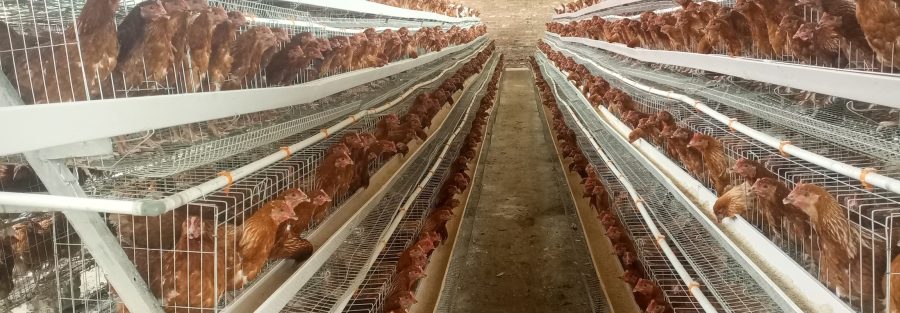
Poultry cages are specially designed housing systems used mainly for keeping layer chickens. Unlike traditional deep-litter systems, cages provide individual or group compartments where birds can feed, drink, rest, and lay eggs.
Modern layer cages are designed with features such as feeding troughs, nipple drinkers, manure collection systems, and sloping floors that allow eggs to roll safely toward an accessible collection point.
For commercial egg producers, these systems can make daily poultry management more organized and efficient.
1. Poultry Cages Increase Egg Production Efficiency
One of the biggest advantages of poultry cages is improved management of laying hens. When birds are housed in a well-designed cage system, farmers can monitor their feeding, drinking, health, and egg production more effectively.
The controlled environment allows farmers to identify birds that are not eating, drinking, or laying normally. Early identification of problems can prevent production losses.
Proper cage management, combined with quality layer feed and adequate water, can help chickens maintain good productivity throughout their laying period.
Key factors that support egg production include:
Balanced layer feed
Continuous access to clean water
Proper lighting
Good ventilation
Adequate space per bird
Regular disease prevention
Proper temperature management
Reduced stress
Poultry cages do not automatically increase egg production on their own, but they can create better conditions for farmers to manage the factors that influence production.
2. Better Use of Poultry Farm Space
Land and housing costs can be major expenses for poultry farmers. Poultry cages allow farmers to make more efficient use of available space.
Because cages can be arranged in tiers, more birds can be kept within a smaller poultry house compared with some traditional housing systems.
This makes layer cages in Uganda particularly useful for farmers who want to expand their egg production without purchasing large additional pieces of land.
Efficient use of space can also reduce construction and infrastructure costs per bird when the poultry house is properly designed.
3. Reduced Feed Wastage
Feed is one of the largest operating expenses in poultry farming. Even small amounts of daily feed wastage can become expensive over time.
Poultry cages are designed with feeding troughs that can help reduce birds’ ability to scratch feed onto the floor. When feeders are properly installed and managed, farmers can improve feed utilization and minimize unnecessary losses.
However, farmers should avoid overfilling feeders and should adjust feeding practices according to the age, breed, and production stage of the birds.
Better feed management means farmers can get more value from every kilogram of poultry feed purchased.
4. Easier Egg Collection
Egg collection is another area where poultry cages can reduce labor requirements.
Most modern layer cages have sloping floors that allow freshly laid eggs to roll gently toward the front of the cage. This makes eggs easier to collect without repeatedly entering the birds’ housing areas.
Faster egg collection can:
Reduce labor requirements
Save time
Minimize egg breakage
Keep eggs cleaner
Improve farm organization
Reducing broken and dirty eggs is particularly important because high-quality eggs generally have better market value.
5. Improved Poultry Hygiene
Poor hygiene can contribute to disease outbreaks and production losses. In traditional poultry houses, chickens may come into frequent contact with manure, litter, and contaminated surfaces.
Poultry cage systems can separate birds from accumulated manure through manure collection systems. This can make cleaning and waste management easier when the system is properly maintained.
Farmers should still practice strict poultry biosecurity, including regular cleaning, disinfection, pest control, proper disposal of dead birds, and controlled movement of people around the poultry house.
A clean poultry environment helps reduce disease risks and supports healthier birds.
6. Easier Disease Monitoring
Another important benefit of poultry cages is easier observation of individual birds.
When chickens are housed in organized cages, farmers can more easily notice:
Reduced feed intake
Reduced water consumption
Low egg production
Weak or sick birds
Abnormal droppings
Injuries
Changes in bird behavior
Early detection allows farmers to seek veterinary advice before a problem spreads throughout the flock.
At Aaron Vet Farms Ltd, we encourage farmers to combine proper housing systems with appropriate vaccination programs, biosecurity, nutrition, and professional veterinary support.
7. Reduced Labor Costs
Commercial poultry farming requires regular activities such as feeding, watering, egg collection, cleaning, manure management, and monitoring birds.
Well-designed cage systems can simplify several of these activities.
Automatic or semi-automatic feeding and drinking systems can further reduce the amount of manual labor required. Even when farmers use manual systems, organized cage housing can make routine activities faster and more predictable.
Lower labor requirements can contribute to better overall farm profitability.
8. Better Egg Quality and Reduced Breakages
Egg breakage represents a direct financial loss to poultry farmers.
Cage systems with properly designed sloping floors allow eggs to move toward collection areas rather than remaining beneath birds where they can be stepped on or contaminated.
Farmers should collect eggs regularly and handle them carefully during transportation and storage.
Good egg handling practices can help maintain quality and reduce losses between the poultry house and the market.
9. Easier Farm Expansion
For farmers planning to grow their poultry businesses, cages can provide a structured way to increase flock numbers.
Instead of simply adding more birds to an existing house, farmers can design their poultry unit around an appropriate cage capacity.
Before expanding, however, farmers should consider:
Available capital
Market demand
Feed costs
Water supply
Electricity requirements
Veterinary costs
Housing capacity
Labor availability
Egg market prices
Expansion should be based on sound financial planning rather than simply increasing the number of birds.
Choosing the Right Poultry Cage System
Not every poultry cage is suitable for every farm. The right system depends on flock size, available space, budget, management capacity, and production goals.
Farmers should consider cage durability, ventilation, feeding systems, drinking systems, manure management, egg collection, bird welfare, and ease of cleaning before purchasing.
A quality cage system may have a higher initial cost, but its long-term benefits can make it a worthwhile investment when properly managed.
Poultry Cages and Farm Profitability
The profitability of an egg farm depends on the relationship between egg revenue and production costs.
Poultry cages can contribute to cost reduction by improving space utilization, reducing feed wastage, simplifying egg collection, lowering some labor requirements, improving manure management, and reducing egg breakages.
However, cages should be viewed as one component of a complete poultry management system. Good genetics, quality feed, clean water, vaccination, disease prevention, proper lighting, ventilation, and professional farm management remain essential.
Why Choose Aaron Vet Farms Ltd?
At Aaron Vet Farms Ltd, our goal is to support poultry farmers with practical solutions that improve productivity and farm profitability.
Whether you are starting a layer farm, expanding an existing poultry project, or looking for better poultry management solutions, proper housing is an important part of your investment.
We encourage farmers to make informed decisions based on flock size, available resources, production objectives, and long-term business plans.
Final Thoughts
Poultry cages can improve egg production efficiency and reduce farm costs when they are properly selected, installed, and managed. They help farmers make better use of space, reduce feed wastage, simplify egg collection, improve hygiene, monitor birds more easily, and manage larger flocks efficiently.
For commercial egg farmers, investing in an appropriate cage system can therefore be an important step toward building a more organized and profitable poultry enterprise.
If you are planning to invest in layer cages in Uganda, consult experienced poultry professionals before making your purchase. The right housing system, combined with proper nutrition, veterinary care, biosecurity, and good management, can make a significant difference to your poultry farming business.
Aaron Vet Farms Ltd — supporting farmers with practical poultry solutions for better productivity and sustainable farm growth.