
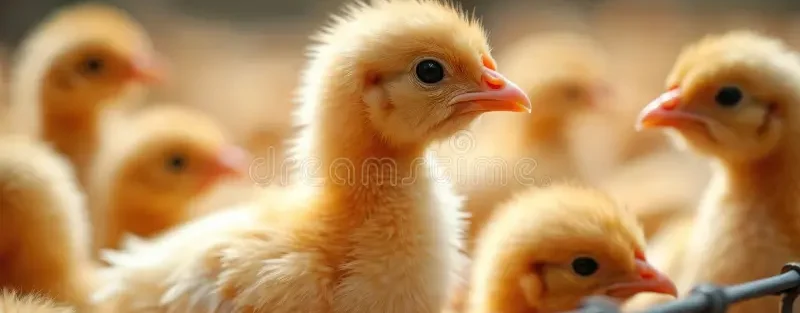
How to Calculate Profits and Losses in Poultry Farming: A Practical Guide for Ugandan Farmers
Poultry farming is a profitable agribusiness when managed correctly, but many farmers struggle to determine whether their poultry projects are making money or operating at a loss. Understanding how to calculate profits and losses in poultry farming helps farmers control expenses, improve productivity, reduce wastage, and make better business decisions.
At Aaron Vet Farms Ltd, we encourage poultry farmers to maintain accurate financial records, monitor production costs, and evaluate their income regularly. Whether you raise broiler chickens for meat, layer chickens for eggs, or local breeds for both meat and eggs, knowing your costs and returns is essential for building a sustainable poultry business.
1. Understand the Main Costs of Poultry Farming
Before calculating profits, you must identify all the expenses involved in raising your birds. These expenses are generally divided into fixed costs and variable costs.
Fixed costs
Fixed costs are expenses that do not change significantly with every production cycle. They may include:
Construction of poultry houses.
Feeders and drinkers.
Brooding equipment and heating systems.
Egg trays and storage equipment.
Long-term farm equipment.
For example, if you spend UGX 3,000,000 constructing a poultry house, you should not charge the entire construction cost to every batch of chickens. Instead, allocate a reasonable portion of the cost to each production cycle over the useful life of the building.
Variable costs
Variable costs change according to the number of birds you keep and how long you raise them. These include:
Purchase of day-old chicks.
Poultry feeds.
Vaccines and veterinary services.
Bedding materials.
Electricity and water.
Labour.
Transportation.
Disinfectants and cleaning supplies.
Packaging and marketing expenses.
Feed is often the largest operating expense in poultry farming. Farmers should monitor feed consumption, prevent wastage, and use nutritionally balanced feeds to maintain good growth and egg production.
2. Calculate the Total Cost of Production
The total cost of production is the sum of all expenses associated with raising and selling your poultry products.
Formula:
Total Cost = Fixed Costs Allocated to the Cycle + Total Variable Costs
For example, suppose a farmer starts a broiler project with 500 day-old chicks.
Expense Estimated cost (UGX)
500 day-old chicks at UGX 3,500 each 1,750,000
Poultry feeds 3,000,000
Vaccines and veterinary care 250,000
Bedding and disinfectants 150,000
Labour 300,000
Water and electricity 100,000
Transport and marketing 200,000
Allocated equipment and housing costs 250,000
Total production cost 6,000,000
These figures are illustrative estimates, not current market quotations. Actual costs depend on chick prices, feed quality, location, production period, and farm management.
The farmer’s total production cost for the cycle is UGX 6000,000.
3. Calculate Poultry Farming Revenue
Revenue is the total money earned from selling poultry products before deducting expenses.
For broiler farmers, revenue usually comes from selling mature chickens. Layer farmers earn income primarily from selling eggs, while additional revenue may come from spent hens and poultry manure.
Formula:
Total Revenue = Selling Price per Unit × Number of Units Sold
Suppose the farmer starts with 500 broiler chicks but loses 15 birds during the production cycle.
Birds available for sale:
500 − 15 = 485 birds
If each bird sells for UGX 15,000:
485 × UGX 15,000 = UGX 7,275,000
The farmer’s revenue from chicken sales is UGX 7,275,000.
If the farmer also earns UGX 100,000 from selling poultry manure, total revenue becomes UGX 7,375,000.
Remember to count only income actually earned from the production cycle and avoid counting the same sales twice.
4. Calculate Profit or Loss in Poultry Farming
Once you know your total revenue and total costs, you can calculate your profit or loss.
Formula:
Net Profit or Loss = Total Revenue − Total Costs
Using our example:
Total revenue: UGX 7,375,000
Total production cost: UGX 6,000,000
Net profit = UGX 7,375,000 − UGX 6,000,000
Net profit = UGX 1,375,000
This means the farmer has made an estimated profit of UGX 1,875,000 for the production cycle, assuming all listed costs and revenues are accounted for.
If the total costs were higher than the revenue, the difference would represent a loss.
For example, if revenue were UGX 5,000,000 and costs remained UGX 6,000,000, the farmer would record a loss of UGX 1,000,000.
5. Calculate Your Poultry Farming Profit Margin
Profit margin shows the percentage of revenue that remains as profit after accounting for costs.
Formula:
Profit Margin (%) = (Net Profit ÷ Total Revenue) × 100
Using the example above:
(UGX 1,375,000 ÷ UGX 7,375,000) × 100 = approximately 19%
This means the farm earns approximately UGX 19% in net profit for every UGX 100 in revenue.
A higher profit margin generally indicates better financial performance, although farmers must also consider production risks, cash flow, and the sustainability of their operations.
6. Calculate the Break-Even Selling Price
The break-even point tells you how much you must earn to cover all production costs without making a profit or loss.
Formula:
Break-Even Price per Bird = Total Production Cost ÷ Number of Birds Sold
Using the example:
UGX 6,000,000 ÷ 485 birds = approximately UGX 12371 per bird.
Therefore, the average selling price must be about UGX 12371 per bird to cover the stated production costs, assuming the UGX 100,000 manure income is excluded from this calculation.
If manure income is included, the required chicken-sale revenue falls, so the break-even selling price becomes lower.
Knowing your break-even price helps you negotiate with buyers and decide whether your planned selling price is financially realistic.
7. How to Calculate Profits in Layer Poultry Farming
Layer farming requires a slightly different approach because income is earned repeatedly through egg sales.
Suppose a farm has 1,000 laying hens, and 850 eggs are collected daily.
If one tray contains 30 eggs, the farm produces approximately:
850 ÷ 30 = 28.33 trays per day.
If each tray sells for UGX 12,000, estimated daily egg revenue is:
28.33 × UGX 12,000 = approximately UGX 340,000.
Over 30 days, this represents approximately UGX 10,200,000 in egg revenue, assuming production and selling prices remain constant.
The farmer must then deduct expenses such as feeds, labour, vaccines, water, electricity, egg trays, transportation, and housing depreciation.
Other important factors include the cost of raising pullets before they begin laying, mortality, broken eggs, unsold eggs, and income from spent hens.
For an accurate assessment, calculate expenses and income over the same period.
8. Common Reasons Poultry Farmers Make Losses
Several challenges can reduce poultry farming profits in Uganda.
High feed costs
Poor feed management and wastage can significantly increase production expenses. Buy quality feeds from reliable suppliers and store them properly.
High mortality rates
Disease outbreaks, inadequate brooding, poor ventilation, and weak biosecurity can result in bird losses. Follow appropriate vaccination schedules and seek veterinary advice when birds show signs of illness.
Poor market prices
Farmers who sell without researching market demand may receive prices that do not cover their costs. Identify potential buyers before birds reach market weight or before eggs accumulate.
Poor record keeping
Without accurate records, it becomes difficult to identify expensive inputs, measure productivity, or determine whether a production cycle is profitable.
Ignoring hidden costs
Some farmers calculate profit by subtracting feed and chick costs from sales revenue but forget labour, transport, equipment depreciation, and other expenses. This can create a misleading picture of profitability.
9. Keep Accurate Poultry Farming Records
Every poultry farmer should maintain a simple record book or spreadsheet showing:
Number of chicks purchased.
Purchase prices and dates.
Daily feed consumption.
Vaccination and treatment expenses.
Mortality rates.
Egg production or average bird weight.
Sales quantities and prices.
Labour and utility costs.
Total revenue, expenses, and net profit.
Review these records weekly and calculate the final profit or loss at the end of each production cycle. Compare different cycles to identify improvements and recurring problems.
Conclusion: Build a More Profitable Poultry Business
Calculating profits and losses is one of the most important skills every poultry farmer should develop. By tracking production costs, calculating revenue, measuring profit margins, and determining break-even prices, farmers can make informed decisions and reduce financial risks.
At Aaron Vet Farms Ltd, we encourage poultry farmers to combine good financial management with quality chicks, balanced nutrition, effective disease prevention, and proper farm management.
Whether you are starting with 100 birds or managing thousands of broilers or layers, accurate financial records can help you understand your business and plan for sustainable growth.
Contact Aaron Vet Farms Ltd for guidance on poultry farming, quality day-old chicks, poultry feeds, and veterinary services to support your farming journey.
Frequently Asked Questions (FAQs)
1. How do I calculate profit in poultry farming?
Subtract all production costs from total revenue. A positive result indicates a profit, while a negative result indicates a loss.
2. What is the most expensive cost in poultry farming?
Feed is often the largest operating expense, although the actual cost structure depends on the type of poultry enterprise and local prices.
3. How do I calculate the cost of producing one chicken?
Divide the total production costs for the batch by the number of birds sold. Include appropriate allocations for housing, equipment, labour, and other expenses.
4. How can I reduce losses in poultry farming?
Control feed wastage, maintain biosecurity, follow vaccination recommendations, monitor mortality, keep accurate records, and plan your market before production.
5. Is poultry farming profitable in Uganda?
Poultry farming can be profitable when production costs are controlled and reliable markets are available. Profitability depends on feed prices, chick quality, mortality, productivity, selling prices, and management.
Aaron Vet Farms Ltd — Supporting Better Poultry Farming and Sustainable Agricultural Growth.