
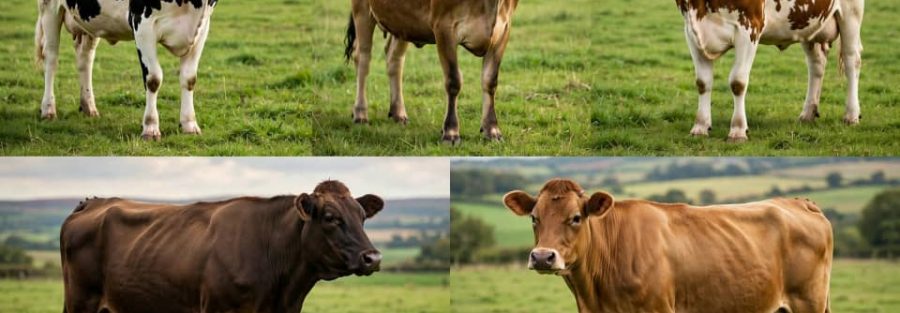
Common Best Dairy Cow Breeds in Uganda for High Milk Production
Uganda’s dairy farming sector offers excellent opportunities for farmers seeking to produce quality milk, generate regular income, and build profitable livestock businesses. However, choosing the best dairy cow breeds in Uganda for high milk production is one of the most important decisions a farmer can make. The right breed, combined with proper feeding, veterinary care, housing, and breeding management, can significantly improve milk yields and farm profitability.
Popular dairy cattle breeds in Uganda include Friesian (Holstein), Jersey, Ayrshire, Guernsey, and crossbred dairy cows. Each breed has different characteristics, feeding requirements, and levels of adaptability to Uganda’s climate. Understanding these differences helps farmers select cattle suited to their location, budget, and production goals.
At Aaron Vet Farms Ltd, we encourage farmers to consider not only a cow’s potential milk yield but also its health, fertility, feed requirements, and ability to perform under local farming conditions.
1. Friesian (Holstein): Best for High Milk Production
The Friesian, also known as the Holstein-Friesian, is among the most popular dairy cattle breeds for commercial milk production in Uganda. Recognized by its black-and-white markings, this breed is widely valued for its high milk-producing potential.
Key characteristics:
High milk production under good management.
Large body size and strong appetite.
Suitable for commercial dairy farms with reliable feed supplies.
Requires careful attention to heat stress, mastitis prevention, and reproductive health.
Well-managed Friesian cows can produce substantial quantities of milk per lactation, although actual yields vary considerably depending on genetics, feed quality, climate, and veterinary management.
Best suited for: Farmers with adequate land or access to quality fodder, balanced dairy meals, clean water, and appropriate housing.
Although Friesians offer high production potential, they may struggle when exposed to heat, inadequate nutrition, and poor disease control. Farmers should invest in shade, ventilation, quality forage, and regular veterinary checks to maintain productivity.
2. Jersey: Efficient Milk Production and Rich Milk
Jersey cows are smaller than Friesians and are known for producing milk with relatively high butterfat and protein content. Their smaller body size can make them attractive to farmers who have limited land or want to manage feed costs carefully.
Key characteristics:
Smaller body size than Friesians.
Milk with high butterfat content.
Often efficient in converting feed into milk.
Can be suitable for smallholder and intensive dairy systems.
Jersey cows are particularly valuable where milk buyers pay premiums for milk solids or where farmers produce butter, yoghurt, cheese, and other dairy products.
Best suited for: Smallholder dairy farmers, farms with limited space, and businesses targeting high-quality milk products.
Jerseys still require balanced nutrition, clean drinking water, parasite control, and proper breeding management. Their performance depends on the quality of care they receive.
3. Ayrshire: A Productive and Adaptable Dairy Breed
Ayrshire cattle are recognized by their red-and-white markings and are valued for milk production, strong udder structure, and good grazing ability. They can be considered by Ugandan farmers looking for an alternative to the high-input Friesian system.
Key characteristics:
Good dairy production potential.
Strong grazing ability under suitable conditions.
Milk with useful butterfat content.
Generally sturdy when properly managed.
Ayrshires can perform well where farmers provide sufficient forage, mineral supplementation, clean water, and protection from excessive heat. Their suitability depends on the local environment and the quality of the animals available.
Best suited for: Farmers seeking productive dairy cattle with good grazing characteristics and a balanced approach to milk production.
4. Guernsey: Milk Quality and Dairy Value
Guernsey cattle are less common than Friesians and Jerseys in many Ugandan farming systems, but they are known for producing milk with relatively high butterfat and protein levels. Their golden-yellow milk colour is associated with naturally occurring beta-carotene.
Key characteristics:
Milk with good butterfat content.
Moderate body size compared with larger dairy breeds.
Potential for value-added dairy products.
Requires appropriate feeding, health care, and housing.
Guernsey cows may be suitable for specialized dairy businesses that prioritize milk quality alongside volume. Farmers should first assess the availability and cost of breeding stock, veterinary support, and a reliable market for their milk.
5. Crossbred Dairy Cows: A Practical Choice for Uganda
Crossbred dairy cows, often developed by crossing exotic breeds such as Friesians or Jerseys with indigenous cattle, are important in Uganda’s smallholder dairy sector.
The aim is to combine desirable milk production traits with improved adaptation to local conditions. However, the outcome depends on the breeds used, the proportion of exotic genetics, and the quality of breeding and management.
Key characteristics:
Potentially better adaptation to local conditions than some high-grade exotic cattle.
Milk production that can suit small and medium-sized farms.
Different feed and management requirements depending on genetic composition.
Potentially lower management demands in some systems.
Crossbred cows can be a sensible choice for farmers who cannot consistently provide the intensive feeding and cooling needed by high-producing exotic breeds.
Best suited for: Smallholder farmers, farms in warmer areas, and producers seeking a balance between milk yield, adaptation, and operating costs.
Farmers should choose healthy animals with sound udders, good legs, a reliable production history, and a known vaccination and disease-testing record wherever possible.
How to Choose the Best Dairy Cow Breed in Uganda
Choosing the right dairy breed requires more than comparing advertised milk yields. Consider the following factors before purchasing cattle.
1. Climate and Location
Uganda’s climate varies by region and altitude. Heat and humidity can affect feed intake, fertility, and milk production. Select cattle that can perform under the conditions on your farm, and provide shade, ventilation, and unrestricted access to clean water.
2. Availability of Quality Feeds
High-producing dairy cows need sufficient energy, protein, fibre, minerals, and vitamins. Plan for reliable supplies of Napier grass, suitable pasture, legumes, silage, hay, and balanced dairy concentrates where needed.
3. Your Farming Budget
The purchase price is only one part of the cost. Budget for feeding, housing, veterinary services, breeding, labour, water, and milk transport. A cow with a lower purchase price may not be more profitable if its milk yield is poor or its health is compromised.
4. Milk Market and Payment System
Find out how local buyers pay for milk. Some markets focus mainly on litres, while others may reward quality and milk composition. Choose a breed that fits your market and production plan.
5. Health, Fertility, and Milk Records
Whenever possible, inspect milk records, calving history, body condition, udder health, and breeding history. Buy from reputable sources and arrange a veterinary examination before introducing new cattle to your herd.
Essential Management Practices for High Milk Production
Even the best dairy cow breed cannot deliver good results without proper management. Ugandan dairy farmers should prioritize:
Balanced feeding: Provide good-quality forage, appropriate concentrates, and mineral supplements according to the cow’s needs and production stage.
Clean drinking water: Ensure cows have continuous access to fresh water, especially during hot weather and peak milk production.
Comfortable housing: Maintain dry resting areas, good drainage, shade, and adequate ventilation.
Milking hygiene: Clean the udder and teats appropriately, use clean equipment, and follow hygienic milk-handling procedures.
Disease prevention: Work with a veterinary professional on vaccination, parasite control, mastitis prevention, and disease surveillance.
Reproductive management: Monitor heat signs, arrange timely breeding, and maintain calving and fertility records.
Regular record keeping: Track daily milk yield, feed costs, breeding dates, treatments, and veterinary expenses to identify profitable animals.
Conclusion
The best dairy cow breeds in Uganda for high milk production include Friesian, Jersey, Ayrshire, Guernsey, and suitable crossbred cattle. Friesians are strong candidates for high-volume commercial milk production, Jerseys are valued for milk quality and feed efficiency, and crossbred cows can provide a practical balance between productivity and adaptation.
Ultimately, the most profitable cow is not necessarily the one with the highest theoretical milk yield. It is the cow that stays healthy, conceives regularly, produces milk consistently, and fits your farm’s feeding system and budget.
Are you planning to start or expand your dairy farm in Uganda? Aaron Vet Farms Ltd encourages farmers to seek professional guidance when selecting dairy breeds, planning feeding programmes, and establishing herd health management practices. With the right cattle and consistent management, dairy farming can become a more productive and sustainable business.