
How Poor Feeder Management Affects Chicken Growth and Profitability
Aaron Vet Farms Ltd
Proper feeder management is one of the most important factors in successful poultry farming. Whether you are raising broilers for meat or layers for egg production, the way you provide and manage chicken feeders directly affects feed consumption, growth rate, egg production, flock health, and overall profitability. Poor feeder management can lead to feed wastage, uneven chicken growth, increased production costs, and reduced income for poultry farmers.
For farmers in Uganda, where feed accounts for a significant share of poultry production expenses, improving feeder management is an effective way to increase productivity and protect farm profits.
What Is Feeder Management in Poultry Farming?
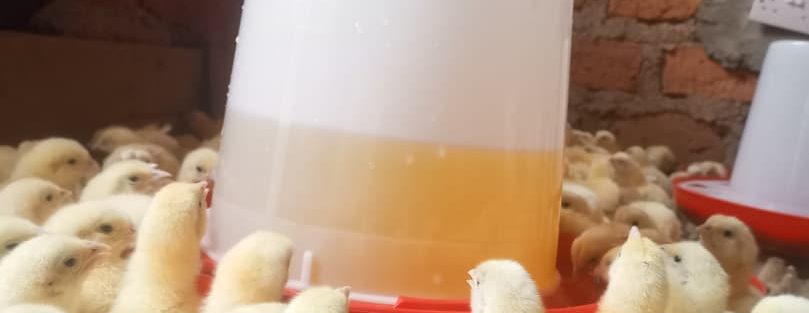
Feeder management refers to the proper selection, placement, filling, cleaning, and maintenance of feeders used to provide chickens with feed. Good feeder management ensures that every bird has sufficient access to fresh, balanced feed without unnecessary wastage.
Effective poultry feeder management involves:
– Providing the correct number and type of feeders for the flock.
– Adjusting feeder height as chickens grow.
– Maintaining appropriate feed levels.
– Cleaning feeders regularly.
– Preventing feed contamination and spillage.
– Monitoring feed intake and bird growth.
When these practices are ignored, poultry farmers may spend more on feed while achieving lower production results.
1. How Poor Feeder Management Slows Chicken Growth
One of the major consequences of poor feeder management is slow and uneven chicken growth. Chickens need adequate nutrients, including proteins, energy, vitamins, minerals, and essential amino acids, to develop properly.
When feeders are too few, poorly positioned, or difficult to access, dominant birds may consume more feed while weaker birds receive less. This creates differences in body weight across the flock.
In broiler farming, slow growth can delay the target market age and increase the amount of feed required to produce a kilogram of meat. In layer farming, poor nutrition during the growing stage may affect body development and future egg production.
Solution: Provide enough feeder space for the age and type of birds, distribute feeders evenly throughout the poultry house, and monitor body weight regularly.
2. Increased Feed Wastage and Production Costs
Feed wastage is one of the most expensive results of poor feeder management. Chickens may scatter feed onto the floor when feeders are overfilled, incorrectly adjusted, unstable, or unsuitable for their size.
Spilled feed can become mixed with litter, droppings, moisture, and other contaminants. Once contaminated, it may no longer be safe or suitable for consumption.
For Ugandan poultry farmers, wasted feed means paying for ingredients that do not contribute to bird growth or egg production.
For example, if a farm wastes just 5% of 1,000 kg of feed, it loses 50 kg of feed. At a hypothetical feed price of UGX 2,000 per kilogram, that represents UGX 100,000 in wasted feed value.
Solution: Avoid overfilling feeders, use suitable feeder designs, adjust feed levels according to the manufacturer’s instructions, and inspect feeders daily for spillage.
3. Poor Feed Conversion Ratio (FCR)
The feed conversion ratio (FCR) measures how efficiently chickens convert feed into body weight. In broilers, a lower FCR generally indicates better feed efficiency when birds are compared at similar ages and under similar conditions.
Poor feeder management can worsen FCR because birds may waste feed, struggle to access it, or consume insufficient nutrients for healthy growth.
When more feed is used to produce the same amount of meat, the cost of production increases and profit margins decline.
Solution: Keep accurate records of feed supplied, feed remaining, bird mortality, and body weight. Investigate unexpected changes in feed intake or growth, as they may indicate feeder problems, disease, poor feed quality, or environmental stress.
4. Uneven Growth and Competition Among Chickens
When feeder space is inadequate, stronger birds may push smaller or weaker birds away from feeding areas. This competition results in uneven feed intake and inconsistent growth.
In broiler production, uneven growth can make it difficult to sell birds at the desired market weight. In layer production, differences in body development may contribute to inconsistent readiness for laying.
Uneven growth can also make flock management more difficult because birds may require different attention and feeding adjustments.
Solution: Provide sufficient feeder access, arrange feeders so birds can reach them easily, and observe the flock during feeding. Separate severely undersized or bullied birds when appropriate, while investigating possible health or management causes.
5. Increased Risk of Disease and Feed Contamination
Dirty feeders can become sources of contamination. Feed exposed to wet litter, droppings, rodents, wild birds, or mould may introduce harmful microorganisms or other hazards into the poultry house.
Moisture and poor storage conditions can also encourage mould growth and, in some circumstances, the development of mycotoxins in feed. Contaminated feed may reduce appetite, damage bird health, and compromise production.
Poor feeder hygiene does not automatically cause disease, but it can increase avoidable health risks.
Solution: Clean feeders regularly, remove wet or spoiled feed, store feed in a dry and secure area, control rodents, and follow a farm biosecurity programme. Seek veterinary advice if birds develop signs of illness.
6. Reduced Egg Production in Layer Chickens
Layer chickens require balanced nutrition to maintain egg production, eggshell quality, and body condition. Poor feeder management may prevent some birds from consuming enough feed to meet their nutritional needs.
Insufficient feed intake can contribute to reduced egg numbers, smaller eggs, poor shell quality, and inconsistent production. However, these symptoms can also result from disease, heat stress, lighting problems, inadequate water, or nutritional deficiencies.
Solution: Ensure that layers have consistent access to an appropriate layer ration, clean drinking water, and correctly positioned feeders. Track daily egg numbers, feed consumption, and any changes in eggshell quality.
7. Higher Labour Costs and Reduced Farm Profitability
Poor feeder management creates additional work for poultry attendants. Workers may spend more time cleaning spilled feed, replacing damaged equipment, treating preventable health problems, and managing birds that grow unevenly.
At the same time, the farm may experience higher feed bills, delayed sales, reduced egg production, or increased mortality associated with wider management problems.
These costs can accumulate and significantly reduce the return on investment in poultry farming.
Solution: Establish a daily feeder inspection routine and train workers to identify problems early. Preventive management is generally less costly than correcting repeated feeding problems.
Best Feeder Management Practices for Poultry Farmers
To improve chicken growth and profitability, poultry farmers should adopt the following practices:
1. Choose the right feeders: Select feeders suited to the birds’ age, size, production type, and housing system.
2. Provide adequate feeder space: Follow the equipment manufacturer’s recommendations and local poultry management guidance.
3. Adjust feeder height: Keep feeder edges at an appropriate level as birds grow, allowing comfortable access while reducing spillage.
4. Maintain correct feed levels: Avoid both empty feeders and excessive filling.
5. Clean and inspect equipment: Remove contaminated feed and repair damaged feeders promptly.
6. Supply balanced feed: Use quality feed formulated for the appropriate stage, such as chick starter, broiler grower, broiler finisher, or layer feed.
7. Provide clean water: Birds need continuous access to clean drinking water for normal feed intake and digestion.
8. Keep records: Monitor feed consumption, body weight, mortality, egg production, and feed costs to identify problems early.
How Aaron Vet Farms Ltd Can Help Poultry Farmers
Successful poultry farming requires more than purchasing quality day-old chicks. Farmers must also maintain proper feeding systems, provide balanced nutrition, manage disease risks, and monitor flock performance.
Aaron Vet Farms Ltd supports poultry farmers through poultry farming guidance, veterinary services, and advice on raising healthy, productive birds. Farmers who need assistance with feeder selection, feeding programmes, or flock management can seek professional guidance suited to their farming system.
Whether you manage a small poultry project or a large commercial farm, improving everyday feeding practices can help reduce avoidable losses and strengthen profitability.
Conclusion
Poor feeder management affects chicken growth and profitability by increasing feed wastage, reducing feed efficiency, creating uneven growth, raising contamination risks, and potentially lowering egg production. These problems can increase production costs and reduce the income poultry farmers earn from their flocks.
By choosing appropriate feeders, maintaining good hygiene, ensuring adequate feeder access, and keeping accurate farm records, poultry farmers can improve feed utilisation and flock performance.
Good feeder management means making every kilogram of feed count. For poultry farmers in Uganda, small improvements in daily feeding practices can contribute to healthier chickens, more efficient production, and better long-term farm profitability.