
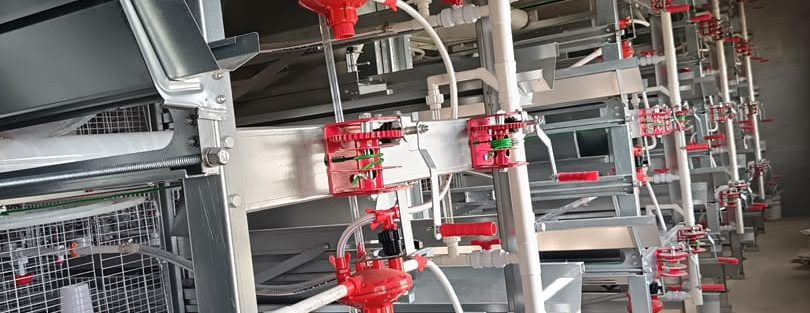
Automatic Drinkers in Poultry Farming: Types, Advantages and Disadvantages
Introduction
Clean drinking water is essential for healthy chickens, proper growth, egg production, and successful poultry farming. Whether you keep broilers, layers, Sasso, Kuroilers, or indigenous chickens, providing a reliable water supply can significantly improve your farm’s productivity. One effective way to achieve this is by installing automatic drinkers in poultry farming.
Automatic poultry drinkers supply water to birds with minimal manual effort. Unlike traditional bowls and open containers, many automatic watering systems reduce water spillage, improve hygiene, and save farmers time. They are particularly useful for commercial poultry farms with hundreds or thousands of birds.
However, automatic drinkers also have disadvantages, including installation costs, maintenance requirements, and the possibility of blockages or water leaks. Understanding the different types can help you select a system that matches your flock size, budget, and poultry housing design.
At Aaron Vet Farms Ltd, we encourage poultry farmers to invest in practical management systems that support healthy birds, efficient production, and profitable farming.
What Are Automatic Drinkers in Poultry Farming?
Automatic drinkers are watering devices that deliver drinking water to poultry without requiring farmers to refill open containers continuously. Depending on the design, water may flow through pipes, storage tanks, cups, or nipple valves.
Some systems use gravity, while others depend on pumps, pressure regulators, and water distribution equipment.
Automatic drinkers are suitable for broiler farming, layer production, breeder farms, and other poultry enterprises. The best system depends on the birds’ age, the number of chickens, water quality, housing arrangement, and available capital.
Types of Automatic Poultry Drinkers
1. Nipple Drinkers
Nipple drinkers are among the most common automatic watering systems on commercial poultry farms. They consist of small valves fitted into water pipes. Chickens receive water by pecking the nipple, which releases a controlled amount of water.
These systems can be installed with drip cups to collect excess water and help keep litter dry.
Advantages of nipple drinkers
Reduce water wastage when correctly installed and adjusted.
Help maintain clean drinking water by limiting contamination from droppings, feed, and litter.
Reduce wet litter, which can contribute to footpad problems and other flock health challenges.
Save labour because farmers do not need to refill individual containers throughout the day.
Work well in large broiler and layer houses.
Disadvantages of nipple drinkers
Require an initial investment in pipes, nipples, fittings, and sometimes pressure regulators.
Can become blocked by dirt, mineral deposits, or biofilm.
Incorrect water pressure or installation height can prevent birds from drinking comfortably.
Young chicks may need to be shown how to use the system.
Leaking nipples can wet the litter if faults are not detected early.
Best for: Commercial broiler and layer farms seeking efficient water distribution.
2. Automatic Bell Drinkers
Automatic bell drinkers are suspended or mounted drinking units connected to a water supply. Water enters the bell-shaped reservoir as birds drink, maintaining a supply within the drinking trough.
They are generally easier for beginners to understand and can be used for different poultry production systems when properly sized.
Advantages of automatic bell drinkers
Allow several birds to drink at the same time.
Are relatively simple to install and operate.
Can be suitable for small and medium-sized poultry farms.
Reduce the need for constant manual refilling.
Make water availability easy to observe during routine inspections.
Disadvantages of automatic bell drinkers
Birds can contaminate the water with litter, feed, and droppings.
Water may spill onto the floor, particularly when drinkers are poorly adjusted.
Units require frequent cleaning and disinfection.
Poor positioning can make drinking difficult for very young chicks.
Large poultry houses may require many units and additional floor space.
Best for: Small and medium-sized farms and poultry houses where a simple automatic system is preferred.
3. Automatic Cup Drinkers
Automatic cup drinkers use small cups connected to a water line. When a bird activates the mechanism or consumes water, the cup refills automatically, depending on the model.
Some designs use a float or valve to maintain the water level.
Advantages of automatic cup drinkers
Provide visible access to water, which can help young birds locate it.
Can reduce water spillage compared with open drinking containers.
May help keep water cleaner than traditional bowls.
Are useful in some small-scale and specialised poultry systems.
Can be installed along water lines for convenient distribution.
Disadvantages of automatic cup drinkers
Cups can collect dust, feed particles, and droppings.
Require regular inspection and cleaning.
Valves can become blocked or damaged.
Birds may spill water if cups are incorrectly positioned.
Installation and replacement costs increase with flock size.
Best for: Small poultry units and farms using cup-based watering equipment suited to their birds.
4. Automatic Trough Drinkers
Automatic trough drinkers provide water in a long, narrow channel connected to a controlled water supply. Depending on the design, a float valve or another mechanism maintains the water level.
Advantages of automatic trough drinkers
Allow multiple birds to drink along the same trough.
Provide easy access to water when correctly designed.
Can be suitable for some poultry housing arrangements.
Make water availability easy to monitor visually.
Disadvantages of automatic trough drinkers
Open water surfaces can become contaminated quickly.
Water may spill and create wet litter.
Troughs need frequent cleaning.
Long troughs require sufficient space and correct positioning.
Poorly managed systems can encourage algae and biofilm growth.
Best for: Poultry systems where trough watering is appropriate and regular cleaning can be maintained.
5. Float-Valve Automatic Drinkers
Float-valve drinkers use a float mechanism to control water entering a reservoir or drinking trough. When the water level falls, the valve opens; when the level rises to the set point, the valve closes.
Advantages of float-valve drinkers
Maintain a relatively consistent water level.
Reduce the need for continuous manual refilling.
Are useful for gravity-fed or tank-fed watering arrangements, depending on the design.
Can be relatively straightforward to maintain when components are accessible.
Disadvantages of float-valve drinkers
Float valves may fail or become stuck.
Dirt and mineral deposits can interfere with operation.
Overflowing can occur if a valve fails.
Open reservoirs may become contaminated.
They still require regular inspection and cleaning.
Best for: Farms using water tanks or reservoirs to supply automatic drinking points.
Advantages of Automatic Drinkers in Poultry Farming
Automatic watering systems offer several benefits when correctly selected, installed, and maintained.
Save time and labour: Farmers spend less time carrying water and refilling drinkers, leaving more time for feeding, health checks, and farm management.
Improve water hygiene: Closed pipes and properly maintained valves can reduce contamination compared with open containers.
Reduce water wastage: Nipple systems and well-adjusted cups can deliver water more efficiently than poorly managed open drinkers.
Support healthy growth: Consistent access to clean water supports digestion, nutrient absorption, temperature regulation, and normal growth.
Improve egg production management: Layers need reliable access to water for normal body functions and egg formation. Water interruptions can negatively affect production.
Help manage litter quality: Systems that minimise leakage and spillage help keep poultry litter drier, supporting better house conditions.
Support larger flocks: Automatic systems can distribute water across large poultry houses without requiring manual filling of every drinking point.
Disadvantages of Automatic Poultry Drinkers
Despite their benefits, automatic drinkers are not completely maintenance-free.
High initial cost: Pipes, drinkers, tanks, filters, pumps, and installation may be expensive for small-scale farmers.
Technical faults: Blockages, leaking valves, damaged pipes, and pressure problems can interrupt water delivery.
Dependence on a reliable water supply: Empty tanks or pump failures can leave birds without sufficient water.
Maintenance requirements: Drinkers, pipes, filters, and storage tanks require regular inspection and cleaning.
Uneven water access: Poor drinker placement or incorrect height may prevent some birds from drinking comfortably.
Training needs: Farm workers must understand how to operate, clean, and troubleshoot the equipment.
Farmers should always provide an alternative emergency water supply or a reliable backup plan in case the automatic system fails.
How to Choose the Best Automatic Drinker for Your Poultry Farm
Before purchasing poultry watering equipment, consider the following factors:
1. Type of poultry: Broilers, layers, breeders, and chicks may need different drinker arrangements.
2. Age of the birds: Young chicks require easily accessible drinking points positioned at an appropriate height. Adjust the system as they grow.
3. Number of birds: Larger flocks need sufficient drinking points and water-flow capacity to prevent competition.
4. Available budget: Compare the purchase price with installation, maintenance, cleaning, and replacement costs.
5. Water quality: Use clean water and consider suitable filtration where necessary to reduce blockages.
6. Ease of cleaning: Choose equipment that farm workers can inspect, clean, and repair without difficulty.
7. Manufacturer guidance: Follow the supplier’s recommendations for drinker height, pressure, bird numbers, and maintenance.
Maintenance Tips for Automatic Poultry Drinkers
To keep your watering system working efficiently:
Inspect all drinkers daily for leaks, blockages, and damaged components.
Confirm that every section of the poultry house has a working water supply.
Clean and disinfect drinkers and water storage equipment according to appropriate poultry hygiene procedures.
Flush water lines as recommended by the equipment manufacturer.
Monitor water consumption and investigate sudden increases or decreases.
Check drinker height and water pressure regularly.
Keep spare nipples, valves, and other essential fittings available.
Provide backup drinking water during repairs or power failures where relevant.
Sudden changes in water consumption can indicate equipment failure, heat stress, disease, or changes in feed intake. Investigate unusual changes promptly.
Conclusion
Automatic drinkers are valuable tools for improving water delivery, saving labour, and maintaining better hygiene in poultry farming. Nipple drinkers are often suitable for commercial operations, while bell drinkers, cup drinkers, troughs, and float-valve systems may suit different farm sizes and housing designs.
Every system has advantages and disadvantages. The right choice depends on your flock, budget, water supply, and ability to maintain the equipment. Most importantly, ensure that all birds have continuous access to clean, fresh water.
Aaron Vet Farms Ltd supports poultry farmers with practical livestock management information and guidance for building productive, sustainable poultry enterprises. Choose the right watering system, maintain it properly, and make clean water a daily priority on your farm.
Contact Aaron Vet Farms Ltd for more information about poultry management, feeding, disease prevention, and improving farm productivity.