
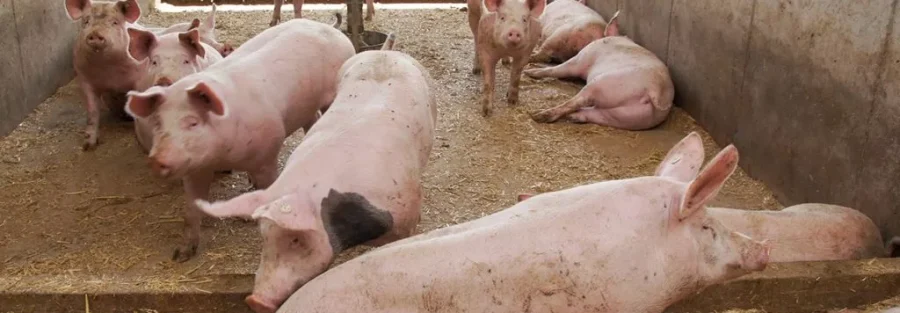
10 Signs of Healthy Piglets Before Buying: A Guide for Pig Farmers in Uganda
Buying healthy piglets is one of the most important decisions you will make when starting or expanding a pig farming business. The quality of piglets you purchase can influence their growth rate, feed efficiency, veterinary expenses, mortality rates, and overall farm profitability.
In Uganda, pig farming offers opportunities for small-scale farmers and commercial livestock producers. However, purchasing weak or sick piglets can result in unexpected losses, slow growth, and expensive treatment costs.
At Aaron Vet Farms Ltd, we encourage farmers to inspect piglets carefully before buying them. Understanding the signs of healthy piglets helps you make informed purchasing decisions and build a productive piggery.
Below are 10 important signs to look for when buying piglets, together with practical tips for selecting good-quality animals.
1. Bright, Clear, and Alert Eyes
The eyes are among the first things to examine when inspecting piglets. Healthy piglets generally have clear, bright eyes and respond normally to movement and activity around them.
Look for piglets whose eyes are free from excessive discharge, swelling, and obvious irritation.
Avoid piglets with unusually dull eyes, thick discharge, or swollen eyelids until their condition has been assessed. These signs may indicate infection, dehydration, or another health problem.
Remember that clear eyes alone do not guarantee that a piglet is free from disease. Always examine the animal’s overall condition.
2. Active Behaviour and Normal Movement
Healthy piglets are usually active, curious, and responsive to their surroundings. They should be able to stand, walk, and move around without obvious difficulty.
Observe the piglets for several minutes before making your decision. Check whether they interact normally with other piglets and respond to feeding or environmental activity.
Be cautious of piglets that remain isolated, struggle to stand, appear unusually weak, or show poor coordination.
Although resting piglets may be perfectly healthy, persistent weakness or unusual inactivity requires further investigation.
Buying tip: Select piglets that are alert, active, and comfortable moving around their pen.
3. Smooth Skin and a Healthy Coat
Healthy piglets should have skin without widespread lesions, severe irritation, or obvious wounds. Their coat should be reasonably smooth for their age and breed.
Inspect the ears, neck, back, belly, legs, and areas around the tail.
Look for signs such as:
Excessive scratching or rubbing.
Unusual hair loss or scaly patches.
Wounds, swellings, or abscesses.
Heavy lice or tick infestation.
Unexplained skin discolouration.
These signs may be associated with parasites, infections, injuries, or poor management.
Ask the seller about parasite control and previous veterinary treatments. If you notice suspicious skin changes, seek veterinary advice before purchasing the animal.
4. Normal Breathing and a Clean Nose
Healthy piglets should breathe comfortably without persistent coughing, gasping, or obvious respiratory distress.
Check the nose for excessive discharge and listen for unusual breathing sounds while the piglet is resting.
Warning signs include persistent coughing, repeated sneezing, thick nasal discharge, and laboured breathing.
Respiratory diseases can spread within a pig herd, affecting feed intake, growth, and farm productivity.
Do not purchase piglets showing unexplained respiratory symptoms until a qualified veterinary professional has assessed them.
5. Good Body Condition and Steady Growth
Body condition provides useful clues about a piglet’s nutrition and development.
Healthy piglets should have a reasonably well-proportioned body for their age and breed. Avoid animals that appear severely thin, weak, or poorly developed.
Compare piglets of similar ages in the same litter. Significant differences in size may indicate competition for milk, poor nutrition, illness, or other management challenges.
Ask the seller about the piglets’ ages and recent weights. Weighing them, where possible, is more reliable than estimating size by appearance alone.
Do not automatically select the biggest or fattest piglet. Focus on sound development, normal movement, and evidence of consistent growth.
6. A Good Appetite and Normal Feeding Behaviour
A healthy appetite is an important sign of good condition. Piglets should show interest in suitable food and be able to eat without obvious difficulty.
Ask the seller what the piglets are currently eating, how often they receive feed, and whether they have been weaned.
If possible, observe the piglets during a normal feeding period.
Be cautious if a piglet consistently refuses food, struggles to eat, or appears weak around the feeder. These behaviours may indicate illness, stress, or feeding problems.
After purchase, continue with the familiar feed initially and introduce changes gradually. Provide a balanced diet appropriate for the piglets’ age and stage of development.
7. Normal Droppings and No Signs of Diarrhoea
Digestive health is especially important in young pigs. Diarrhoea can cause dehydration, poor growth, and potentially serious complications.
Check the pen for unusually watery faeces, blood, excessive mucus, or repeated soiling around the hindquarters.
Also observe whether the piglet appears dehydrated, weak, or reluctant to drink.
Ask the seller whether the litter has experienced recent diarrhoea or received treatment for digestive problems.
Avoid buying piglets with unexplained diarrhoea until they have been assessed by a veterinary professional. A piglet may appear active initially while still developing a significant health problem.
8. Strong Legs and Healthy Joints
Strong legs help piglets move comfortably, reach feed and water, and grow properly.
Observe each piglet walking on a reasonably level surface. It should stand firmly and bear weight on all four legs.
Look for:
Limping or reluctance to walk.
Swollen joints.
Unusual leg bending or weakness.
Trembling or poor coordination.
Difficulty standing or rising.
These signs may be associated with injury, infection, nutritional problems, or developmental conditions.
If you are purchasing piglets for breeding, pay particular attention to sound movement and body structure. Consider having a veterinarian or experienced breeding adviser assess the animals before purchase.
9. A Healthy Belly Button and Normal Body Structure
Inspect the area around the navel for swelling, wounds, discharge, or unusual lumps.
A swelling around the belly button may indicate an umbilical hernia, which can vary in severity and may require veterinary treatment.
Also examine the piglet’s back, legs, and general body structure for obvious abnormalities that interfere with movement.
Do not attempt to diagnose a hernia based on appearance alone. Have a qualified veterinary professional assess any suspicious swelling before committing to the purchase.
For breeding animals, seek additional advice on reproductive suitability, parentage, and the characteristics of the breed you intend to keep.
10. Reliable Health Records and a Trustworthy Seller
The final sign of a good purchase is a clear health history and a seller who is willing to answer questions.
Before buying, ask:
How old are the piglets?
Have they been weaned?
What feed are they currently receiving?
Have they received vaccinations or parasite treatments?
Have they experienced any recent illnesses?
What is the health history of the sow and the rest of the litter?
Can the seller provide records of treatments and vaccinations?
Choose a reputable breeder who maintains clean housing and good herd management practices.
Vaccination requirements depend on local disease risks, age, and veterinary recommendations. Ask for records rather than relying only on verbal assurances.
Where possible, arrange a veterinary examination before purchasing valuable breeding stock or a large group of piglets.
Bonus Tips: How to Protect Piglets After Purchase
Choosing healthy piglets is only the beginning. Proper management after purchase helps protect your investment.
Quarantine new piglets: Keep them separate from your existing herd for a period recommended by your veterinarian. Use separate equipment and follow suitable hygiene procedures.
Provide clean drinking water: Ensure that water is available immediately and that drinkers are easy for piglets to access.
Maintain proper housing: Provide a clean, dry, well-ventilated pen with protection from excessive heat, cold, and rain.
Follow a feeding programme: Continue familiar feed initially and introduce changes gradually.
Arrange veterinary support: Develop a suitable vaccination, parasite-control, and disease-prevention plan with a qualified veterinary professional.
Monitor growth: Record initial weights, feed intake, and health observations so you can assess performance over time.
Conclusion
Knowing the signs of healthy piglets before buying can help you avoid costly mistakes and build a stronger pig farming business. Check the eyes, behaviour, skin, breathing, body condition, appetite, droppings, legs, belly button, and health records before making your decision.
Remember that even piglets that appear healthy can carry infections or develop illness later. Careful inspection, reliable sourcing, veterinary assessment, and quarantine provide better protection than appearance alone.
At Aaron Vet Farms Ltd, we encourage pig farmers in Uganda to prioritize quality animals, good nutrition, hygiene, and preventive veterinary care.
Make your next piglet purchase carefully. Choosing healthy animals and managing them properly from the beginning can help improve growth, reduce avoidable losses, and support a more profitable pig farming enterprise.