
Marek’s Disease: The DNA-Level War in Chickens
Discover how Marek’s disease attacks chickens at the DNA level, its symptoms, prevention, and why vaccination is crucial. Expert insights from Aaron Vet Farms Ltd.
Introduction
Poultry farming is a fast-growing industry in Uganda and across Africa, but hidden enemies often threaten productivity and farmer profitability. One such enemy is Marek’s disease, a highly contagious viral condition that turns a chicken’s very DNA into a battlefield. At Aaron Vet Farms Ltd, we educate farmers about this devastating disease and provide practical solutions to protect flocks.What is Marek’s Disease?
Marek’s disease is caused by a herpesvirus known as Gallid herpesvirus 2 (GaHV-2). Unlike ordinary poultry diseases, this virus doesn’t just cause surface-level illness—it integrates into the chicken’s DNA, causing abnormal cell growth, tumors, nerve damage, and eventually death.It primarily affects young chickens (between 6 to 30 weeks old) and spreads silently through infected feather dander, dust, or droplets. This makes it one of the most difficult poultry diseases to control once it enters a farm.
The DNA-Level War: How Marek’s Disease Attacks
The virus behind Marek’s disease has a unique strategy: it manipulates the chicken’s genetic code. Here’s how the battle unfolds inside the bird:Entry and Infiltration
The chicken inhales infected dust or dander.The virus enters the respiratory system and spreads to the lymphoid tissues (where immune cells live).
DNA Hijacking
Unlike ordinary viruses that just reproduce and exit, Marek’s virus inserts its genetic material into the chicken’s DNA.This “genetic sabotage” transforms normal cells into cancer-like cells.
Immune Suppression
By altering immune cells, the virus weakens the chicken’s ability to fight other infections.Farmers often notice their chickens getting sick from multiple diseases at once.
Tumor Formation and Paralysis
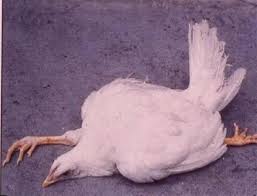
The infected cells multiply uncontrollably, forming tumors in organs, skin, and nerves.Chickens may develop paralysis of legs, wings, or neck, making it hard to move or feed.
This is why Marek’s disease is often described as a DNA-level war—because the virus doesn’t just infect, it rewrites.
Symptoms of Marek’s Disease in Chickens
Recognizing early signs can save part of your flock. Common symptoms include:Paralysis of legs or wings (classic symptom).
Head tilting or twisted neck.
Weight loss and emaciation despite normal feeding.
Vision problems or “grey eye” (iris changes color).
Tumors in skin or internal organs (detected during slaughter).
Sudden deaths in young chickens.
It’s important to note that not all chickens show the same symptoms—some die suddenly, while others linger with nerve damage.Transmission: Why It Spreads Like Wildfire
Marek’s disease is sometimes called the “ghost disease” because it spreads silently. Here’s why it’s so dangerous:Feather dander from one infected chicken can contaminate the entire poultry house.
The virus survives for months in dust and litter.
Healthy birds inhale viral particles from the air.
Once introduced, the farm environment becomes contaminated for years.
This makes biosecurity and vaccination non-negotiable.
Can Marek’s Disease Be Treated?
Unfortunately, there is no cure for Marek’s disease once chickens are infected. Antibiotics and supplements may reduce secondary infections, but they cannot reverse the DNA-level damage.The only effective strategy is prevention through vaccination and strict biosecurity measures.
Vaccination: The Best Defense
At Aaron Vet Farms Ltd, we emphasize vaccination as the frontline defense. The Marek’s vaccine is usually given to day-old chicks—before they are exposed to the virus.Timing matters: Vaccinate at hatch or within the first day of life.
Effectiveness: Vaccination does not kill the virus but prevents tumor formation and paralysis.
Longevity: Once vaccinated, protection lasts for the chicken’s lifetime.
We supply high-quality vaccines and offer training on proper administration to ensure farmers get the maximum benefit.
Biosecurity Measures to Control Marek’s Disease
Vaccination works best when combined with strong biosecurity. Farmers should adopt the all-in, all-out system and maintain strict hygiene. Recommended practices include:Limit farm access – reduce visitors and workers moving between farms.
Disinfect poultry houses regularly with effective disinfectants.
Control dust and dander – clean litter and ventilate properly.
Separate age groups – avoid mixing young chicks with older birds.
Source from trusted hatcheries – buy vaccinated chicks from reputable suppliers like Aaron Vet Farms Ltd.
Why Farmers Should Take Marek’s Disease Seriously
Marek’s disease is more than just a health issue—it’s an economic disaster if ignored:Mortality rates can reach 60% or higher in unvaccinated flocks.
Farmers lose money through sudden deaths, poor growth, and reduced egg production.
The virus persists in the farm environment, making reinfection a constant threat.
This is why every serious poultry farmer must include Marek’s vaccination and biosecurity in their management plan.
Aaron Vet Farms Ltd: Your Partner in Poultry Health
At Aaron Vet Farms Ltd, we are committed to helping farmers build profitable and disease-free poultry enterprises. We provide:
Day-old chicks vaccinated against Marek’s disease.
High-quality vaccines and veterinary drugs.
Farmer training on poultry health management.
Consultation services for disease prevention and flock productivity.
By combining science with practical farming experience, we help farmers fight the DNA-level war of Marek’s disease—and win.