
Why Your Chicks Are Piling Up in Corners: Causes, Signs, and Proven Solutions
By Aaron Vet Farms Ltd
Introduction
One of the most common and worrying sights for poultry farmers—especially during brooding—is chicks piling up in corners. Whether you’re raising broilers or layers, chick piling is a serious warning sign that something is wrong in your brooder house.
At Aaron Vet Farms Ltd, we regularly receive calls from farmers asking:
“Doctor, my chicks are crowding in the corners. What is the problem?”
The truth is simple: healthy chicks do not pile up. When they do, it usually points to poor brooding conditions, stress, or management errors that can lead to high mortality, stunted growth, and economic losses if not corrected immediately.
What Does It Mean When Chicks Pile Up in Corners?
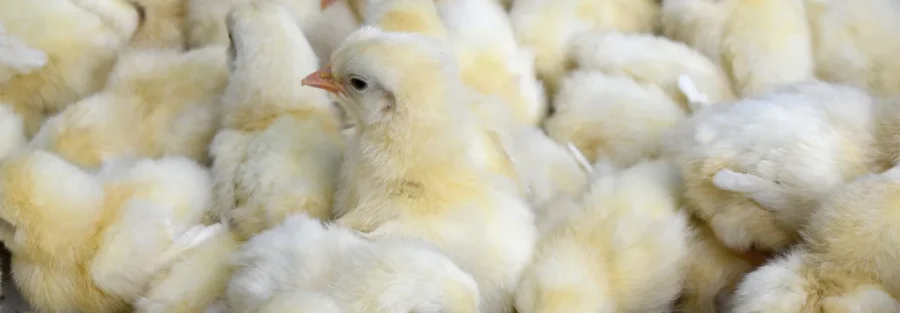
Chick piling happens when chicks crowd tightly together, often along walls or corners of the brooder. This behavior is not random—it is a survival response.
When chicks pile:
Weaker chicks suffocate
Stronger chicks become stressed
Feed intake drops
Disease risk increases Chick piling is an emergency management issue, not something to ignore.
Top Reasons Why Chicks Are Piling Up in Corners
1. Incorrect Brooding Temperature (Most Common Cause)
Temperature problems account for over 70% of chick piling cases.
When the Brooder Is Too Cold
Chicks huddle together for warmth
They move away from the heat source
Corners feel “safer” and warmer
Signs of cold stress:
Loud, continuous chirping
Tight clustering
Poor feed intake
Slow growth
Correct Brooding Temperatures:
Day 1: 32–34°C
Week 2: 29–31°C
Week 3: 26–28°C
Reduce gradually by 2–3°C per week
Tip from Aaron Vet Farms Ltd.
Always observe chick behavior—not just the thermometer.
2. Excessive Heat Stress
Too much heat can also cause piling, especially away from the heat source.
Signs of heat stress:
Chicks spread wings
Panting
Moving to corners and walls
Reduced activity
Solution:
Raise the heat source
Improve ventilation
Avoid overheating during daytime
3. Poor Ventilation and Bad Air Quality
Chicks are extremely sensitive to ammonia, carbon dioxide, and dust.
When air quality is poor:
Chicks avoid the center
They move toward corners searching for fresh air
Respiratory stress increases
Common causes:
Closed brooder houses
Wet litter
Poor airflow design
What to do:
Ensure continuous fresh air without drafts
Remove wet litter immediately
Avoid overcrowding
4. Drafts and Cold Air Leaks
Cold air blowing directly on chicks forces them to escape to corners.
Sources of drafts:
Broken curtains
Open doors
Cracks in walls
Poorly positioned fans
Solution:
Seal all openings
Use chick guards
Redirect airflow above chick level
5. Overcrowding in the Brooder
Too many chicks in a small space causes:
Competition for warmth
Stress and panic
Corner piling
Recommended stocking density (brooding):
50–60 chicks per square meter (first week)
As chicks grow, increase space weekly.
6. Bright or Uneven Lighting
Chicks instinctively move away from:
Very bright lights
Flickering bulbs
Uneven light distribution
They often retreat to darker corners, causing piling.
Best practice:
Use soft, uniform lighting
Avoid sudden light changes
Ensure bulbs are evenly spaced
7. Noise, Fear, and Stress Factors
Sudden stress can cause panic piling.
Common stress triggers:
Predators (rats, cats, dogs)
Loud noises
Rough handling
Frequent visitors
Solution:
Keep brooder calm and quiet
Control rodents
Limit unnecessary movement
8. Hunger and Thirst
Chicks without easy access to feed and water will:
Move away from the center
Cluster together in corners
Become weak and dehydrated
Ensure:
Feed trays are well distributed
Water is clean and accessible
No chick walks more than 1 meter to water
How to Read Chick Behavior (Farmer’s Guide)
Chicks tell you everything if you observe them:
Chick Behavior Meaning
Evenly spread Ideal conditions
Huddling tightly Too cold
Avoiding heat Too hot
Loud chirping Stress
Quiet, active Healthy
Always trust chick behavior more than equipment.
Dangers of Ignoring Chick Piling
If not corrected early, chick piling can lead to:
High early chick mortality
Suffocation deaths
Poor weight gain
Uneven flock growth
Disease outbreaks
Reduced profits
At Aaron Vet Farms Ltd, we have seen farms lose 20–30% of chicks within the first week due to unmanaged piling.
Step-by-Step Solutions to top Chick Piling
 Correct Temperature Daily
Use reliable thermometers
Adjust heat morning and evening
Observe chick distribution
Improve Brooder Layout
Install chick guards
Avoid sharp corners
Keep feeders and drinkers evenly placed
Improve Ventilation
Allow fresh air without chilling
Remove ammonia smell immediately
Manage Stocking Density
Reduce numbers if overcrowded
Expand brooding area weekly
Provide Stress-Free Environment
Control predators
Reduce noise
Maintain routine feeding times
Role of Veterinary Support in Chick Management
Professional guidance saves money.
At Aaron Vet Farms Ltd, we provide:
Brooding management consultation
Poultry health monitoring
Farmer training programs
Quality chicks, feeds, and veterinary products
Early intervention prevents long-term losses.
Frequently Asked Questions (FAQs)
1. Is chick piling normal?
No. Chick piling always indicates management or environmental problems.
2. Can chick piling cause death?
Yes. Chicks can suffocate or be trampled during piling.
3. How fast should I act when chicks pile?
Immediately. Delays increase mortality within hours.
4. Can piling happen even with correct temperature?
Yes—due to drafts, poor ventilation, stress, or overcrowding.
5. Why do chicks pile in corners at night?
Night temperatures often drop. Check heat levels and drafts.
6. Does chick piling affect growth rate?
Absolutely. Piled chicks eat less and grow slower.
7. How do I stop corner piling permanently?
By ensuring:
Correct temperature
Good ventilation
Proper space
Calm environment
8. Should I use chick guards?
Yes. Chick guards reduce corner piling significantly.
Final Thoughts
Chicks piling up in corners is not a disease—it is a message. Your chicks are telling you something is wrong with their environment.
By understanding chick behavior and applying proper brooding management, you can:
Reduce mortality
Improve growth performance
Maximize farm profits