
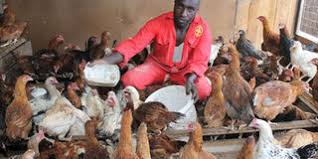
Why Vaccinated Day-Old Chicks Matter — Aaron Vet Farms Leads the Way
Starting your poultry flock on the right foot means investing in healthy, disease-resistant birds from day one. At Aaron Vet Farms, we believe that offering vaccinated day-old chicks is not just a selling point — it’s a commitment to your farm’s success, biosecurity, and long-term profitability.What “vaccinated day-old chicks” means
Why vaccinating at hatch (or day one) is critical
The vaccination protocols we use at Aaron Vet Farms
Best practices for handling and raising vaccinated chicks
How choosing vaccinated chicks from Aaron Vet Farms benefits your operation
What Are “Vaccinated Day-Old Chicks”?
A day-old chick is a chick that is one day old (or close to hatch). When we say vaccinated day-old chicks, it means that immediately or within the first 24 hours of life, the chicks receive specific vaccines to protect them against common poultry diseases.These vaccines prime the chicks’ immune systems early, giving them a better chance to resist viral and bacterial challenges as they grow. Common early vaccines include those against Marek’s disease, Newcastle disease, Infectious Bursal Disease (IBD), and others.
Many hatcheries and poultry operations globally vaccinate day-old chicks to reduce early mortality and disease outbreaks.
At Aaron Vet Farms, we adopt rigorous vaccination protocols to ensure our day-old chicks arrive strong and ready for your farm.
Why Vaccination on Day 1 Is Critical
Vaccinating chicks as early as possible offers several important advantages:Early Immune Priming
The earlier a chick’s immune system is exposed to a harmless form of a pathogen (via vaccine), the sooner it can respond if real disease hits. This early priming helps the bird mount a faster, stronger immune response.
Reduced Mortality in High-Risk Environments
Many disease agents (viruses, bacteria) are more likely to strike young birds with weak immunity. Having vaccination protection from day one can reduce losses.
Better Uniformity in Flock Health
When all chicks receive consistent vaccination, you reduce gaps in immunity across your flock — fewer “weak links” for disease to exploit.
Lower Reliance on Therapeutic Drugs
Proactive vaccination helps reduce the need for antibiotics or treatments later, which is better for both cost control and antibiotic stewardship.
Improved Performance
Healthier chicks mean better feed conversion, fewer disease dips, and stronger growth curves — which ultimately improves your margins.
Scientific studies confirm that early vaccination against diseases such as coccidiosis, Newcastle disease, and IBD can enhance performance and reduce disease burden.
Our Vaccination Protocol: Inside Aaron Vet Farms’ Process
At Aaron Vet Farms, our vaccination program for day-old chicks is designed with careful planning, quality control, and veterinary oversight. Here’s an overview of how we do it:1. Vaccine Selection & Quality Assurance
We use live-attenuated and inactivated vaccines sourced from reputable manufacturers. Each batch is tested, verified, and handled under strict cold chain protocols to maintain potency.
2. Timing & Route
Many of our vaccines are administered either in ovo (in the egg before hatch) or immediately post-hatch (day 0 or day 1). Others might be given via spray, drinking water, or subcutaneous injection, depending on the vaccine type and disease target.
3. Dosage & Safety Procedures
Each chick receives the correct dose based on manufacturer instructions and veterinary guidance. We ensure safe administration by trained staff in clean, controlled conditions.
4. Monitoring & Record Keeping
After vaccination, we monitor chicks for any adverse reactions, document batch numbers, date, and other details to maintain traceability. We also record hatchability rates, chick mortality, and early growth to detect problems.
5. Integrity & Biosecurity
Strict hygiene, disinfection, and biosecurity protocols surround the vaccination processes. Only authorized personnel access the vaccination area; equipment is sterilized regularly.
By adhering to these high standards, Aaron Vet Farms ensures that our vaccinated day-old chicks are resilient, reliable, and ready for your poultry enterprise.
Handling & Raising Vaccinated Chicks: Best Practices
Vaccination is only part of the success formula. Proper handling and rearing practices are equally important to realize the benefits. Below are recommendations:
1. Gentle Handling Immediately Post-Delivery
Vaccinated day-old chicks are somewhat more immune-protected, but still fragile. Minimize stress during transport, use soft bedding, avoid extreme temperatures, and ensure minimal handling.
2. Brooding Conditions
Maintain proper brooder temperature (≈32–35 °C for day 1, then gradually reducing), clean litter, adequate ventilation (without drafts), and good lighting schedules. These environmental controls support recovery and immunity.
3. Water & Feed Access
Provide clean, fresh water and starter feed immediately. Water lines and drinkers should be sanitized. Good nutrition ensures the immune system can respond properly.
4. Observe the Chicks
For the first 3–5 days, monitor chicks for signs of stress, uneven growth, or vaccine reactions (rare but possible). Address issues promptly.
5. Follow Supplementary Vaccines
While day-one vaccination handles initial disease threats, follow-up vaccines (e.g. for coccidiosis) may be scheduled later. Stick to your vaccination calendar as recommended by a veterinarian. Aaron Vet Farms provides guidance and reminders for these.
6. Avoid Overcrowding & Stress
Even vaccinated birds are susceptible to stress-induced immune suppression. Provide adequate floor space, reduce sudden changes, limit noise, and maintain stable routines.
7. Maintain Biosecurity
Segregate new flocks, prevent cross-flock contact, disinfect equipment, control visitor access, and ensure vector (rodent/insect) control.
With these practices, vaccinated day-old chicks achieve their full potential in health and performance.
Why Choose Vaccinated Day-Old Chicks from Aaron Vet Farms?
When you purchase vaccinated day-old chicks from Aaron Vet Farms, you gain several advantages — some ovious, others subtle but meaningful over the long run:
 Superior Health Assurance
Our chicks come vaccinated under controlled, veterinary-supervised protocols. This reduces your farm’s initial disease risk.
Reduced Early Mortality & Losses
Even the best farm can face disease challenges — but starting with vaccinated chicks provides a critical protective layer from day one.
Cost Efficiency
Though vaccinated chicks may cost a bit more upfront, the savings in treatment, mortality, and performance consistency often make them cheaper per surviving, marketable bird.
Trusted Traceability & Documentation
We provide full documentation — vaccine batch numbers, administration dates, records — giving you transparency and confidence in flock health management.
Support & Advisory
When you buy from us, you gain access to our veterinary support, guidance on follow-up vaccination schedules, handling tips, and troubleshooting.
Brand Reputation
Because Aaron Vet Farms invests in quality, our clients often market their eggs or meat as originating from “disease-protected” birds. It can be a marketing advantage in your region.
In fact, many customers prefer our chicks—even if competitors offer lower unvaccinated prices—because of the long-term reliability. As one case study recounts: “our customers preferred healthy, active, and vaccinated chicks — a hallmark of Aaron Vet Farms Ltd.”
FAQ: Common Questions About Vaccinated Day-Old Chicks
Q: Can vaccination harm day-old chicks?
A: When done correctly, vaccines are safe. Mild reactions (slight lethargy or reduced feed intake) can happen briefly. Serious adverse events are rare under proper handling and veterinary supervision.
Q: Does vaccination eliminate the need for biosecurity or hygiene?
A: No. Vaccines are a layer of defense, not a substitute. You must maintain strict hygiene, biosecurity, and environmental management to protect your flock.
Q: Should I vaccinate again later?
A: Yes. Many vaccination programs require booster doses or additional vaccines (e.g. against coccidiosis) later in life to maintain immunity.
Q: Do vaccinated chicks perform as well as unvaccinated ones under ideal conditions?
A: Yes — and often better. In many trials, vaccinated chicks show better survival, uniformity, and fewer disease dips.
Q: What vaccines do you use at Aaron Vet Farms?
A: We tailor vaccines based on local disease pressure, risk assessment, and veterinary protocols. Common targets include Marek’s disease, Newcastle disease, Infectious Bursal Disease (IBD), and sometimes respiratory or enteric disease vaccines.
Final Thoughts
Raising poultry is a balancing act of cost, risk, and performance. Starting with vaccinated day-old chicks gives you a stronger position from day one. At Aaron Vet Farms, we don’t just sell chicks — we provide a foundation for your success.
When you partner with us, you’re not just buying birds — you’re buying:
Health assurance
Lower disease risks
Supportive documentation
Veterinary-backed guidance
If you’d like to order vaccinated day-old chicks, learn our vaccination schedule, or request advisory support for your farm, just reach out. Let us help your poultry venture thrive from the start.