
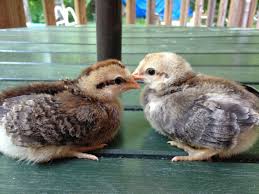
Sexing Chicks: How to Identify Male and Female Chicks – A Complete Guide by Aaron Vet Farms
Learn how to identify male and female chicks easily. Aaron Vet Farms explains chick sexing methods, importance, and how proper sexing boosts productivity and profits in poultry farming.Introduction
Sexing chicks—determining whether a chick is male or female—is one of the most important practices in modern poultry farming. Whether you are raising layers, broilers, or indigenous breeds, knowing the sex of your chicks early helps you manage your flock efficiently, reduce feeding costs, and achieve higher profitability.At Aaron Vet Farms, we understand that proper chick sexing ensures that farmers get exactly what they need—layers for egg production or broilers for meat. In this blog, we’ll explore how to sex chicks, why it matters, common techniques used, and how Aaron Vet Farms guarantees accuracy and quality in chick sexing.
1. What Is Chick Sexing?
Chick sexing is the process of identifying whether a newly hatched chick is a male (cockerel) or female (pullet). Since chicks look very similar when they hatch, determining their sex by visual observation alone can be difficult for untrained eyes. Professional hatcheries like Aaron Vet Farms use specialized techniques to ensure that farmers receive the exact type of chicks they order.Sexing is critical because:
Layer farmers only need female chicks for egg production.
Broiler farmers may prefer males due to their faster growth rate and higher meat yield.
It helps in balanced feeding, housing, and management planning.
2. Importance of Chick Sexing in Poultry Farming
a) Efficient Flock Management
Knowing the sex of your chicks allows you to manage them according to their purpose. For instance, female layer chicks can be given feed formulated for egg production, while male broilers can be raised for meat.b) Cost and Feed Efficiency
Feeding unsexed chicks can waste resources. Male chicks in a layer flock consume feed but do not lay eggs, leading to unnecessary expenses. Sexing helps farmers save on feed and space.c) Market Targeting
Farmers can plan marketing strategies better when they know the sex composition of their flock. Layers are sold for egg production, while cockerels fetch better prices in meat markets.d) Disease Management
Male and female chicks often have different growth rates and disease susceptibilities. Separating them early helps in targeted health management and vaccination schedules.At Aaron Vet Farms, we emphasize accurate chick sexing to guarantee that our clients get healthy, sexed chicks that align with their production goals.
3. Methods of Chick Sexing
There are several ways to determine the sex of chicks. The choice of method depends on the breed, accuracy required, and available expertise. Below are the main chick sexing techniques used in hatcheries and farms:a) Vent Sexing (Cloacal Sexing)
Vent sexing is the most reliable but also the most technical method. It involves examining the chick’s vent (cloaca) to identify small differences in the genital structure between males and females.How it’s done: A trained sexer gently squeezes the chick to expose the vent area and looks for a small bump (the rudimentary male organ).
Accuracy: 95–98% when done by an expert.
Advantages: Works for all breeds and is highly accurate.
Disadvantages: Requires skilled personnel and proper hygiene to prevent chick injury or infection
At Aaron Vet Farms Hatchery, our professional sexers are trained to handle chicks delicately using the vent sexing method to ensure precision and chick safety.
b) Feather Sexing
Feather sexing is commonly used in certain hybrid breeds, especially in commercial layer and broiler lines that have been genetically bred for feather differences.How it works: The length and pattern of the wing feathers differ between males and females immediately after hatching.
Female chicks usually have primary feathers longer than the cover feathers.
Male chicks have feathers of nearly equal length.
Accuracy: Around 90–95%.
Advantages: Simple, fast, and non-invasive.
Disadvantages: Only works for specific hybrid breeds designed for feather sexing.
Aaron Vet Farms uses feather sexing for hybrid layers and broilers to ensure farmers get correctly identified chicks without stress or injury.
c) Color Sexing (Sex-Linked Crossbreeds)
In some crossbred chickens, male and female chicks differ in down color at hatching due to sex-linked genetic traits.Example: In certain breeds, female chicks may appear brown, while males appear yellow or white.
Accuracy: 98–100% when breeds are properly managed.
Advantages: Fast and non-invasive.
Disadvantages: Limited to specific crossbreeds.
Aaron Vet Farms supplies sex-linked hybrid chicks that can be easily identified by color, making it easier for farmers to manage their flocks efficiently.
d) DNA Sexing (Molecular Method)
DNA sexing is a modern method that uses a small sample (like a feather or blood) to determine the genetic sex of the chick. It’s often used in research, breeding programs, and rare bird species.Accuracy: 100%.
Advantages: Completely reliable and non-invasive.
Disadvantages: Expensive and not practical for large-scale commercial hatcheries.
4. When Is Chick Sexing Done?
Chick sexing is typically performed immediately after hatching, within the first 24 hours. This timing ensures:Less stress on the chicks.
Easier handling.
Early sorting for delivery to farmers.
At Aaron Vet Farms Hatchery, sexing is done right after the chicks are dried and before packaging. Each chick is checked, sorted, and packed according to the farmer’s order—whether you want 100% pullets, cockerels, or mixed batches.
5. How Aaron Vet Farms Ensures Accurate Chick Sexing
At Aaron Vet Farms, we take chick sexing seriously because we understand it directly affects our customers’ productivity. Our process includes:Professional Sexers: Trained experts with years of experience in vent and feather sexing.
Hygiene and Biosecurity: Our hatchery follows strict sanitary measures to prevent infections during handling.
Breed-Specific Methods: We use feather sexing for hybrids and vent sexing for pure breeds to ensure the highest accuracy.
Quality Assurance: Before dispatch, chicks are double-checked for sexing accuracy and general health.
Customer Satisfaction: Farmers receive exactly what they order, ensuring predictable and profitable farming results.
By investing in professional chick sexing, Aaron Vet Farms provides farmers with a guarantee of accuracy, health, and quality.
6. Challenges in Chick Sexing
Despite its importance, chick sexing can be challenging. Some of the common issues include:Human Error: Inexperienced sexers can make mistakes leading to mixed batches.
Breed Limitations: Some breeds do not show clear feather or color differences.
Stress and Injury: Mishandling chicks during sexing can cause stress or mortality.
Cost Implications: Training and skilled labor increase hatchery operational costs.
Aaron Vet Farms overcomes these challenges through continuous staff training, breed selection, and technology adoption to ensure that every chick leaving the hatchery is accurately sexed and healthy.
7. How Farmers Benefit from Buying Sexed Chicks from Aaron Vet Farms
When you purchase sexed chicks from Aaron Vet Farms, you enjoy several benefits: Guaranteed Accuracy: Receive chicks sorted by sex—no guesswork. Optimized Feeding: Save money by feeding your flock according to their needs. Improved Profit Margins: Avoid raising unwanted males in a layer project. Better Flock Planning: Easily project egg production, space, and future income. Professional Support: Our veterinary team provides follow-up advice on chick management, feeding, and vaccination.
Aaron Vet Farms is committed to providing farmers across Uganda and East Africa with reliable, high-quality, and accurately sexed chicks for sustainable poultry production.
8. Common Myths About Chick Sexing
Many small-scale farmers hold misconceptions about chick sexing. Let’s debunk some: Myth 1: “You can tell by behavior.”
➤ Reality: Day-old chicks’ behavior doesn’t reliably indicate sex.
Myth 2: “Males are heavier at hatching.”➤ Reality: Weight difference is too small to be accurate.
Myth 3: “Chicks that chirp loudly are males.”➤ Reality: Both sexes chirp; sound is not a sexing method.
Trust professional hatcheries like Aaron Vet Farms, not myths, for accurate chick sexing.
9. Best Practices After Receiving Sexed Chicks
Once you’ve received your sexed chicks from Aaron Vet Farms, follow these tips for success:Ensure proper brooding temperature (32–35°C) for the first week.
Provide clean water with glucose and multivitamins upon arrival.
Use recommended feeds based on chick type (starter mash for layers, broiler starter for meat birds).
Maintain proper vaccination schedules.
Keep males and females separated if both are present.
These steps help reduce stress and mortality, ensuring strong and healthy growth.
10. Conclusion
Chick sexing is a vital component of successful poultry farming. It helps farmers save money, plan better, and achieve specific production goals. Whether you are focusing on egg production or meat farming, knowing your chicks’ sex early is essential.At Aaron Vet Farms, we are dedicated to providing sexed, healthy, and high-performing chicks through advanced hatchery practices and professional care. Our mission is to help farmers across Uganda and East Africa achieve maximum productivity and profitability through reliable chick supply and veterinary support.