
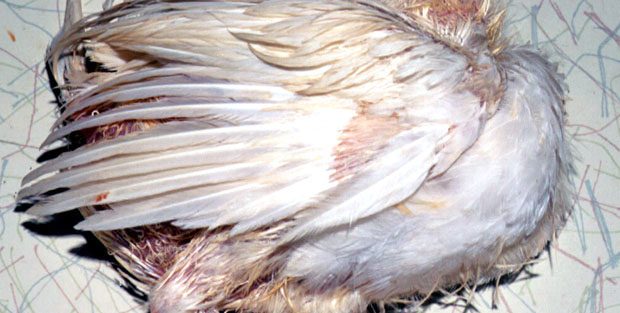
Vitamin E/Selenium and Vitamin B-Complex Deficiency in Poultry: Symptoms, Causes and Prevention
Vitamin deficiencies can quietly reduce poultry growth, egg production, fertility, immunity, and overall farm profitability. Among the important nutritional problems poultry farmers may encounter are Vitamin E and selenium deficiency and Vitamin B-complex deficiency. These deficiencies can affect broilers, layers, breeders, chicks, and growing birds when diets are poorly balanced, feed quality declines, or birds face nutritional and environmental stress.
For poultry farmers in Uganda, understanding the causes, signs, prevention, and management of vitamin deficiencies is essential for maintaining healthy and productive flocks. At Aaron Vet Farms Ltd, we support farmers with quality poultry products, feeds, veterinary guidance, and practical solutions for profitable poultry production.
What Is Vitamin E/Selenium Deficiency in Poultry?
Vitamin E and selenium work together as important nutrients involved in antioxidant protection, immune function, muscle health, reproduction, and normal growth. Vitamin E helps protect body tissues from oxidative damage, while selenium forms part of important antioxidant enzymes.
A deficiency of either nutrient can cause serious health and production problems. In many cases, inadequate Vitamin E and selenium occur together, especially where birds receive poorly formulated feed, old feed, or feed made from ingredients with insufficient nutrient levels.
Common Causes of Vitamin E/Selenium Deficiency
Several factors can contribute to Vitamin E and selenium deficiency in poultry:
Poorly balanced poultry feed
Inadequate vitamin and mineral premixes
Use of low-quality or improperly stored feed
Feed ingredients with naturally low levels of these nutrients
Long-term feed storage and nutrient degradation
Increased nutritional requirements during rapid growth or production
Disease and other conditions that increase nutritional stress
Poor feed formulation on the farm
Farmers should remember that vitamins are only effective when supplied at appropriate levels as part of a properly balanced ration.
Symptoms of Vitamin E/Selenium Deficiency in Poultry
The signs can vary depending on the age and type of bird, the severity of the deficiency, and whether other nutritional or disease problems are present.
1. Poor Growth
Young chicks may grow slowly and show poor body development. Broilers may fail to reach their expected market weight because of reduced feed utilization and overall health problems.
2. Weakness and Poor Coordination
Affected birds may appear weak, have difficulty standing, or show abnormal movement. Severe deficiency can be associated with neurological and muscular problems.
3. Reduced Immunity
Vitamin E and selenium are involved in antioxidant and immune functions. Birds with inadequate levels may be more vulnerable to stress and infectious diseases.
4. Reduced Egg Production
In layers and breeders, nutritional deficiencies may contribute to reduced laying performance, poor reproductive results, and reduced flock productivity.
5. Poor Fertility and Hatchability
Breeding birds require adequate nutrition for successful reproduction. Vitamin E and selenium deficiency can negatively affect fertility, embryo development, and hatchability.
6. Muscle Problems
Severe deficiency may be associated with nutritional muscular disorders. Chicks can become weak, inactive, or reluctant to move normally.
What Is Vitamin B-Complex Deficiency in Poultry?
The Vitamin B-complex group includes several water-soluble vitamins, such as thiamine (B1), riboflavin (B2), niacin (B3), pantothenic acid (B5), pyridoxine (B6), folate, and vitamin B12. These vitamins have different functions but generally support energy metabolism, nervous-system function, blood formation, growth, skin and feather development, and normal digestion.
Because B vitamins are involved in many body processes, deficiency can cause a wide variety of symptoms.
Causes of Vitamin B-Complex Deficiency
Vitamin B-complex deficiency may result from:
Poor-quality or improperly formulated feed
Inadequate vitamin premix
Damaged or stale feed
Prolonged feed storage under poor conditions
Feed contamination or ingredient quality problems
Certain digestive disorders that affect nutrient utilization
Increased requirements during disease, stress, or rapid growth
Incorrect feed mixing
Some B vitamins can also be affected by poor storage and feed-processing conditions, which is why good feed management is important.
Symptoms of Vitamin B-Complex Deficiency in Poultry
Signs depend on which B vitamin is deficient and how severe the deficiency has become.
Poor Appetite and Slow Growth
Chicks may eat poorly and show reduced growth. Birds may fail to perform according to their expected genetic potential.
Weakness and Neurological Signs
Some B-vitamin deficiencies can cause weakness, poor coordination, difficulty walking, or other neurological abnormalities.
Poor Feathering
Birds may develop poor feather quality or delayed feather development. This can be particularly noticeable in young birds.
Reduced Egg Production
Layers may show reduced productivity when their diet does not supply adequate B vitamins and other essential nutrients.
Leg Problems
Certain B-vitamin deficiencies can contribute to leg weakness, abnormal movement, and poor mobility in young birds.
Pale Appearance and Poor Condition
Depending on the specific deficiency, birds may show poor body condition, reduced vitality, or other signs associated with inadequate nutrition.
How Can Poultry Farmers Prevent Vitamin Deficiencies?
Prevention is usually more effective and economical than waiting until severe deficiency develops.
Use Quality Poultry Feed
Provide properly formulated chick mash, grower feed, broiler feed, layer feed, or breeder feed according to the age and production stage of the birds.
Store Feed Correctly
Keep feed in a cool, dry, clean, and well-ventilated place. Protect it from moisture, direct sunlight, rodents, insects, and contamination.
Use Quality Vitamin and Mineral Premixes
Where supplementation is required, use a reliable poultry vitamin and mineral product at the recommended dosage. Avoid guessing dosages because excessive supplementation can also be harmful.
Reduce Stress
Overcrowding, poor ventilation, extreme temperatures, transportation, sudden feed changes, and disease outbreaks can increase nutritional demands. Good flock management helps birds use nutrients more effectively.
Maintain Good Biosecurity
Biosecurity reduces disease pressure and helps prevent health problems that can interfere with feed intake and nutrient utilization.
Consult a Poultry Veterinarian
Vitamin deficiency can resemble other nutritional disorders, infections, poisoning, or management problems. Proper diagnosis helps ensure that the correct treatment is provided rather than treating symptoms blindly.
Can Vitamin Supplements Treat Deficiency?
Vitamin supplementation may be useful when a deficiency is confirmed or suspected by a qualified poultry professional. However, supplementation should be based on the bird’s age, production stage, feed quality, severity of the problem, and overall flock condition.
Farmers should be particularly careful with selenium, because the difference between an adequate amount and an excessive amount can be relatively small. Over-supplementation may cause toxicity.
For this reason, always follow the product label and professional veterinary instructions.
Why Poultry Nutrition Matters for Farm Profitability
Good poultry nutrition is not simply about preventing disease. It directly affects growth rate, feed conversion, egg production, fertility, hatchability, flock uniformity, and profitability.
A flock receiving a balanced ration is better positioned to reach its production potential. By contrast, nutritional deficiencies can result in slower growth, increased production costs, poor performance, and unnecessary losses.
Farmers should therefore treat feed quality as a major part of poultry farm management.
Get Poultry Nutrition and Veterinary Support from Aaron Vet Farms Ltd
At Aaron Vet Farms Ltd, we help poultry farmers make informed decisions about poultry health, nutrition, disease prevention, farm management, chicks, feeds, and veterinary services.
Whether you are managing a small backyard flock or a commercial poultry farm, identifying nutritional problems early can help protect your investment and improve flock performance.
For professional guidance on poultry vitamins, feeds, day-old chicks, poultry diseases, and veterinary services in Uganda, contact Aaron Vet Farms Ltd for practical support tailored to your farm.
Frequently Asked Questions
What causes Vitamin E and selenium deficiency in chickens?
Common causes include poorly balanced feed, inadequate premixes, poor feed storage, nutritional stress, and feed ingredients that do not provide sufficient nutrients.
What are the signs of B-complex deficiency in poultry?
Signs may include poor growth, weakness, poor feathering, reduced appetite, abnormal movement, leg problems, and reduced production, depending on the particular B vitamin involved.
Can vitamin deficiency reduce egg production?
Yes. Nutritional deficiencies can contribute to poor laying performance and reduced reproductive efficiency, particularly when deficiencies are prolonged or severe.
Can I give poultry vitamins without veterinary advice?
Some vitamin supplements are routinely used in poultry production, but proper dosage is important. A veterinarian or qualified poultry professional can help identify the appropriate product and amount.
Conclusion
Vitamin E/selenium deficiency and Vitamin B-complex deficiency in poultry can negatively affect growth, immunity, reproduction, egg production, and overall flock performance. The best strategy is prevention through balanced feed, proper storage, good management, biosecurity, and appropriate supplementation.
When unusual weakness, poor growth, reduced egg production, poor feathering, or neurological signs appear, do not assume the problem is simply a vitamin deficiency. Seek professional veterinary assessment to identify the underlying cause.
Aaron Vet Farms Ltd is committed to helping poultry farmers in Uganda improve flock health, nutrition, productivity, and profitability through quality poultry products and practical veterinary support.