
Poultry Feeder Designs for Small-Scale Chicken Farmers: A Complete Guide to Choosing the Best Feeders
AARON VET FARMS LTD | POULTRY FARMING | FARM MANAGEMENT
Introduction
Successful poultry farming begins with proper feeding management. Whether you are raising broilers, layers, Sasso, Kuroilers or local chicken breeds, choosing the right poultry feeder can significantly influence feed consumption, chicken growth, farm hygiene and overall profitability. For small-scale chicken farmers, selecting affordable, durable and efficient poultry feeder designs is particularly important because every kilogram of feed counts.
Poultry feed is one of the biggest expenses in chicken production. Poorly designed feeders can lead to feed wastage, contamination, overcrowding and uneven feeding among birds. Fortunately, there are several poultry feeder designs suitable for small-scale farmers, ranging from traditional feeding troughs to modern automatic feeders.
At Aaron Vet Farms Ltd, we encourage poultry farmers to invest in proper feeding equipment and good management practices to improve productivity and reduce unnecessary farm expenses.
1. Why Choosing the Right Poultry Feeder Matters
A poultry feeder is equipment designed to hold and distribute chicken feed while allowing birds to eat comfortably.
Choosing the right feeder is important for several reasons:
– Reduces feed wastage: Proper feeder designs prevent chickens from scratching and throwing feed onto the floor.
– Improves feed hygiene: Feeders protect chicken feed from droppings, dirt and moisture.
– Promotes uniform growth: Providing sufficient feeding space allows more birds to access feed.
– Saves money: Reduced feed wastage helps lower poultry production costs.
– Improves farm management: Well-designed feeders make feeding easier and reduce unnecessary labour.
– Supports healthy chickens: Clean feeders help minimize contamination risks.
For small-scale poultry farmers, these benefits can make a considerable difference in the profitability of the business.
2. Common Poultry Feeder Designs for Small-Scale Farmers
There are different types of poultry feeders available in Uganda and other East African markets. The best choice depends on your flock size, chicken age, production system and available budget.
A. Plastic Hanging Poultry Feeders
Plastic hanging feeders are among the most popular options for small-scale poultry farmers. They are usually made from durable plastic and suspended above the ground using a rope or adjustable hanging mechanism.
They are suitable for broilers, layers and indigenous chicken breeds.
Advantages:
– Easy to clean and maintain.
– Lightweight and affordable.
– Adjustable height as chickens grow.
– Reduces feed contamination from litter.
– Helps minimize feed wastage.
Disadvantages:
– Poor positioning may cause feed spillage.
– Low-quality plastic can break easily.
– Requires regular adjustment as birds grow.
These feeders are particularly suitable for farmers keeping between 50 and 500 chickens.
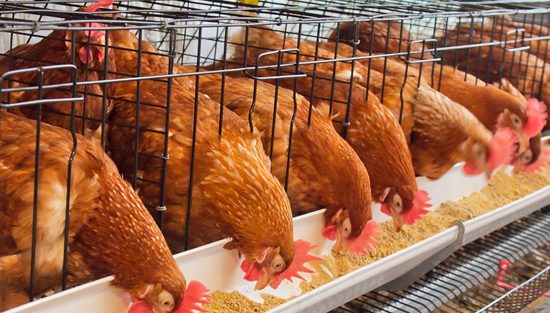
B. Manual Trough Poultry Feeders
Manual trough feeders are long feeding containers made from plastic, galvanized metal or other suitable materials. They allow several chickens to feed simultaneously.
They are commonly used in small poultry houses because they are simple and relatively inexpensive.
Advantages:
– Affordable and easy to find.
– Simple to clean.
– Allows multiple chickens to feed.
– Suitable for different chicken breeds.
– Does not require electricity.
Disadvantages:
– Chickens may scratch feed out of the trough.
– Feed can become contaminated by droppings.
– Requires frequent refilling.
– Can encourage overcrowding if feeding space is insufficient.
Farmers should select troughs with anti-waste edges to reduce unnecessary feed losses.
C. Automatic Poultry Feeders
Automatic poultry feeders are modern feeding systems designed to distribute feed with minimal manual labour. They commonly use feed lines, motors, hoppers and feeding pans to distribute feed throughout the poultry house.
Although they require a higher initial investment, they can be useful for farmers planning to expand their poultry businesses.
Advantages:
– Reduces manual feeding labour.
– Distributes feed more consistently.
– Saves time on large poultry farms.
– Can improve feeding management.
– Helps maintain regular feed availability.
Disadvantages:
– Higher installation costs.
– Requires maintenance and technical knowledge.
– Mechanical failures can interrupt feeding.
– Some systems require electricity.
For small-scale farmers, automatic feeders may be more economical when the flock becomes large enough to justify the investment.
D. DIY Poultry Feeders
DIY (Do-It-Yourself) poultry feeders are homemade feeding containers constructed using locally available materials such as PVC pipes, plastic buckets and suitable containers.
They are particularly attractive to farmers starting poultry farming with limited capital.
Advantages:
– Low construction costs.
– Easy to customize.
– Materials are locally available.
– Can reduce initial farm investment.
Disadvantages:
– Poor designs may cause excessive feed wastage.
– Some materials may be difficult to clean.
– Sharp edges can injure chickens.
– Homemade feeders may not distribute feed evenly.
Farmers should ensure that DIY feeders are stable, smooth-edged, easy to clean and safe for poultry.
E. Chick Starter Feeders
Chick starter feeders are specifically designed for young chicks, particularly during the brooding stage.
Newly hatched chicks require easy access to feed because they are still developing their feeding habits.
These feeders are usually shallow trays or small plastic containers that allow chicks to reach feed comfortably.
Advantages:
– Easy for young chicks to access.
– Encourages early feeding.
– Simple to clean.
– Suitable for brooding facilities.
Disadvantages:
– Requires frequent cleaning.
– Chicks may scatter feed.
– Small capacity means frequent refilling.
As chicks grow, farmers should gradually introduce appropriate larger feeders.
3. How to Choose the Best Poultry Feeder for Your Farm
Selecting the right poultry feeder requires consideration of several factors.
1. Number of chickens
Your flock size determines the number and capacity of feeders required. A farmer keeping 100 chickens will need a different feeding arrangement from someone managing 1,000 birds.
2. Age of the chickens
Young chicks require shallow feeders, while mature broilers and layers need larger feeders positioned at appropriate heights.
3. Type of poultry production
Broiler farmers should prioritize feeders that support easy access and consistent feeding. Layer farmers should consider durable feeders that maintain cleanliness and reduce wastage.
4. Cost and durability
Choose feeders that fit your budget without compromising quality. A cheap feeder that breaks frequently may cost more in the long run.
5. Ease of cleaning
Feeders should be easy to dismantle, wash and dry. Proper cleaning helps prevent the accumulation of contaminated feed and harmful microorganisms.
6. Feed wastage control
Choose feeders with raised edges, anti-scratch designs or grills that prevent chickens from throwing feed onto the ground.
4. Tips for Proper Poultry Feeder Management
Buying good poultry feeders is only the first step. Proper management is equally important.Here are some practical tips:
– Position feeders at approximately the height of the birds’ backs, adjusting them as chickens grow.
– Provide enough feeding space to minimize competition.
– Avoid filling feeders excessively.
– Clean feeders regularly and remove wet or contaminated feed.
– Distribute feeders evenly throughout the poultry house.
– Inspect feeders regularly for cracks and damaged parts.
– Keep feeders away from leaking drinkers.
– Monitor feed consumption to identify possible health or management problems.
Farmers should also follow manufacturer recommendations for feeder capacity and the appropriate number of birds per feeder.
5. Common Mistakes to Avoid When Using Poultry Feeders
Even experienced poultry farmers sometimes make mistakes that increase feeding costs.Common mistakes include:
Overfilling feeders: Excessive feed encourages spillage and wastage.
Using too few feeders: This creates competition, preventing some chickens from accessing sufficient feed.
Incorrect feeder height: Feeders positioned too high or too low make feeding uncomfortable and increase wastage.
Poor cleaning practices: Dirty feeders can contaminate feed and contribute to disease transmission.
Using damaged feeders: Cracked containers and sharp edges can cause injuries and make cleaning difficult.
Avoiding these mistakes helps improve poultry performance and farm profitability.
6. Where Can Small-Scale Farmers Get Quality Poultry Feeding Equipment in Uganda?
Small-scale poultry farmers in Uganda can obtain feeding equipment from agricultural input suppliers, poultry equipment dealers and specialized veterinary service providers.When purchasing poultry feeders, consider quality, durability, capacity and suitability for your chicken breed and production system.
Aaron Vet Farms Ltd supports poultry farmers with practical farming information and guidance on poultry production, including feeding management, chick rearing, farm hygiene, vaccination and disease prevention.
Whether you are starting with 50 chicks or planning to expand to thousands of birds, investing in proper feeding equipment is an important step towards building a successful poultry business.
Conclusion
Choosing the right poultry feeder design is essential for small-scale chicken farmers who want to reduce feed wastage, improve chicken growth and increase profitability. From plastic hanging feeders and manual troughs to automatic feeding systems and homemade alternatives, each design has advantages depending on the size and needs of your poultry farm.For beginners, simple plastic feeders and manual troughs can provide an affordable starting point. As the business expands, investing in more efficient feeding systems can improve farm management and reduce labour costs.
Remember that profitable poultry farming is not just about buying quality chicks and feeds. Proper feeding equipment, hygiene, vaccination and good management practices all contribute to successful production.
Choose the right feeders, manage your feed properly and build a more profitable poultry farm with Aaron Vet Farms Ltd