
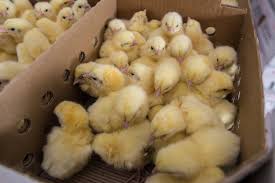
How Long Should You Brood Day-Old Chicks? A Complete Guide for Poultry Farmers in Uganda
Raising healthy chickens begins with proper brooding. For poultry farmers in Uganda, understanding how long to brood day-old chicks is essential for improving chick survival, promoting fast growth, reducing feed wastage, and increasing farm profitability. Whether you are raising broilers, layers, Kuroilers, or Sasso chickens, the first few weeks of life require careful attention to temperature, feeding, drinking water, ventilation, and hygiene.
At Aaron Vet Farms Ltd, we encourage poultry farmers to follow good brooding practices from the moment chicks arrive. But how many weeks should you brood chicks before removing the extra heat? The answer depends on the chicks’ age, feather development, environmental temperature, and behaviour.
How Long Should You Brood Day-Old Chicks?
In most poultry production systems, day-old chicks require supplemental heat for approximately 3–4 weeks, although some flocks may need it for longer in cold conditions. The correct duration depends on whether chicks can maintain their body temperature comfortably without artificial heating.
Newly hatched chicks cannot regulate their body temperature effectively. They rely on the warmth provided by a brooder, heat lamps, gas brooders, charcoal brooders, or another suitable heating system.
The brooding period is especially important during the first 7–14 days, when chicks are most vulnerable to cold stress, dehydration, poor feeding, and disease.
Farmers should not remove heat simply because the chicks have reached a particular age. Instead, reduce the temperature gradually while observing chick behaviour and checking the conditions inside the brooder.
Recommended Brooding Period by Chick Age
The following guide provides a practical starting point for brooding day-old chicks in Uganda.
Chick age temperature Main priority
Day 1–7 32–35°C Provide consistent warmth and easy access to feed and water
Day 8–14 29–32°C Reduce heat gradually and encourage active feeding
Day 15–21 26–29°C Monitor feather development and chick distribution
Day 22–28 23–26°C, where supplemental heat is still needed Assess whether chicks can remain comfortable without extra heat
After 4 weeks Depends on weather and feathering Remove supplemental heat when conditions permit
These temperatures are approximate guidelines, not rigid targets. Follow the recommendations for your breed and equipment, measure temperature at chick level, and adjust according to chick behaviour. The temperature beneath a heat source may differ from the temperature at the brooder’s edge.
For farmers raising chicks during cold or rainy weather, supplemental heating may be necessary beyond four weeks. In warmer conditions, chicks may need less artificial heat as they grow and develop feathers.
5 Signs Your Chicks Are Ready to Stop Brooding
Knowing when to stop brooding is just as important as knowing how to start. Observe your flock daily for the following signs.
1. Chicks are evenly distributed
Healthy, comfortable chicks move freely around the brooder. They are not constantly huddling beneath the heat source or avoiding it completely.
2. Feathers are developing well
As chicks grow, their down is gradually replaced by feathers. Better feather coverage helps them maintain body temperature, although feathering alone does not mean they are ready for cold conditions.
3. They eat, drink, and move normally
Active chicks that feed regularly, drink water, and move comfortably are more likely to be coping well with their environment.
4. They rest comfortably
Chicks should settle quietly when resting. Persistent loud chirping, tight huddling, or piling together can indicate cold stress or another problem.
5. They tolerate cooler temperatures
Reduce supplemental heat gradually and observe the flock, especially overnight and during rainy weather. If chicks become cold, restore appropriate warmth.
How to Brood Day-Old Chicks Successfully
For the best results, poultry farmers should manage the following conditions throughout the brooding period.
1. Prepare the brooder before arrival
Clean and disinfect the poultry house before introducing chicks. Replace old litter with clean, dry material such as suitable wood shavings. Preheat the brooder at least 24 hours before arrival to warm the floor and confirm that the equipment works properly.
2. Maintain the correct temperature
Use a reliable thermometer positioned at chick level. Reduce the temperature gradually as chicks grow, adjusting for the heating system, outside weather, and flock behaviour. Avoid sudden temperature changes.
3. Provide quality chick starter feed
Supply an appropriate commercial chick starter feed from the beginning. Ensure that feeders are accessible and that smaller chicks can reach the feed easily. Good nutrition supports early growth, feather development, and immune function.
4. Supply clean drinking water
Fresh, clean water must be available at all times. Use suitable drinkers that allow chicks to drink without falling into the water. Check them frequently, particularly during hot weather.
5. Keep litter dry and ventilation adequate
Wet litter encourages harmful microbial growth and increases the risk of poor flock health. Remove wet patches promptly and provide fresh air without exposing chicks to direct cold draughts.
6. Follow a vaccination and biosecurity plan
Obtain vaccination records from your chick supplier and consult a qualified veterinary professional about the appropriate vaccination schedule. Restrict unnecessary visitors, clean equipment regularly, and isolate sick birds when advised.
These measures work together. Even a perfectly heated brooder cannot compensate for contaminated water, poor feed, overcrowding, or inadequate ventilation.
Common Brooding Mistakes Poultry Farmers Should Avoid
The following mistakes can increase chick mortality and reduce farm profitability:
– Removing heat too early: Young chicks may suffer from cold stress before they are adequately feathered.
– Overheating the brooder: Excessive heat can cause panting, dehydration, and reduced feed intake.
– Ignoring chick behaviour: Thermometer readings should be combined with direct observation of the flock.
– Overcrowding chicks: Crowding limits access to feed and water and increases competition.
– Using damp litter: Wet bedding contributes to poor hygiene and uncomfortable conditions.
– Switching off heat suddenly: Gradual adjustments allow chicks to adapt to changing temperatures.
Good brooding management can reduce avoidable losses and improve growth performance. Cold stress, in particular, may divert energy away from growth and increase feed requirements.
Does Brooding Duration Differ Between Broilers and Layers?
Yes, management requirements can differ.
Broilers: These meat birds grow quickly, and some commercial systems reduce supplemental heat earlier when housing conditions are suitable. However, many small-scale farmers still need to provide warmth for approximately three to four weeks, depending on the weather and housing.
Layers: Layer chicks are raised for egg production and remain in the rearing system for much longer. Their brooding and early rearing temperature programmes must be managed carefully to support healthy development. Some layer management systems require supplemental heat for longer than four weeks.
Kuroilers and Sasso chickens: These dual-purpose or improved breeds also need careful early brooding. Their exact heat requirements depend on age, feather development, housing, and environmental conditions.
Do not apply one fixed schedule to every breed or production system. Follow the supplier’s management recommendations and adjust to actual conditions.
Frequently Asked Questions (FAQs)
1. Can I stop brooding chicks after two weeks?
Some chicks may tolerate reduced supplemental heat after two weeks in warm, well-managed housing. However, many flocks still require additional warmth. Assess feather development, temperature, and behaviour before removing heat completely.
2. What temperature is best for day-old chicks?
A commonly used starting target is approximately 32–35°C at the appropriate chick-level measurement point during the first week. The exact target depends on the brooder design and heating method.
3. Should I brood chicks at night?
Yes. Chicks may need supplemental heat at night because temperatures can drop significantly, especially during rainy or cool weather. Do not switch off heat automatically at sunset.
4. How do I know if chicks are too cold?
Cold chicks commonly huddle beneath the heat source, crowd together, and make persistent, distressed chirping sounds. Increase warmth carefully and check for draughts.
5. What happens if I brood chicks for too long?
Keeping heat unnecessarily high can cause heat stress, waste energy, and reduce comfort. The goal is not to maintain maximum heat for a fixed number of weeks, but to reduce it gradually as chicks develop and conditions allow.
Conclusion: Give Your Chicks the Best Start
So, how long should you brood day-old chicks? Plan for approximately three to four weeks of supplemental heating in many small-scale poultry systems, but let chick behaviour, feather development, and environmental conditions determine the final decision. Some flocks need less heat, while others require it for longer.
Successful brooding starts with a properly prepared house, suitable temperatures, quality starter feed, clean water, dry litter, and consistent monitoring. These simple practices can make a significant difference to chick survival, growth, and long-term poultry productivity.
At Aaron Vet Farms Ltd, we support poultry farmers with practical knowledge to help them raise healthier birds and build productive poultry businesses. Start with proper brooding, and give every chick a stronger foundation for growth.