
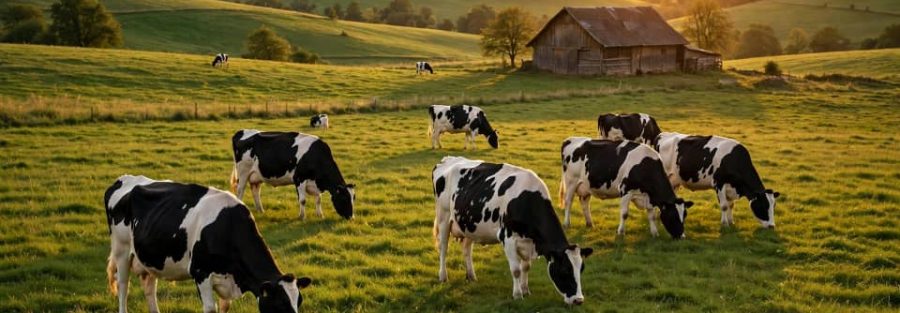
How to Start Cattle Farming in Uganda: A Complete Beginner’s Guide
Cattle Farming in Uganda | Aaron Vet Farms Ltd
Cattle farming in Uganda is a promising agribusiness for farmers looking to earn income from milk production, beef, breeding stock, and manure. With proper planning, good cattle breeds, quality feeding, disease prevention, and effective farm management, beginners can build a profitable cattle farming business.
Whether you want to start a small dairy farm, raise beef cattle, or establish a large commercial ranch, understanding the basics is essential. This guide by Aaron Vet Farms Ltd explains how to start cattle farming in Uganda, choose the right breeds, prepare suitable housing, manage feeding, prevent diseases, and improve profitability.
1. Choose the Type of Cattle Farming You Want to Start
Before buying cattle, decide which farming system matches your budget, land, market, and long-term goals.
Dairy cattle farming
Dairy farming focuses on producing milk for households, milk collection centres, cooperatives, shops, and dairy processors. Popular dairy breeds include Friesian, Jersey, Ayrshire, and their crosses with indigenous cattle.
Dairy farming requires consistent feeding, clean water, proper milking hygiene, and regular veterinary care. It can provide frequent income when milk production and market access are reliable.
Beef cattle farming
Beef farming involves raising cattle for meat production. Farmers earn income by selling finished cattle to traders, butcheries, abattoirs, and other buyers.
Indigenous Ankole cattle and suitable beef breeds or crosses can be considered, depending on the production system. Ankole cattle are valued for their adaptation to local conditions, while breeds such as Boran and selected beef crosses may suit particular commercial operations.
Breeding cattle farming
Breeding focuses on producing quality calves, heifers, bulls, and breeding stock for other farmers. Success depends on selecting healthy animals with desirable genetic characteristics, maintaining accurate breeding records, and providing appropriate nutrition.
Beginner’s tip: Start with the cattle enterprise that best matches your available resources instead of trying to manage dairy, beef, and breeding operations all at once.
2. Choose the Best Cattle Breeds for Uganda
Selecting the right breed is one of the most important decisions when starting cattle farming in Uganda.
Consider the following options:
Friesian: Popular for high milk production under good feeding and management.
Jersey: A dairy breed known for rich milk and relatively smaller body size.
Ayrshire: A dairy breed that can suit farms seeking a balance between milk production and hardiness.
Ankole cattle: Indigenous cattle valued for adaptation to local conditions and their role in beef production and cultural livestock systems.
Boran: A beef breed known for its suitability to extensive cattle production in appropriate environments.
Crossbred cattle: Crosses between indigenous and exotic breeds can combine local adaptation with improved milk or meat production.
Your choice should depend on rainfall, pasture availability, disease challenges, feed costs, and the experience you have in managing cattle.
When purchasing animals, inspect their body condition, movement, appetite, vaccination and treatment history, and breeding records where available. Buy from reputable breeders and arrange a veterinary examination before introducing new animals to your herd.
3. Prepare Land and Cattle Housing
Cattle need adequate space, reliable water, good drainage, shade, and protection from harsh weather. Before buying animals, assess whether your land can support the herd throughout both wet and dry seasons.
For dairy cattle, construct a well-ventilated cowshed with a suitable floor, feeding troughs, clean resting areas, and a hygienic milking space. Provide a secure area for calves and a separate space for sick or newly purchased animals.
Beef cattle may be managed through grazing, semi-intensive systems, or more intensive feeding arrangements, depending on available pasture, land size, and business objectives.
Avoid overcrowding because it increases stress, injuries, and the risk of disease transmission. Keep manure away from feed and water sources, and ensure that cattle have access to clean drinking water throughout the day.
4. Develop a Reliable Cattle Feeding Plan
Feeding has a major influence on cattle growth, milk production, fertility, and overall farm profitability.
In Uganda, cattle feeds may include natural pasture, planted grasses, hay, silage, legumes, crop residues, and suitable commercial supplements.
A good feeding programme should provide:
Energy: From quality pasture, forage, and suitable supplements.
Protein: From appropriate legumes, protein-rich feeds, and formulated rations.
Minerals: Through suitable mineral supplements and salt where recommended.
Clean water: Essential for digestion, body temperature regulation, growth, and milk production.
Dairy cattle producing substantial quantities of milk generally require more nutrients than dry cows. Growing calves and finishing beef cattle also have different nutritional requirements.
Do not rely entirely on dry-season grazing. Prepare hay or silage during periods of abundant forage to reduce feed shortages during drought.
Work with a qualified animal nutritionist or veterinary professional to formulate rations according to cattle age, weight, production level, forage quality, and available budget.
5. Buy Healthy Cattle and Start With a Realistic Budget
One common mistake among beginners is buying cattle before calculating the cost of housing, feeding, labour, veterinary services, and transportation.
Your startup budget should include:
Land purchase or rental, where applicable.
Construction of cattle housing, fences, and handling facilities.
Purchase and transportation of cattle.
Pasture establishment and feed storage.
Water supply, feeding troughs, and farm equipment.
Veterinary examinations, vaccination, and parasite control.
Labour, record keeping, and emergency expenses.
The total cost of starting cattle farming in Uganda varies considerably depending on location, cattle breed, herd size, infrastructure, and whether you already own land.
For beginners, starting with a manageable number of healthy cattle may be safer than investing heavily in a large herd without sufficient feed or reliable markets.
Before purchasing, compare several reputable suppliers and request clear information about animal age, health, reproductive status, and previous management.
6. Prevent Cattle Diseases Through Good Veterinary Care
Disease prevention is essential for protecting your investment. Common cattle health challenges in Uganda include tick-borne diseases, East Coast fever, anaplasmosis, babesiosis, foot-and-mouth disease, mastitis in dairy cattle, and internal or external parasites.
The diseases affecting a herd depend on the region, animal movement, management system, and local disease patterns.
To protect your cattle:
Develop a herd health programme with a qualified veterinarian.
Follow locally recommended vaccination schedules.
Use appropriate tick and parasite control measures.
Quarantine newly purchased cattle before mixing them with the herd.
Keep cattle housing, feeding areas, and water points clean.
Monitor appetite, body condition, milk yield, and behaviour.
Seek veterinary assistance promptly when animals show signs of illness.
Avoid buying veterinary drugs or administering treatments without professional guidance. Observe withdrawal periods for milk and meat after using veterinary medicines.
Important: Prevention is usually more cost-effective than allowing a disease outbreak to spread through your herd.
7. Manage Breeding and Calf Care Properly
Successful breeding helps dairy farmers maintain milk production and enables beef farmers to increase the number of saleable animals.
For natural breeding, select a healthy bull with appropriate genetics and a manageable temperament. Artificial insemination may also be suitable when qualified technicians and reliable services are available.
Monitor cows for signs of heat and maintain breeding records. Provide adequate nutrition before and during pregnancy, and arrange veterinary support when complications arise.
After birth, ensure that the calf receives adequate good-quality colostrum as soon as possible, ideally within the first two hours. Colostrum supplies antibodies that help protect newborn calves against disease.
Keep the calf’s resting area clean and dry, monitor its feeding, and follow appropriate calf nutrition, vaccination, and parasite-control recommendations.
Healthy calves are essential for herd replacement and long-term cattle farming profitability.
8. Identify Reliable Markets Before Investing
A profitable cattle farming business needs customers as well as healthy animals.
Dairy farmers can explore milk collection centres, dairy cooperatives, processors, local shops, and direct sales where permitted. Beef farmers can investigate cattle traders, butcheries, abattoirs, and livestock markets.
Breeding farms can sell quality heifers, bulls, and calves to other farmers.
Before starting, research local demand, prevailing prices, transport costs, buyer requirements, and payment arrangements. Avoid depending on a single buyer if alternative markets are available.
For dairy farms, calculate whether the expected milk revenue can cover feed, labour, veterinary costs, transport, and other operating expenses. For beef farms, account for the time and money required to raise cattle to market weight.
9. Keep Records and Monitor Farm Profitability
Good record keeping helps farmers identify problems early and make informed decisions.
Record the following information:
Cattle identification numbers, breed, age, and purchase price.
Feed purchases and feeding expenses.
Milk production and sales, where applicable.
Breeding dates, births, and calf survival.
Vaccinations, treatments, and veterinary expenses.
Animal deaths, sales, and purchases.
Labour, transport, and other farm costs.
Review these records regularly to determine which animals perform well and where expenses can be reduced without compromising animal welfare.
10. Common Mistakes Beginners Should Avoid
New cattle farmers should avoid purchasing animals without health checks, choosing breeds unsuited to local conditions, underestimating dry-season feed requirements, neglecting vaccination, overcrowding cattle, and failing to identify reliable buyers.
Another costly mistake is spending the entire startup budget on cattle and leaving insufficient funds for feed, veterinary care, and emergencies.
Start with a clear business plan, maintain a financial reserve, and expand your herd when your land, feed supply, management skills, and market access can support additional animals.
Conclusion
Starting cattle farming in Uganda can be a valuable agricultural investment when supported by careful planning and responsible livestock management. Choose the right cattle enterprise, purchase healthy animals, prepare suitable housing, provide balanced nutrition, follow veterinary advice, and develop reliable markets.
Whether your goal is dairy production, beef cattle rearing, or breeding, success depends on controlling costs while maintaining healthy and productive animals.
Aaron Vet Farms Ltd encourages farmers to invest in quality livestock management, proper nutrition, biosecurity, and professional veterinary support. With the right foundation, beginners can build a sustainable cattle farming business and contribute to Uganda’s livestock and dairy sectors.
Planning to start livestock farming? Contact Aaron Vet Farms Ltd for information about livestock nutrition, poultry farming supplies, and veterinary support services.
Frequently Asked Questions (FAQs)
1. How much money do I need to start cattle farming in Uganda?
The cost depends on the number and breed of cattle, land availability, housing, feed, and veterinary expenses. Prepare a detailed budget before purchasing animals.
2. Which cattle breed is best for beginners in Uganda?
Indigenous Ankole cattle and suitable crossbreeds may suit some low-input systems. Friesian, Jersey, and other dairy breeds or crosses may suit dairy farms with adequate nutrition and veterinary management.
3. Is cattle farming profitable in Uganda?
It can be profitable when farmers manage feed costs, prevent disease, select suitable cattle, and access reliable markets. Actual returns vary by production system and local conditions.
4. What do cattle eat in Uganda?
Cattle can eat pasture grasses, planted forage, hay, silage, legumes, and suitable supplements. The correct ration depends on the animal’s age, body condition, and production needs.
5. How can I prevent diseases in my cattle?
Use veterinary-approved vaccination and parasite-control programmes, quarantine new animals, maintain hygiene, and seek prompt veterinary attention when cattle become sick.
6. Is dairy farming better than beef farming?
Neither is automatically better. Dairy farming may provide regular milk income but requires daily milking and consistent feeding. Beef farming may require a longer period before sales, depending on the production system.