
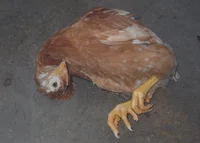
Chicken Losing Balance, Trembling or Twisting Its Neck? Causes, Treatment and Prevention
If your chicken is losing balance, trembling, walking in circles, falling over, or twisting its neck, do not ignore these signs. They may indicate a neurological problem, nutritional deficiency, poisoning, infection, injury, or another serious health condition. Early identification and proper veterinary intervention can make a major difference, especially in commercial poultry farming.
For farmers in Uganda, understanding why chickens develop these symptoms is essential for protecting the flock, reducing mortality, and maintaining good production. Aaron Vet Farms Ltd provides poultry health support, quality poultry products, veterinary guidance, and practical solutions to help farmers maintain healthy and productive birds.
What Does Loss of Balance and Neck Twisting Mean in Chickens?
Loss of balance, trembling, abnormal head movements, and twisting of the neck are neurological or muscular signs rather than a single disease. Several conditions can produce similar symptoms.
A chicken may:
Walk unsteadily or stagger
Fall onto its side
Tremble or shake
Twist its neck backward or sideways
Hold its head in an unusual position
Walk in circles
Have difficulty eating or drinking
Become weak or inactive
Develop paralysis of the legs or wings
Because different diseases can cause these symptoms, farmers should avoid treating the entire flock based only on the appearance of one sign.
Common Causes of Chickens Losing Balance or Twisting Their Neck
1. Newcastle Disease
Newcastle disease is one of the major diseases poultry farmers need to consider when chickens show neurological signs. Depending on the strain and age of the birds, affected chickens may develop weakness, respiratory problems, diarrhea, depression, tremors, paralysis, or twisted necks.
In severe outbreaks, mortality can be high.
There is no specific medicine that cures Newcastle disease. Prevention through appropriate vaccination, biosecurity, hygiene, and proper flock management is extremely important.
If several birds suddenly develop neurological symptoms, contact a veterinarian promptly and separate visibly sick birds where appropriate.
2. Vitamin E and Selenium Deficiency
Nutritional deficiencies can also cause neurological and muscular problems.
A deficiency involving vitamin E and selenium may contribute to weakness, poor coordination, trembling, and difficulty standing or walking. Young birds can be particularly vulnerable when their diets are poorly formulated, improperly stored, or nutritionally unbalanced.
Farmers should provide a complete, age-appropriate commercial feed rather than relying heavily on ingredients that may not supply all essential nutrients.
Vitamin and mineral supplementation should be used according to veterinary or nutritional advice.
3. Vitamin B Deficiency
Some B-vitamin deficiencies, particularly deficiencies involving thiamine or other B vitamins, can affect the nervous system.
Affected birds may become weak, lose coordination, show abnormal movements, or experience difficulty walking.
Poor-quality feed, prolonged feed storage, inappropriate formulation, or certain feed-related problems can contribute to nutritional deficiencies.
4. Marek’s Disease
Marek’s disease is a viral disease that can cause paralysis and neurological problems in chickens.
Depending on the form of the disease, birds may develop weakness in one or more legs, difficulty walking, drooping wings, or paralysis.
Vaccination of chicks is an important preventive measure. Good farm biosecurity can also help reduce the spread of infectious agents.
5. Poisoning or Toxicity
Sudden trembling, weakness, loss of coordination, or abnormal movements can sometimes result from poisoning.
Possible sources include contaminated feed, pesticides, chemicals, spoiled materials, or other toxic substances accessible to poultry.
If several birds develop symptoms shortly after receiving a new batch of feed or after exposure to a chemical, investigate the source immediately.
Do not give random medicines or household remedies before identifying the likely cause.
6. Physical Injury
A chicken may also lose balance because of trauma or injury. Birds can injure their heads, legs, necks, or spinal structures after being attacked, falling, fighting, or being handled improperly.
If only one bird is affected while the rest of the flock remains healthy, injury becomes one possibility to investigate.
Examine the bird carefully and seek veterinary advice if the injury appears serious.
Why You Should Not Ignore These Symptoms
A chicken that cannot stand properly may have difficulty reaching feed and water. This can quickly result in dehydration, starvation, weakness, and death.
More importantly, if the symptoms are caused by a contagious disease, other birds may already be exposed.
Farmers should pay attention to:
How many birds are affected
How quickly symptoms are spreading
Whether birds have respiratory symptoms
Whether there is diarrhea
Whether mortality is increasing
Recent vaccination history
Recent feed changes
Exposure to chemicals or pesticides
Age and breed of the birds
These details can help a veterinarian determine the appropriate diagnostic approach.
What Should a Farmer Do When a Chicken Is Trembling or Twisting Its Neck?
Isolate Sick Birds
Where practical, separate visibly sick birds from healthy birds to reduce contact and allow closer observation.
Check Feed and Water
Make sure birds have access to clean drinking water and appropriate feed. Check whether feed is mouldy, contaminated, spoiled, or unusually changed.
Review Vaccination Records
Check whether the flock has received the recommended vaccinations for its production system and location.
Strengthen Biosecurity
Limit unnecessary visitors, disinfect equipment, control movement between poultry houses, and prevent contact with unknown birds.
Contact a Veterinary Professional
Neurological signs should not be diagnosed solely from photographs or descriptions. A veterinarian can examine affected birds and recommend laboratory testing where necessary.
Do not rely on antibiotics as a universal treatment. Antibiotics do not cure viral diseases such as Newcastle disease or Marek’s disease.
How Can Poultry Farmers Prevent These Problems?
Prevention starts with good flock management. Farmers should:
Purchase chicks from reliable suppliers.
Follow an appropriate vaccination program.
Provide balanced feed according to the birds’ age and production stage.
Supply clean water continuously.
Maintain clean and dry poultry houses.
Control rodents and wild birds.
Quarantine newly introduced birds where appropriate.
Store feed properly.
Keep chemicals and pesticides away from poultry.
Monitor birds daily for unusual behavior or illness.
Maintain accurate health and mortality records.
Seek veterinary advice when unusual symptoms appear.
Get Professional Poultry Health Support from Aaron Vet Farms Ltd
A chicken that is losing balance, trembling, falling over, or twisting its neck could be suffering from several different conditions. The correct response depends on the underlying cause, so early veterinary assessment is important.
For poultry farmers in Uganda, Aaron Vet Farms Ltd can support you with poultry management guidance, veterinary services, quality poultry products, and practical advice on maintaining healthy flocks.
Whether you are raising day-old chicks, broilers, layers, Kuroilers, or other poultry breeds, good nutrition, vaccination, biosecurity, and early disease detection are key to successful poultry farming.
If you notice neurological symptoms in several chickens, increasing mortality, or sudden changes in flock behavior, seek professional veterinary assistance promptly rather than waiting for the condition to spread.