
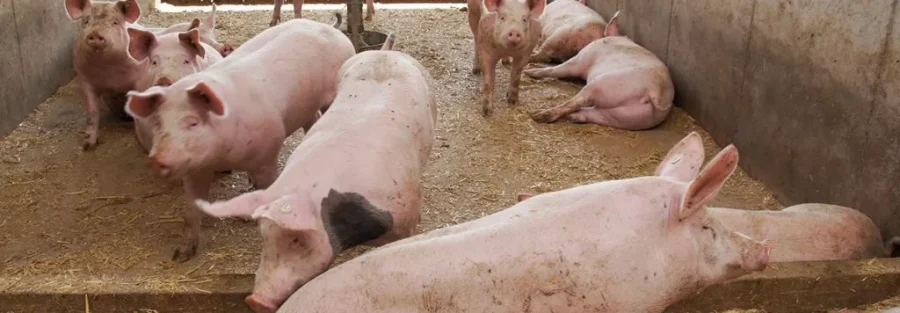
Best Age to Sell Pigs for Maximum Profit: A Complete Guide for Farmers
Best Age to Sell Pigs for Maximum Profit is an important question for every pig farmer looking to reduce production costs and increase returns. Selling pigs too early can mean missing out on potential weight gain, while keeping them too long can increase feed and management costs without generating proportional returns.
For most commercial pig farmers, the ideal selling period is determined by a combination of age, live weight, feed conversion, breed, health, production costs and market demand. In many Ugandan farming systems, pigs are commonly marketed from around 5–6 months, although individual pigs can reach market weight at different ages depending on genetics and management.
At Aaron Vet Farms Ltd, we encourage farmers to monitor pig growth and production costs rather than relying on age alone when deciding when to sell.
What Is the Best Age to Sell Pigs?
For many commercial pig enterprises, pigs may be ready for sale at approximately 5–6 months of age, provided they have reached the weight and body condition required by the target market.
However, there is no single age that guarantees maximum profit for every pig farmer.
A fast-growing pig receiving quality feed and proper veterinary care may reach its target market weight earlier, while a poorly nourished or unhealthy pig may require more time.
The important question is therefore not simply:
“How old is the pig?”
Instead, ask:
“How much does the pig weigh, how much is it costing me to keep it, and what price can I get today?”
Why Selling at the Right Time Matters
Feed is one of the largest expenses in pig production. As pigs grow, their daily feed consumption increases. Aaron Vet Farms’ feeding guidance indicates that growers may consume approximately 1.5–2.0 kg of feed per day, while finishers can consume around 2.0–3.0 kg, depending on their weight, feed quality and production conditions.
Keeping a pig beyond its economically useful finishing period can therefore increase:
Feed costs
Veterinary expenses
Labour requirements
Water consumption
Housing costs
Risk of disease
Exposure to changing market prices
The objective should be to achieve maximum sale value while controlling the cost of each additional kilogram gained.
Target Market Weight Is More Important Than Age
Although age provides a useful growth indicator, live weight is often a better measure when deciding whether a pig is ready for market.
Farmers should weigh pigs regularly or estimate weight using reliable body measurements when weighing scales are unavailable.
A study involving smallholder pigs in Uganda found substantial variation in weight at different ages, demonstrating why farmers should not assume that every six-month-old pig has the same market value.
Breed, genetics, feeding, health, housing and management can all affect growth rate.
For commercial pig farmers, establishing a target market weight with the intended buyer is therefore important before starting the finishing stage.
5 Signs Your Pig May Be Ready for Sale
1. The Pig Has Reached the Target Weight
This is one of the most important indicators. Before selling, determine the weight preferred by your buyer, butcher, processor or pork outlet.
Do not automatically wait until the pig becomes very large.
2. Growth Rate Is Slowing
If the pig is consuming increasing quantities of feed but gaining weight more slowly, the economics of keeping it longer may become less attractive.
Good farm records can help you identify when growth begins to slow.
3. The Pig Has Good Body Condition
A market-ready pig should have good body condition without being excessively thin or excessively fat.
Proper nutrition during the grower and finisher stages helps pigs develop appropriately for the intended market.
4. The Market Price Is Attractive
Market conditions can influence the best selling time.
If buyers are offering a favorable price for pigs within your target weight range, delaying the sale may not necessarily increase your profit.
5. Additional Feeding Is Becoming Expensive
Calculate the cost of keeping each pig for another week or month.
If the expected increase in selling value is smaller than the additional feed, health and management costs, selling may make more economic sense.
The Role of Feed Conversion in Pig Profitability
Feed conversion ratio (FCR) is an important measure of pig production efficiency. It describes how efficiently a pig converts feed into body weight.
A pig with good feed efficiency can gain weight using less feed than a poorly performing pig.
This is why feeding pigs correctly throughout the production cycle is essential. Starter, grower and finisher feeds should be selected according to the pig’s nutritional requirements and production stage.
Farmers should avoid simply increasing feed quantities to make pigs grow faster. The goal is efficient growth, not just rapid weight gain.
How Breed Affects the Selling Age
Genetics can significantly influence growth rate, feed efficiency, carcass characteristics and profitability.
Common commercial breeds and crosses used in Uganda include:
Large White
Landrace
Duroc
Camborough
Hampshire
Selected crossbreeds
Aaron Vet Farms Ltd notes that breed selection should be considered alongside feed availability, health status, housing and the farmer’s production objectives.
Fast-growing genetics under good management may reach market requirements sooner than slower-growing pigs.
Health Management Helps Pigs Reach Market Weight
Disease can delay growth and increase the cost of production.
Farmers should maintain:
Regular veterinary monitoring
Appropriate disease prevention
Clean housing
Good drainage
Adequate ventilation
Proper biosecurity
Clean drinking water
Balanced nutrition
A healthy pig generally has a better opportunity to achieve its genetic growth potential than one repeatedly affected by disease.
Aaron Vet Farms Ltd emphasizes that profitable pig production requires a combination of nutrition, housing, animal health, breeding and good farm management.
Don’t Forget the Market Before You Start Fattening
One of the biggest mistakes farmers make is producing pigs without first identifying their buyers.
Before investing heavily in finishing pigs, identify potential markets such as:
Local butcheries
Pork joints
Hotels and restaurants
Pork processors
Abattoirs
Direct consumers
Farm-gate buyers
Other farmers
Understanding the buyer’s preferred weight and pricing system can help you plan your production cycle more effectively.
Keep Records to Know When to Sell
Good record keeping allows farmers to make decisions based on numbers rather than guesswork.
Record:
Pig identification number
Birth date
Breed
Purchase cost
Feed consumed
Weight at different ages
Medication and veterinary expenses
Labour costs
Selling price
Date of sale
For example, if a pig is gaining very little weight despite increasing feed consumption, your records may show that keeping it longer is reducing your expected profit.
Should You Sell at 5, 6 or 7 Months?
There is no universal answer.
A 5-month-old pig that has achieved the buyer’s required weight may be more economical to sell than a six-month-old pig that is growing slowly.
Similarly, a pig that has not reached the required market weight at six months may need additional feeding.
Therefore, use the following decision-making formula:
Profit = Selling Revenue – Total Production Costs
Total production costs should include the piglet or breeding cost, feed, medication, veterinary services, labour, housing, transport and other relevant expenses.
The most profitable selling point is the point at which the expected additional revenue from keeping the pig longer no longer justifies the additional cost.
Final Thoughts
The best age to sell pigs for maximum profit is generally around 5–6 months in many commercial and smallholder systems, but farmers should not use age as the only selling criterion. Ugandan research shows significant variation in pig weights at similar ages, making live weight and production performance important considerations.
For maximum profitability, monitor weight gain, feed efficiency, health, body condition, market prices and buyer requirements.
Selling at the right time can reduce unnecessary feeding costs, improve cash flow and allow farmers to reinvest in the next production cycle.
At Aaron Vet Farms Ltd, we support farmers with practical guidance on pig nutrition, animal health, farm management and profitable livestock production. Combining good genetics, balanced feeding, proper veterinary care, good housing and effective marketing can help your piggery achieve better results.
Do not simply ask when your pigs will be old enough to sell. Ask when they are economically ready to sell.