
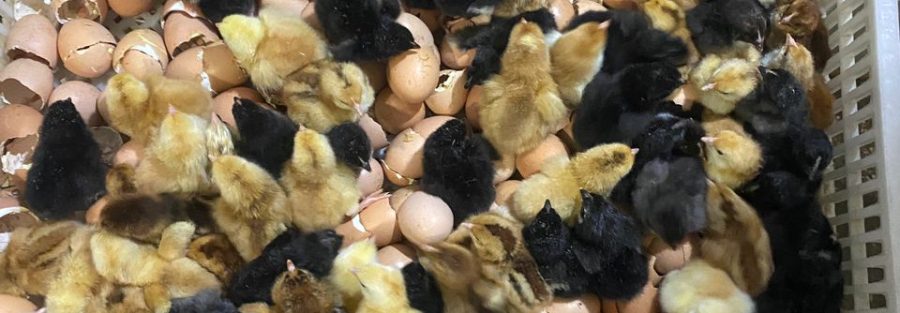
400 F1 Rainbow Chickens: Complete Guide to Starting a Profitable Poultry Project in Uganda
Poultry farming continues to provide income opportunities for farmers across Uganda. However, choosing a suitable chicken breed is one of the first decisions that can determine whether a poultry project succeeds or struggles. For farmers looking for birds that can provide both meat and eggs while performing well under semi-intensive and free-range systems, F1 Rainbow chickens are an attractive option.
Starting with 400 F1 Rainbow chickens gives a farmer a manageable flock size while providing enough birds to create a commercial poultry enterprise. Rainbow Roosters are recognized as coloured, dual-purpose birds developed for meat and egg production and are suited to free-range and semi-intensive systems.
At Aaron Vet Farms Ltd, we encourage farmers to combine quality chicks with good housing, proper nutrition, vaccination, biosecurity, and regular monitoring to achieve the best possible results.
What Are F1 Rainbow Chickens?
F1 Rainbow chickens, commonly known as Rainbow Roosters, are multi-coloured dual-purpose chickens associated with breeding programs from India. They have become popular in East Africa because they can be kept for both meat and eggs and can adapt to different management systems.
Unlike specialized broilers that are mainly selected for fast meat production or commercial layers that focus heavily on egg production, Rainbow birds offer farmers a combination of meat and egg potential.
Their coloured feathers can also make them attractive to consumers who prefer chickens that look more like traditional or indigenous birds.
Why Rear 400 F1 Rainbow Chickens?
Keeping 400 birds allows a farmer to move beyond backyard poultry farming and establish a small commercial enterprise.
One of the main advantages is diversification of income. A farmer can sell mature birds for meat, retain selected females for egg production, and sell manure as an agricultural fertilizer.
Rainbow chickens are also reported to perform well under free-range conditions, while improved management and commercial feeds can support faster growth. Under commercial feeding, published Ugandan farming guidance has reported Rainbow Roosters reaching around 2 kg at approximately eight weeks, although actual results vary according to genetics, feed, housing, health, and management.
Housing Requirements for 400 F1 Rainbow Chickens
Good housing is essential for protecting 400 F1 Rainbow chicks from weather, predators, disease, and unnecessary stress.
The poultry house should be:
Well ventilated but protected from cold drafts
Dry and easy to clean
Secure from rats, snakes, dogs, and other predators
Designed to prevent overcrowding
Equipped with suitable feeders and drinkers
Located where drainage is good
During brooding, chicks require a warm, clean environment. As the birds grow, overcrowding should be avoided because it can increase stress, competition for feed and water, poor growth, and disease transmission.
Farmers should also divide the flock into manageable groups where possible. This makes feeding, observation, vaccination, weighing, and disease monitoring easier.
Feeding 400 F1 Rainbow Chickens
Feed is one of the largest expenses in poultry farming, so efficient feeding should be a major priority.
Young chicks should receive a quality chick starter feed containing the nutrients necessary for growth and immune development. As they grow, the feeding program should be adjusted to their age and production objective.
If the birds are primarily being raised for meat, farmers should use a suitable growth and finishing feeding program. Farmers intending to retain females for eggs should gradually transition birds toward an appropriate developer and layer ration.
Although Rainbow chickens can make use of scavenging and supplementary feeds under free-range systems, commercial production requires proper nutrition. Poor feeding can result in slow growth, poor body development, delayed maturity, and reduced egg production.
Clean drinking water should be available throughout the day. Dirty or contaminated water can contribute to disease and poor performance.
Vaccination and Disease Prevention
Disease can quickly turn a profitable poultry project into a loss. With 400 birds, one health problem can affect a significant portion of the investment.
Farmers should work with a qualified veterinary professional to establish a vaccination and disease-control program appropriate for their location and management system.
Common poultry health risks include Newcastle disease, Gumboro disease, infectious diseases, parasites, and bacterial infections.
Biosecurity is equally important. Limit unnecessary visitors, disinfect equipment, control rodents, isolate sick birds, and avoid mixing newly purchased birds with the existing flock without proper precautions.
Regular observation is essential. Farmers should watch for reduced feeding, coughing, diarrhoea, unusual droppings, weakness, poor growth, sudden deaths, or changes in drinking behavior.
Meat Production from F1 Rainbow Chickens
One major reason farmers choose Rainbow birds is their dual-purpose nature.
Male birds can be raised primarily for meat, while selected females can be retained for breeding or egg production depending on the farmer’s production model. Published Ugandan guidance describes Rainbow Roosters as birds suitable for meat production as well as egg production, with growth influenced strongly by the feeding system.
This flexibility can be valuable for small and medium-sized farmers because the entire flock does not necessarily have to depend on one source of income.
Egg Production Potential
Rainbow Roosters are also capable of producing eggs. Reports from Uganda indicate that Rainbow females can begin laying at around five months, with production continuing over an extended laying period depending on management and feeding.
Farmers should remember that the actual number of eggs produced will depend on genetics, nutrition, disease control, housing, stress, body condition, and overall management.
For farmers whose main goal is maximum egg production, specialized commercial layer breeds may be more appropriate. For farmers looking for a combination of meat and eggs, however, F1 Rainbow chickens can offer greater flexibility.
How to Make 400 F1 Rainbow Chickens Profitable
Profitability starts before the chicks arrive.
Prepare the poultry house, feeders, drinkers, brooding equipment, feeds, vaccination plan, and market before purchasing the birds. Avoid buying chicks first and trying to organize everything later.
Keep accurate records of:
Number of chicks purchased
Mortality
Feed consumption
Vaccination and medication
Growth and body weight
Egg production
Sales
Other farm expenses
These records help determine the actual cost of producing each bird and whether the enterprise is making a profit.
Farmers should also identify potential buyers in advance. Markets may include households, restaurants, hotels, traders, institutions, and individual consumers.
Where to Get Quality F1 Rainbow Chicks in Uganda
The quality of your initial chicks has a major influence on flock performance. Farmers should buy from reputable suppliers that can provide information about chick quality, vaccination, source, and appropriate management.
Aaron Vet Farms Ltd helps farmers build productive poultry enterprises by providing access to quality poultry products and professional guidance for poultry management.
Whether you are starting with 400 F1 Rainbow chicks or planning to expand to a larger flock, proper planning and technical support can reduce avoidable losses.
Final Thoughts
Starting a 400 F1 Rainbow chicken farming project in Uganda can be a practical way to enter commercial poultry farming. The birds offer the important advantage of being dual-purpose, giving farmers opportunities for both meat and egg production.
However, the breed alone does not guarantee profit. Success depends on quality chicks, balanced nutrition, good housing, vaccination, biosecurity, proper record keeping, and access to a reliable market.
For Ugandan farmers looking for a flexible chicken breed that can fit free-range, semi-intensive, or more controlled production systems, F1 Rainbow chickens are worth considering.
Aaron Vet Farms Ltd can help farmers make better poultry decisions through quality poultry products, veterinary support, and practical farming guidance.