
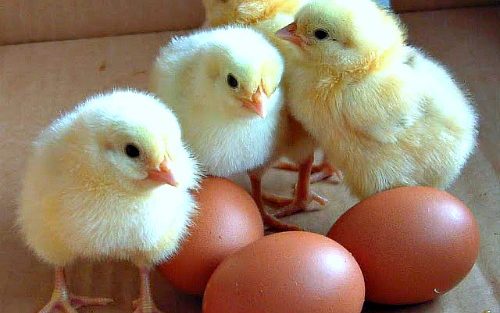
How to Maintain the Right Temperature for Day-Old Chicks
Raising healthy poultry starts from the moment day-old chicks arrive at the farm. One of the most important factors during the first few weeks is maintaining the right brooding temperature for chicks. Young chicks cannot regulate their body temperature effectively, so they depend on the farmer to provide a warm, comfortable and well-ventilated brooding environment.
If the temperature is too low, chicks may become stressed, weak and more vulnerable to diseases. If it is too high, they can suffer from heat stress, dehydration, poor feeding and increased mortality. Understanding chick brooding temperature, how to monitor it and how to adjust it can significantly improve poultry performance.
At Aaron Vet Farms Ltd, we support poultry farmers with quality day-old chicks, poultry feeds and veterinary services to help farmers establish productive and profitable poultry enterprises.
Why Temperature Is Important for Day-Old Chicks
Newly hatched chicks have limited ability to control their body temperature. They require external heat to remain warm, particularly during the first three weeks of life.
Proper temperature management helps chicks:
Maintain normal body functions
Eat and drink properly
Sleep and rest comfortably
Grow at the expected rate
Develop strong immune systems
Reduce stress and mortality
Use feed efficiently
Poor temperature management is one of the common causes of losses among farmers raising day-old chicks in Uganda.
Recommended Temperature for Day-Old Chicks
The temperature should gradually decrease as chicks grow and develop feathers.
A practical brooding temperature guide is:
Chick Age Recommended Temperature
Week 1 32–35°C
Week 2 29–32°C
Week 3 26–29°C
Week 4 23–26°C
The exact requirement can vary depending on breed, weather conditions, housing design and chick behavior.
During cold weather, additional heating may be necessary. In hot conditions, farmers should focus on ventilation and preventing overheating.
How to Know if Chicks Are Too Cold
A thermometer is useful, but chick behavior is one of the best indicators of brooding temperature.
When chicks are too cold, they usually:
Crowd together under the heat source
Make loud, continuous chirping sounds
Become less active
Reduce movement toward feeders and drinkers
Form tight groups in corners
If you observe these signs, increase the heat gradually and check whether the brooder is allowing warm air to reach the chicks.
Chicks that remain crowded together for long periods may also experience difficulty accessing feed and water, which can affect growth.
Signs That Chicks Are Too Hot
Excessive heat can be just as dangerous as cold temperatures.
Signs of overheating include:
Chicks moving away from the heat source
Open-mouth breathing or panting
Wings held away from the body
Excessive drinking
Lethargy
Chicks spreading out around the brooder
When these signs occur, reduce the heat and improve ventilation. Make changes gradually rather than exposing young chicks to sudden temperature changes.
What Comfortable Chicks Look Like
The ideal situation is when chicks are evenly distributed throughout the brooding area.
Healthy and comfortable chicks should be:
Active
Feeding and drinking normally
Quiet or making soft sounds
Evenly spread around the brooder
Sleeping comfortably without excessive crowding
This behavior indicates that the temperature, ventilation, lighting, feed and water arrangement are generally suitable.
Use a Thermometer to Monitor Brooder Temperature
Every poultry farmer should consider having a reliable thermometer when raising day-old chicks.
Place the thermometer at chick level rather than directly against the floor or roof. Check the temperature regularly, particularly during the first week.
Temperature can change considerably between daytime and nighttime. Farmers should therefore avoid checking the brooder only once a day.
A good practice is to monitor the temperature in the morning, afternoon and evening and make adjustments according to weather conditions and chick behavior.
Choosing the Right Heat Source
Farmers can use different heat sources depending on the size of the flock, housing system and available resources.
Common brooding heat sources include:
Infrared or Electric Brooders
Electric brooders can provide consistent heat when electricity is reliable. They are particularly useful for controlled indoor brooding.
Gas Brooders
Gas brooders can provide substantial heat for larger groups of chicks. Farmers should ensure proper ventilation when using gas equipment.
Charcoal or Other Local Heating Methods
Some farmers use locally available heating methods. However, these require careful management because of fire risks, smoke and carbon monoxide. Brooding houses must have adequate ventilation without creating cold drafts.
Regardless of the heat source, safety should always be a priority.
Prepare the Brooder Before Chicks Arrive
Do not wait until the chicks arrive before preparing the brooding house.
The brooder should be cleaned and disinfected before placement. Ensure that:
The floor is dry
Fresh litter is properly spread
Feeders are clean
Drinkers are clean
Clean drinking water is available
The heating system is working
Drafts are controlled
The brooder is secure
The correct temperature has been established before chick arrival
Preheating the brooder allows the floor, litter and surrounding environment to warm up before the chicks are introduced.
Avoid Cold Drafts While Maintaining Ventilation
There is an important difference between ventilation and drafts.
Chicks need fresh air, but strong cold air blowing directly onto them can cause chilling and stress.
The brooding house should therefore allow fresh air to enter while preventing direct drafts at chick level.
Poor ventilation can also cause humidity, unpleasant odors and buildup of harmful gases. Good brooder management requires balancing temperature with adequate airflow.
Adjust Temperature Gradually
Avoid making sudden temperature changes whenever possible.
If chicks are cold, increase the heat gradually and observe their behavior. If they are hot, reduce the heat and improve airflow.
The objective is not simply to achieve a specific number on a thermometer. The goal is to create a stable and comfortable environment for the chicks.
Common Temperature Management Mistakes
Some common mistakes made by poultry farmers include:
Failing to preheat the brooder.
Depending entirely on chick behavior without using a thermometer.
Keeping the same temperature for several weeks.
Allowing cold drafts into the brooding area.
Overheating the brooder.
Poor ventilation.
Using unsafe heating equipment.
Failing to monitor temperatures at night.
Overcrowding the brooding area.
Ignoring changes in chick behavior.
Avoiding these mistakes can greatly improve early chick survival and growth.
Temperature Management and Poultry Profitability
Proper brooding temperature contributes to better flock performance. Chicks that are comfortable are more likely to feed and drink normally and maintain steady growth.
Good brooding management can therefore support better feed conversion, chick survival, uniform growth and overall poultry farm profitability.
However, temperature is only one part of successful chick management. Farmers must also provide quality feed, clean water, appropriate vaccination, good biosecurity, proper ventilation and regular veterinary monitoring.
Get Quality Day-Old Chicks from Aaron Vet Farms Ltd
Starting with healthy chicks is an important step toward building a successful poultry farm. Aaron Vet Farms Ltd supports poultry farmers with quality day-old chicks and practical poultry farming solutions.
Whether you are starting a small poultry project or expanding a commercial farm, proper preparation and management during the brooding period can make a major difference.
For farmers looking for day-old chicks in Uganda, poultry feeds and veterinary support, Aaron Vet Farms Ltd can help you establish the right foundation for a healthy and productive flock.
Conclusion
Maintaining the correct temperature is one of the most important responsibilities when raising day-old chicks. Keep the brooder warm during the first week, gradually reduce the temperature as chicks grow, monitor the environment with a thermometer and pay close attention to chick behavior.
Remember: crowding under the heat source usually indicates that chicks are cold, while moving far away and panting can indicate excessive heat. A well-managed brooder should allow chicks to spread evenly, feed actively and rest comfortably.
With proper temperature management, quality feed, clean water, vaccination, biosecurity and veterinary care, farmers can give their chicks a strong start and build a healthier, more profitable poultry enterprise.