
Pig Behavioral Signs: Understanding Your Animals for Better Health and Productivity
Introduction
Understanding pig behavior is crucial for any successful pig farming operation. Pigs are intelligent, social animals that communicate their needs and emotions through a variety of behaviors. By learning to read these behavioral signs, farmers can detect early health problems, enhance animal welfare, and ultimately improve productivity.At Aaron Vet Farms, we emphasize the importance of observing and interpreting pig behavior to maintain healthy, thriving herds.
1. Social Behavior in Pigs
Pigs are naturally social animals. They prefer to live in groups and establish a hierarchy, often referred to as a “pecking order.” Observing social interactions among pigs can provide valuable information about their health and comfort.Aggressive Behavior: Frequent fighting, biting, or chasing can indicate stress, overcrowding, or inadequate nutrition.
Friendly Interactions: Pigs that nuzzle, lie together, or play are generally healthy and comfortable in their environment.
Isolation: A pig that isolates itself from the group may be sick, injured, or stressed.
2. Eating and Drinking Behavior
Monitoring feeding and drinking patterns is essential for detecting early signs of illness. Pigs have predictable routines, and deviations may signal problems.Reduced Feed Intake: Pigs eating less than usual might be experiencing digestive issues, respiratory infections, or stress.
Excessive Drinking: This could indicate kidney problems or a response to high environmental temperatures.
Competition at Feeders: Aggression during feeding times may point to overcrowding or inadequate feeder space.
3. Resting and Sleeping Patterns
Pigs spend a significant portion of their day resting. Healthy pigs display relaxed postures, often lying side by side or in a semi-circle.Normal Resting: Calm, consistent rest is a good indicator of animal welfare.
Restlessness: Pigs that pace, stand for long periods, or display erratic movements may be experiencing discomfort, pain, or stress.
Sleeping Together: Huddling can indicate pigs are cold or stressed; ensure proper temperature management in housing.
4. Vocalizations and Communication
Pigs communicate using a wide range of vocalizations. Understanding these sounds can help farmers identify stress, discomfort, or other issues.Squeals and Screams: Often a sign of fear, pain, or aggressive encounters.
Grunts: Normal communication during feeding, exploration, or social interactions.
Continuous High-Pitched Noises: May indicate illness or environmental stressors, such as excessive heat or poor ventilation.
5. Exploration and Play Behavior
Healthy pigs are naturally curious and enjoy rooting, playing, and exploring their surroundings. Lack of activity can signal health or welfare issues.Rooting and Sniffing: Natural foraging behavior that should be encouraged for mental stimulation.
Play Fighting: Common among younger pigs; indicates good health and social bonding.
Lethargy: Pigs that are inactive or show no interest in their environment may be sick or stressed.
6. Signs of Stress and Discomfort
Stress in pigs can reduce growth rates, lower feed efficiency, and increase susceptibility to disease. Key behavioral indicators include:Tail Biting: Often caused by overcrowding, boredom, or dietary deficiencies.
Excessive Aggression: May indicate environmental stress or poor social management.
Repeated Stereotypies: Such as bar biting or pacing, often seen in pigs housed in barren or uncomfortable environments.
7. Monitoring Reproductive and Maternal Behavior
For sows and piglets, behavioral signs are critical for successful breeding and piglet survival.Nesting Behavior: Sows preparing to farrow will show increased rooting and nest-building activity.
Protective Behavior: Aggressive defense of piglets indicates maternal instinct; lack of interest may signal health issues.
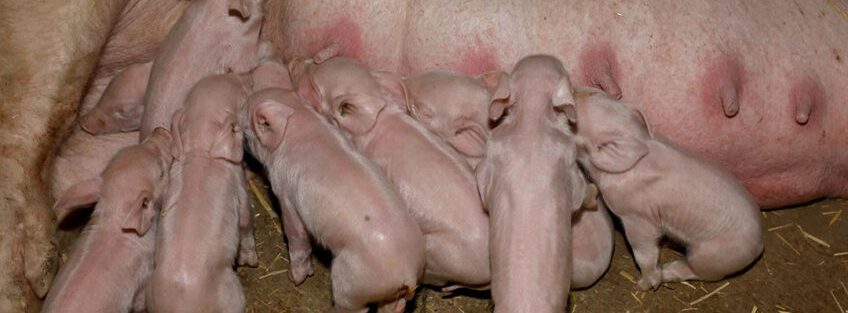
Piglet Nursing: Regular nursing and active suckling are essential signs of healthy development.
8. Practical Tips for Observing Pig Behavior
Daily Observation: Spend at least 30 minutes observing pigs each day to detect subtle changes.Record Keeping: Maintain logs of abnormal behaviors, feeding patterns, and health signs for early intervention.
Environmental Checks: Ensure proper temperature, ventilation, space, and enrichment to reduce stress-related behaviors.
Professional Consultation: Consult with veterinarians or animal welfare experts for persistent behavioral issues.
Conclusion
Understanding pig behavioral signs is more than just an observation task—it’s a cornerstone of effective swine management. Recognizing early warning signals, stress indicators, and social interactions can drastically improve pig welfare, reduce disease, and enhance productivity.At Aaron Vet Farms, we advocate for continuous learning and observation to foster healthy, happy, and productive pigs. By applying these insights into daily farm management, you can ensure your pigs thrive and your farming operation remains profitable.