
Coccidiosis in Poultry: Causes, Symptoms, Prevention, and Control — A Complete Guide by Aaron Vet Farms
Learn how to identify, prevent, and treat coccidiosis in poultry with expert advice from Aaron Vet Farms. Keep your broilers and layers healthy with proven poultry health management practices in Uganda.
Introduction: Understanding Coccidiosis in Poultry
Coccidiosis is one of the most common and devastating poultry diseases affecting both broilers and layers in Uganda and around the world. It is caused by Eimeria parasites that damage the intestinal lining of chickens, leading to poor feed conversion, slow growth, and even death if left untreated.
At Aaron Vet Farms, we understand that preventing coccidiosis is crucial for profitable poultry farming. Our mission is to help farmers raise healthy, disease-free birds through proper vaccination, farm hygiene, and expert veterinary guidance.
1. What is Coccidiosis in Poultry?
Coccidiosis is a parasitic infection of the intestinal tract caused by protozoa of the Eimeria genus. These microscopic organisms invade the lining of the chicken’s gut, multiply rapidly, and cause severe damage to intestinal cells.
There are several species of Eimeria, and each affects different parts of the gut, including:
Eimeria tenella – affects the caeca (caecal coccidiosis)
Eimeria acervulina – affects the upper intestine
Eimeria maxima – affects the mid-intestine
Eimeria necatrix – affects the small intestine
Eimeria brunetti – affects the lower intestine
Each species causes varying degrees of illness, from mild to severe, depending on the bird’s immunity and management practices.
2. How Coccidiosis Spreads in Poultry Farms
Coccidiosis spreads through the ingestion of infective Eimeria oocysts found in contaminated litter, feed, or water. Once the parasite enters a chicken’s body, it multiplies in the intestinal cells, releasing thousands of new oocysts that are shed in droppings.
Under warm and humid conditions — common in Uganda’s poultry houses — these oocysts sporulate and become infective within 24–48 hours. Other birds ingest these oocysts while feeding or drinking, restarting the infection cycle.
Major risk factors include:
Poor litter management
High humidity and temperature
Overcrowded poultry houses
Wet feed or drinkers
Lack of biosecurity measures
Aaron Vet Farms emphasizes that understanding these risk factors is the first step toward effective disease prevention.
3. Symptoms of Coccidiosis in Chickens
Recognizing early signs of coccidiosis can save your flock from heavy losses. Symptoms vary depending on the Eimeria species and infection level.
Common clinical signs include:
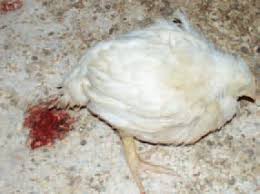
Blood-stained droppings (especially in E. tenella)
Reduced feed intake and weight loss
Ruffled feathers and drooping wings
Pale combs and wattles due to anemia
Dehydration and lethargy
Sudden death in severe cases
In layers, coccidiosis can also cause a drop in egg production and poor eggshell quality.
At Aaron Vet Farms, we advise farmers to inspect droppings daily and monitor bird behavior closely. Early detection greatly increases treatment success.
4. Economic Impact of Coccidiosis
Coccidiosis is not only a health problem but also an economic burden on poultry farmers. Even mild infections cause:
Reduced feed efficiency
Slower growth rate
Increased mortality
Higher veterinary costs
Decreased egg production
According to poultry experts, coccidiosis can reduce productivity by up to 30% in broilers and 20% in layers if not properly controlled. For small-scale farmers, these losses can wipe out profits entirely.
That’s why Aaron Vet Farms provides training and affordable health programs to help farmers minimize such losses through preventive management.
5. Diagnosis of Coccidiosis
Accurate diagnosis helps ensure proper treatment and control. Diagnosis can be done through:
Clinical observation: Checking for bloody droppings and lethargy.
Post-mortem examination: Identifying lesions in the intestine.
Laboratory testing: Microscopic examination of fecal samples to detect oocysts.
Farmers should contact Aaron Vet Farms veterinary experts for professional diagnosis and tailored treatment recommendations whenever coccidiosis is suspected.
6. Treatment Options for Coccidiosis
Once diagnosed, treatment should begin immediately. There are two main approaches: anticoccidial drugs and supportive therapy.
a) Anticoccidial Drugs
Commonly used medications include:
Amprolium (Amprol, Coccidiostat)
Sulfaquinoxaline
Toltrazuril (Baycox)
Diclazuril
These drugs are added to drinking water or feed for a specific number of days as directed by a veterinarian. Misuse or underdosing can lead to drug resistance.
b) Supportive Care
Provide:
Clean water with vitamins (especially A, K, and B complex)
Balanced nutrition to aid recovery
Dry, clean litter to prevent reinfection
At Aaron Vet Farms, we recommend using Amprolium 20% for mild infections and Toltrazuril 2.5% for severe outbreaks under veterinary supervision. We also offer tailored treatment kits for both broilers and layers.
7. Prevention and Control of Coccidiosis
Prevention is always more effective and affordable than treatment. Aaron Vet Farms emphasizes integrated coccidiosis control, combining vaccination, biosecurity, and management strategies.
a) Vaccination
Vaccination helps birds develop natural immunity to Eimeria. Live coccidiosis vaccines are administered to day-old chicks through drinking water or feed spray.
This is especially important for layer and breeder farms, where long-term protection is needed.
Aaron Vet Farms supplies quality coccidiosis vaccines and offers expert guidance on the right vaccination schedules for your flock.
b) Litter Management
Keep litter dry and clean.
Replace wet patches regularly.
Maintain proper ventilation to reduce humidity.
Use fresh bedding material like wood shavings.
c) Good Hygiene and Biosecurity
Disinfect poultry houses before new chicks arrive.
Restrict visitor access.
Provide footbaths and hand sanitizers.
Clean feeders and drinkers daily.
d) Controlled Stocking Density
Avoid overcrowding, as it increases humidity and disease spread. Allow enough space for each bird to move comfortably.
e) Balanced Nutrition
Feed birds with high-quality feed rich in vitamins and minerals to boost immunity and gut health.
f) Rotation of Anticoccidial Drugs
In large flocks, rotate anticoccidial drugs in feed to prevent parasite resistance.
By applying these methods, poultry farmers can maintain healthy flocks and prevent coccidiosis outbreaks.
8. Role of Aaron Vet Farms in Poultry Health Management
At Aaron Vet Farms, we go beyond selling chicks — we provide complete poultry health management solutions. Our veterinary team works hand-in-hand with farmers to ensure their flocks remain free from diseases like coccidiosis.
Our services include:
Supply of vaccines and veterinary drugs
Farm visits and disease diagnosis
Farmer training programs on poultry biosecurity
Expert advice on feeding, vaccination, and management
We also educate farmers on sustainable and profitable poultry practices that minimize losses and improve productivity.
9. Tips for Farmers to Avoid Coccidiosis Outbreaks
Start with quality chicks from certified hatcheries like Aaron Vet Farms.
Vaccinate day-old chicks against coccidiosis.
Maintain clean, dry litter at all times.
Use medicated feed for broilers during early stages.
Clean water lines and drinkers daily.
Monitor droppings and behavior for early signs.
Consult veterinary experts regularly for flock checkups.
These proactive steps ensure your farm remains profitable and disease-free.
10. Frequently Asked Questions (FAQs)
Q1: Can coccidiosis spread to humans?
No, coccidiosis is specific to poultry and does not affect humans.
Q2: At what age are chickens most at risk?
Chickens between 3 to 6 weeks old are most vulnerable, as their immune systems are still developing.
Q3: Can recovered birds get infected again?
Yes, but they usually develop partial immunity that reduces the severity of future infections.
Q4: Can I mix coccidiosis drugs with other medications?
Only under the guidance of a qualified veterinarian. Some drug combinations can reduce effectiveness or harm the birds.
Q5: How long should I treat coccidiosis?
Treatment usually lasts 3–5 days, but always follow the prescription provided by your vet or the product label.
Conclusion: Protect Your Flock with Aaron Vet Farms
Coccidiosis remains one of the top poultry diseases affecting broiler and layer farmers in Uganda. However, with proper management, vaccination, and veterinary support, it is entirely preventable.
At Aaron Vet Farms, we are committed to helping you raise healthy and profitable chickens through expert guidance, high-quality chicks, and effective disease control programs.
Whether you’re a small-scale or commercial poultry farmer, our team is ready to support you with training, vaccines, drugs, and farm management advice to ensure success.