
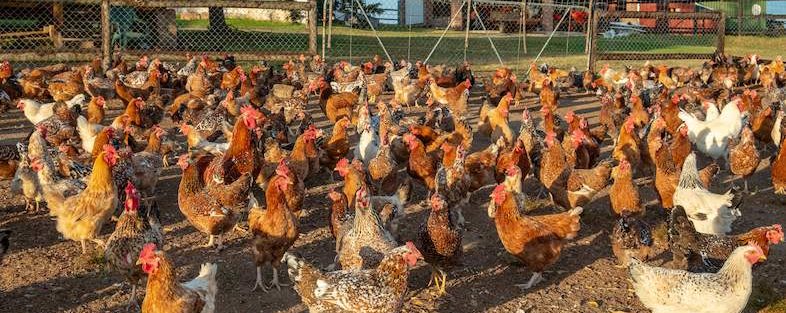
Indigenous Chicken Breeds: A Comprehensive Guide by Aaron Vet Farms
Indigenous chicken breeds have been part of African farming systems for centuries. Unlike commercial hybrids, these chickens are well-adapted to local environments, resilient to diseases, and require minimal inputs. At Aaron Vet Farms, we understand the value of indigenous chicken breeds, both for smallholder farmers and commercial poultry ventures.What Are Indigenous Chicken Breeds?
Indigenous chicken breeds, often referred to as local or native chickens, are breeds that have naturally adapted to specific regions over generations. In Uganda and East Africa, these chickens are preferred for their hardiness, low maintenance, and resistance to local diseases. They are typically raised in free-range systems, feeding on kitchen scraps, insects, and vegetation, which makes them eco-friendly and cost-effective.Unlike commercial breeds, indigenous chickens are not genetically modified for high production but thrive under extensive farming systems, making them ideal for small-scale and sustainable poultry farming.
Popular Indigenous Chicken Breeds in Uganda
At Aaron Vet Farms, we supply high-quality indigenous chicks that are ideal for both egg production and meat. Here are some of the most popular breeds:
1. Kadaknath Chicken
Originally from India, Kadaknath chickens have gained popularity in East Africa due to their high protein meat and disease resistance. They are black-feathered, hardy, and suitable for smallholder farmers.Key Features:
High resistance to diseasesLow feed requirements
Black meat, rich in amino acids
2. Kenya Kienyeji Chicken
Also known as the “traditional Kenyan chicken,” this breed is highly favored in Uganda for its robustness and adaptability. They are excellent for free-range systems and produce flavorful meat.Key Features:
Moderate egg production (150–180 eggs/year)Hardy and disease-resistant
Suited for backyard farming
3. Ugandan Local Chicken
These are the indigenous birds native to Uganda. They are diverse in color, size, and egg-laying capacity, making them versatile for both meat and egg production.Key Features:
Excellent for free-range and semi-intensive systemsStrong foragers
Lower production costs
4. Ching’wek Chicken
Popular in parts of Western Uganda, Ching’wek chickens are known for survival skills and early maturity, making them ideal for smallholder farmers who want quick returns.Key Features:
Early egg-laying (at 5–6 months)High adaptability to harsh conditions
Low mortality rates
Benefits of Raising Indigenous Chicken Breeds
Raising indigenous chicken breeds offers several advantages, especially for farmers looking to reduce costs and increase sustainability.1. Disease Resistance
Indigenous chickens have strong natural immunity compared to commercial hybrids. They can withstand common poultry diseases such as Newcastle disease and coccidiosis when managed properly.2. Low Maintenance
These breeds require minimal inputs, often thriving on household scraps, insects, and natural forage. This makes them ideal for small-scale or backyard poultry systems.3. High-Quality Meat
The meat from indigenous chickens is leaner, more flavorful, and preferred by local markets. This makes them a lucrative option for farmers targeting niche meat markets.4. Egg Production
Although indigenous breeds lay fewer eggs than commercial hybrids, their eggs are nutrient-rich, organic, and in demand in local markets. Many consumers prefer indigenous eggs due to their taste and health benefits.5. Adaptability
Indigenous chickens are well-adapted to local climates, from hot lowlands to cool highlands. Their survival rates are higher, reducing losses and increasing farm sustainability.Best Practices for Rearing Indigenous Chickens
To maximize the benefits of indigenous chicken breeds, proper management practices are essential. Here’s a guide from Aaron Vet Farms:1. Housing
Even though these chickens are hardy, providing a simple shelter protects them from predators and extreme weather. Ensure good ventilation and regular cleaning to maintain health.2. Feeding
Indigenous chickens are excellent foragers but benefit from supplementary feeding. A mix of grains, kitchen leftovers, and commercial feed boosts growth and egg production.3. Health Management
Regular vaccinations and biosecurity measures are crucial. Indigenous chickens are naturally resistant but not immune to all diseases. Ensure they are vaccinated against Newcastle disease and fowl pox.4. Breeding
Select healthy, strong birds for breeding to maintain the resilience of the flock. At Aaron Vet Farms, we provide high-quality indigenous chicks from strong parent stock for reliable performance.5. Record-Keeping
Maintain records of egg production, growth rates, and mortality. This helps track performance and make informed management decisions.Challenges in Raising Indigenous Chickens
While indigenous chickens are hardy, there are some challenges that farmers need to consider:Lower Egg Production: Indigenous hens lay fewer eggs compared to commercial layers.
Slow Growth: Meat birds take longer to reach market weight.
Predation: Free-range systems increase exposure to predators.
Market Competition: Some farmers prefer hybrid eggs and meat, though this is slowly changing due to increased awareness of indigenous breeds’ quality.
Despite these challenges, the benefits outweigh the drawbacks, especially for smallholder farmers and eco-friendly poultry ventures.
Economic Potential of Indigenous Chickens
Indigenous chicken farming can be highly profitable when managed correctly. The growing demand for organic, free-range meat and eggs creates opportunities for both local and international markets.Key Profit Areas:
Egg Production: Indigenous eggs command a premium price due to perceived quality and health benefits.Meat Production: Lean and flavorful meat attracts higher market prices than commercial broilers.
Chick Sales: Selling day-old chicks to other farmers can be a profitable side business.
Farmers who diversify by combining meat, eggs, and chick sales can maximize return on investment.
Why Choose Aaron Vet Farms for Indigenous Chickens?
At Aaron Vet Farms, we provide premium-quality indigenous chicks that are:Sourced from healthy parent stock
Vaccinated and ready for farm integration
Affordable and available in bulk
Supported with expert advice on feeding, housing, and management
We also offer extension services, helping farmers optimize production and reduce losses. Our goal is to empower farmers with knowledge and quality stock to ensure sustainable poultry farming in Uganda.
Tips for Successful Indigenous Chicken Farming
Start Small: Begin with a manageable flock and expand gradually.Maintain Clean Housing: Reduce disease risk through hygiene.
Provide Balanced Diets: Supplement foraging with grains and proteins.
Select Strong Breeders: Ensure healthy future generations.
Market Strategically: Sell eggs, meat, and chicks directly to consumers for better prices.
Conclusion
Indigenous chicken breeds are a valuable asset for farmers in Uganda and East Africa. Their adaptability, disease resistance, and low input requirements make them ideal for sustainable and profitable poultry farming. With the right management practices, these birds can provide high-quality meat, nutritious eggs, and a steady income for both smallholder and commercial farmers.At Aaron Vet Farms, we are committed to supporting farmers with high-quality indigenous chicks, expert guidance, and ongoing support. Whether you are starting a backyard poultry project or a commercial venture, indigenous chickens offer a reliable, eco-friendly, and profita
1 Comment
Adrine AINEMBABAZI
How to book chicks and u get them in time